

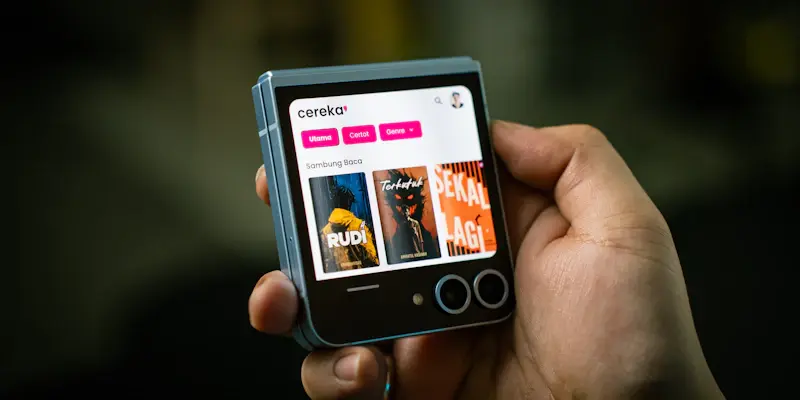
When it comes to groundbreaking innovations in the smartphone industry, manufacturers consistently strive to outdo each other with advancements that push the boundaries of technology. New reports signal that Xiaomi is set to make significant strides with the upcoming release of its Mix Flip 2, a highly anticipated smartphone expected to be a game-changer in 2025. This foldable device has already received certification in China and is attracting attention for its rumored superior specifications, including faster charging capabilities and a larger battery.
Enhanced Charging Capabilities
According to reliable leaker Digital Chat Station, Xiaomi’s Mix Flip 2 is expected to feature 90W wired charging, a substantial upgrade from the original Mix Flip’s 67W standard. This leap in charging speed is poised to provide users with an even more efficient experience, addressing one of the common pain points among smartphone users—charging downtime. Comparatively, the Mix Flip 2’s main competitor, the Samsung Galaxy Z Flip7, is expected to continue with its modest 25W charging speed. The enhanced charging feature offers a distinct advantage, especially for users seeking faster turnaround times for their device’s power needs.
Aside from the improved charging speed, the Mix Flip 2 is also projected to include a larger battery, which will further elevate the device’s usability and appeal. A bigger battery will ensure that users can enjoy extended usage periods before needing to recharge, an essential feature for today’s on-the-go lifestyle. As foldable smartphones become a more prevalent and desirable option, the ability to quickly recharge and maintain extended battery life becomes ever more crucial, making these enhancements particularly noteworthy.
Competitive Edge in the Smartphone Market
The Mix Flip 2 doesn’t just stop at charging innovations; it also aims to impress with advancements in design and usability. The device is expected to boast larger screens, offering users an immersive viewing experience that is both practical and aesthetically pleasing. Additionally, rumors suggest the Mix Flip 2 will feature a thinner form factor, making it more comfortable to hold and easier to carry. This sleek design, coupled with enhanced functionality, positions the Mix Flip 2 as a formidable contender in the market for foldable smartphones.
These technological feats reflect broader industry trends, where manufacturers are continuously pushing the envelope regarding charging speed and battery life. With smartphones becoming an integral part of daily life, delivering improved performance and convenience is essential for staying competitive. By integrating such cutting-edge features, Xiaomi is likely to attract a broader consumer base, from tech enthusiasts to everyday users, thereby reinforcing its foothold in the market.
Prospects and Industry Impact
In the highly competitive smartphone industry, manufacturers are constantly pushing the envelope to introduce pioneering innovations. The latest buzz surrounds Xiaomi, which is set to achieve significant breakthroughs with its forthcoming Mix Flip 2. This eagerly awaited device, speculated to be a game-changer in 2025, has already gained certification in China and is capturing attention for its rumored top-of-the-line features. Among the expected enhancements are faster charging capabilities and a larger battery, making it a standout in the market. The Mix Flip 2 is a foldable smartphone, which adds to its appeal and positions it as a potential leader in the evolving landscape of mobile technology. As brands compete to introduce new advancements, Xiaomi’s anticipated Mix Flip 2 could mark a pivotal moment, setting new standards for innovation and performance in the industry. This focus on superior specifications, combined with the convenience of a foldable design, aligns perfectly with the growing demand for cutting-edge, yet practical, mobile solutions.