

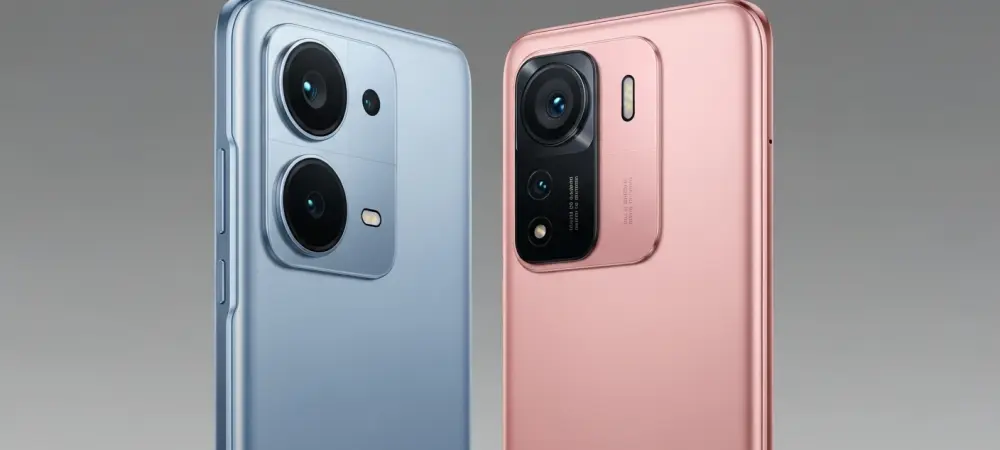
Xiaomi is fundamentally redefining the boundaries of lifestyle smartphones by introducing a sophisticated duo designed to merge high-end aesthetics with professional-grade photography. The new series represents a calculated departure from the previous Snapdragon-based architecture seen in the Xiaomi Civi 5 Pro, signaling a significant technological leap toward MediaTek’s most advanced silicon. By positioning these devices in the mid-to-high-end market, the manufacturer is challenging the notion that slim, fashion-forward phones must compromise on internal power or optical capabilities.
Evolution of the Xiaomi Civi Series and Key Market Players
This latest iteration marks a pivot for the Civi lineup, which has historically balanced thin profiles with selfie-centric features. As Xiaomi collaborates more closely with MediaTek, the brand is successfully transitioning into a performance powerhouse that rivals traditional flagships. This shift reflects a broader industry trend where the distinction between lifestyle gadgets and heavy-duty performance tools is rapidly blurring. By moving away from the Qualcomm Snapdragon 8s Gen 4 processor found in the Civi 5 Pro, the company is betting on the specialized efficiency of the Dimensity ecosystem. This strategic move allows for better thermal management within the series’ signature slim chassis. These devices are no longer just accessories; they are high-performance instruments tailored for a generation that demands both visual elegance and rapid multitasking.
Core Hardware and Technical Comparison
Processing Power and Chipset Performance
The performance gap between the two models is defined by their specific MediaTek heartbeats. The standard Xiaomi Civi 6 utilizes the Dimensity 8500, a chipset optimized for consistent efficiency and smooth day-to-day operations. In contrast, the Xiaomi Civi 6 Pro steps into the premium tier with the Dimensity 9500, which offers significantly higher clock speeds and superior AI processing for demanding tasks like 4K video editing and high-frame-rate gaming.
Choosing the Pro variant provides a tangible boost in overhead for users who keep dozens of applications open simultaneously. While the base model handles standard social media and productivity apps with ease, the 9500 chipset ensures that the Pro remains snappy and responsive even under heavy sustained workloads. This differentiation allows the brand to capture both the value-conscious consumer and the power-hungry enthusiast.
Display Dimensions and Visual Quality
Visual immersion is another area where the siblings diverge, catering to different ergonomic preferences. The base model features a 6.59-inch 1.5K display that strikes a perfect balance between one-handed usability and screen real estate. However, the Pro model expands the canvas to a massive 6.83-inch 1.5K panel, making it the preferred choice for those who consume high-definition cinema or engage in mobile illustration.
Despite the size difference, both screens maintain exceptional clarity and color accuracy. The 1.5K resolution across the board ensures that pixels remain indistinguishable to the human eye, providing a crisp experience whether reading text or viewing vibrant photos. The choice here ultimately depends on whether a user prioritizes the compact portability of the 6.59-inch frame or the expansive media experience of the 6.83-inch version.
Optical Innovations and Periscope Telephoto Capabilities
The most impressive shared feature is the introduction of a 50-megapixel periscope telephoto lens equipped with 5x optical zoom. Previously, such advanced hardware was reserved for bulky, ultra-premium flagships, but Xiaomi has managed to integrate this technology into a sleek, lifestyle-oriented body. This allows users to capture distant subjects with incredible detail without the digital noise associated with traditional crops.
Compared to the camera setup on the Civi 5 Pro, this new optical system provides a much more versatile shooting experience. The inclusion of the periscope lens across both the standard and Pro versions means that buyers do not have to pay the Pro premium just to get the best zoom capabilities. This democratic approach to hardware highlights the manufacturer’s commitment to prioritizing photography across the entire Civi 6 range.
Practical Challenges and Implementation Hurdles
Despite the impressive specifications, potential buyers must navigate a few practical obstacles. The Civi series remains largely exclusive to the Chinese domestic market, which complicates procurement for international enthusiasts who may have to rely on third-party importers. Furthermore, starting prices are expected to exceed CNY 3,000 (roughly $415), placing the series in direct competition with several established flagship models.
Technical engineering also posed a significant hurdle, as fitting a 50-megapixel periscope lens into a slim chassis is a complex feat of miniaturization. Balancing a high-capacity battery—similar to the 6,000mAh unit seen in the previous generation—with these large camera sensors requires meticulous internal organization. This tight integration can sometimes lead to challenges in repairability or heat dissipation during extended photography sessions.
Summary of Specifications and Consumer Guidance
The distinction between the Xiaomi Civi 6 and the Civi 6 Pro came down to the desired scale of the user experience and the level of processing intensity required. The base model offered a more compact and cost-effective entry point for those valuing ergonomics, while the Pro model catered to users demanding maximum screen real estate and the top-tier Dimensity 9500 performance. Both units successfully moved the series forward by standardizing professional-grade zoom optics.
As mobile technology continues to advance, the focus will likely shift toward further refining the balance between ultra-thin designs and the physical requirements of high-end sensors. Future iterations may explore global availability to capitalize on the growing demand for stylish, high-performance photography tools. This evolution established a new benchmark for how mid-to-high-end devices can compete with the best in the industry.