

The line between standard and “Pro” smartphone models has often been defined by incremental upgrades, but emerging details surrounding the upcoming Xiaomi 18 series suggest a significant strategic pivot that could redefine consumer expectations for a base-model flagship. Recent leaks from a well-regarded industry source indicate that while the standard Xiaomi 18 may not house the most powerful processor available in the lineup, it is slated to receive a groundbreaking enhancement in its camera system that could make it one of the most compelling photography devices in its class. This approach signals a calculated decision to prioritize cutting-edge imaging technology over raw processing power for the entry-level flagship, potentially creating a device with a unique value proposition. This move challenges the long-held belief that a flagship’s worth is primarily measured by its chipset, instead proposing that a specialized, high-performance feature can be an equally powerful draw for a large segment of the market. The anticipated September launch now carries heightened intrigue as this strategy comes into focus.
A Strategic Shift in Processing Power
Diving into the specifics of the hardware, the rumored processor differentiation within the Xiaomi 18 family appears to be a deliberate move to create clearer tiers of performance and functionality. According to the reports, the standard Xiaomi 18 will be equipped with the next-generation Snapdragon 8 Elite Gen 6 processor. While this is undoubtedly a high-end chip, the more powerful “Pro” variant, the Snapdragon 8 Elite Gen 6 Pro, is reportedly being reserved exclusively for the premium Xiaomi 18 Pro, Pro Max, and Ultra models. This segmentation strategy serves multiple purposes. It establishes a distinct performance ceiling for the top-tier devices, justifying their higher price point for power users, mobile gamers, and professionals who demand the absolute peak of processing capability. Simultaneously, it allows for more competitive pricing on the standard model, making the flagship experience accessible to a broader audience. This decision reflects a mature market understanding that not every consumer prioritizes benchmark scores over other critical features, such as camera quality, battery life, or overall user experience.
Beyond the Chipset a Focus on Imaging
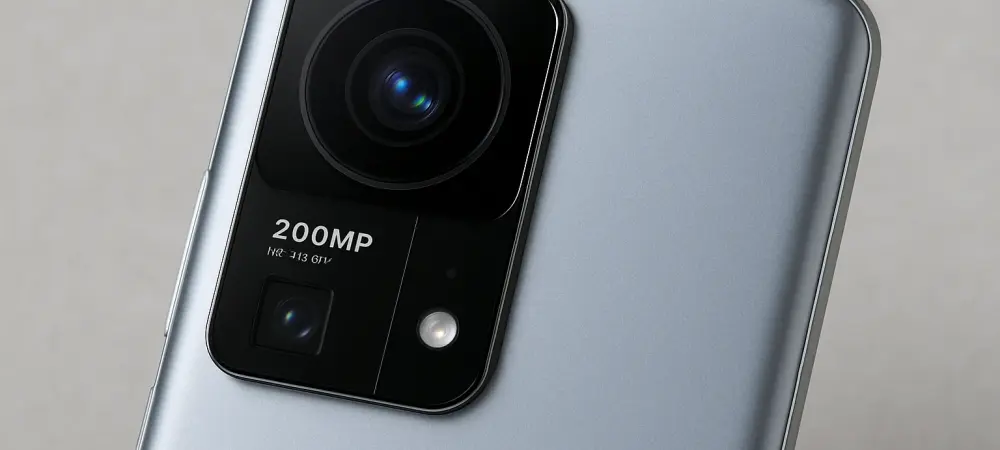
To compensate for the processor hierarchy, Xiaomi is apparently funneling its most significant upgrades for the standard model into the camera department, an area with immense consumer appeal. The standout feature detailed in the leak is the inclusion of a formidable 200 MP periscope telephoto camera, a component that is planned for the entire Xiaomi 18 lineup, including the base version. This represents a monumental leap from the 50 MP telephoto camera found on its predecessor, the Xiaomi 17, and promises to deliver unparalleled zoom clarity and detail. To accommodate such advanced hardware, the device’s footprint is expected to grow slightly, with the display increasing from 6.3 inches to 6.4 inches. This larger chassis would not only house the sophisticated camera module but could also facilitate other crucial improvements, such as a larger battery and a more robust cooling system. This strategic trade-off painted a clear picture of a device engineered not for the spec-obsessed enthusiast, but for the avid photographer who desires flagship imaging power without the associated cost of a top-tier processor.