

Dominic Jainy brings a wealth of technical insight into the rapidly evolving landscape of mobile hardware and power management. With a background that bridges the gap between high-level computing and consumer electronics, he is perfectly positioned to dissect the latest advancements in energy density and imaging technology. In this discussion, we explore the strategic shifts behind the new Xiaomi 17T, focusing on how its massive silicon-carbon battery and refined display architecture represent a turning point for premium smartphones. We delve into the implications of shrinking screen sizes for better ergonomics, the necessity of advanced cooling systems like the 3D IceLoop, and the significance of long-term software support in today’s market.
Modern mobile devices are shifting toward high-capacity silicon-carbon batteries, such as the 6,500 mAh unit found in the Xiaomi 17T. How does this specific chemistry change the way we think about the balance between phone thickness and endurance?
The move to silicon-carbon chemistry is a massive leap forward because it allows for much higher energy density than traditional lithium-ion packs. We are seeing a substantial increase in capacity, with the 17T jumping to 6,500 mAh from the 5,500 mAh found in the previous 15T, without making the device feel like a brick. This technology allows manufacturers to pack more “juice” into a smaller physical footprint, giving users significantly more screen-on time for demanding tasks. It is impressive that they managed this while still supporting 67 W wired charging and even 22.5 W reverse wired charging for accessories. This shift effectively ends the era where you had to choose between a slim design and a battery that could actually last through two days of heavy use.
We often see manufacturers pushing for larger screens every year, yet this new model actually features a smaller 6.59-inch display compared to the 6.83-inch panel of its predecessor. What do you believe motivated this decision to downsize?
There is a growing realization in the industry that “bigger” isn’t always “better” when it comes to daily usability and pocketability. By reducing the screen to 6.59 inches, the device becomes much easier to handle with one hand while still offering a high-end visual experience. Despite the smaller size, the quality has actually improved, featuring a resolution of 2756 x 1268 pixels and a staggering peak brightness of 3,500 nits. This ensures that even in direct sunlight, the 120 Hz AMOLED panel remains perfectly legible and vibrant. It feels like a move toward ergonomic refinement, prioritizing the actual feel of the phone in a user’s hand over simply winning a spec war on screen dimensions.
With the MediaTek Dimensity 8500 Ultra at the helm, how crucial is the inclusion of the Xiaomi 3D IceLoop system for maintaining peak performance during intensive tasks?
The Dimensity 8500 Ultra is a powerhouse, but high-end silicon generates significant heat that can lead to thermal throttling if not managed correctly. The 3D IceLoop system is essential here because it acts as a high-efficiency thermal highway, moving heat away from the 12 GB of RAM and the internal storage components. When you are pushing the device with high-frame-rate gaming or 4K video recording, you need a cooling solution that prevents the processor from slowing down to protect itself. This thermal management allows the phone to maintain its performance edge for longer periods, ensuring a smooth experience without the dreaded stuttering that comes with overheating. It’s the difference between a phone that starts fast and one that stays fast throughout a long session.
The camera array has seen a significant shift toward a 5x optical telephoto lens. What does this mean for the average user who wants to capture high-quality photos at a distance?
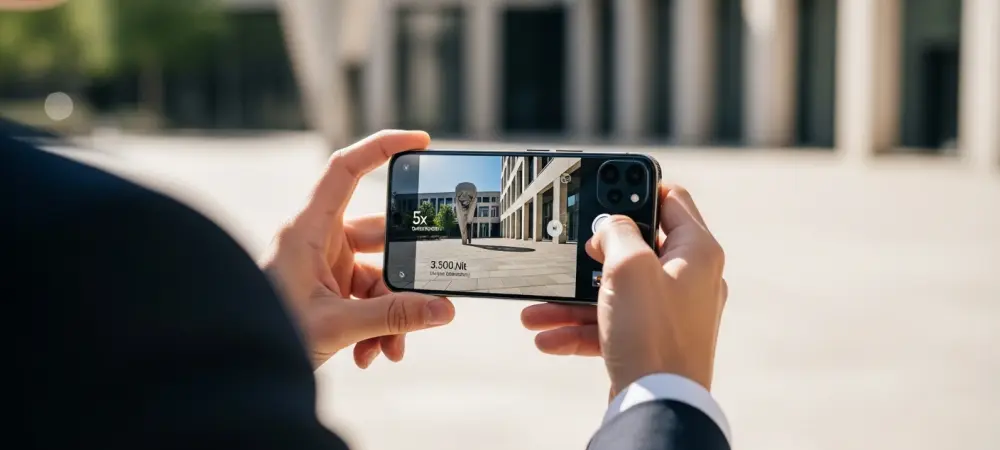
The addition of a 50 MP telephoto lens with 5x optical zoom is a major upgrade for mobile photography enthusiasts who want more than just digital cropping. Combined with the 50 MP OIS-enabled Light Fusion 800 primary sensor, it provides a versatile kit for everything from portraits to distant architecture. Having dedicated optical hardware for that 5x range means you get sharp, detailed images without the grainy noise typically associated with digital magnification. Even the 12 MP ultrawide and the 32 MP front snapper benefit from the improved processing, making this a very well-rounded setup. It really allows a user to be more creative with their framing, knowing that the image quality will hold up even when they aren’t standing right in front of their subject.
What is your forecast for the longevity of premium smartphones given that Xiaomi is now promising security patches until the year 2032?
This commitment to six years of security updates and four major Android version upgrades, covering Android 17 through 20, signals a major shift toward sustainable consumer electronics. By ensuring the 17T remains secure and functional until 2032, the company is directly addressing the “disposable tech” culture and increasing the long-term value of the €749.99 starting price. We are entering an era where the hardware, such as the IP68-rated body and the high-density battery, is finally durable enough to match these long-term software promises. I expect other manufacturers will be forced to follow suit, as consumers will increasingly view a five or six-year lifespan as a standard expectation rather than a luxury feature. It transforms the smartphone from a two-year gadget into a long-term investment that retains its utility and resale value far longer than before.