

Setting the Stage for Smartphone Innovation
In an era where smartphone technology evolves at a breakneck pace, the premium segment remains a battleground for brands vying to outdo each other with groundbreaking features. Xiaomi, a name once associated with budget-friendly devices, has steadily climbed the ranks to challenge giants like Apple and Samsung. The latest contender, a flagship model in the Xiaomi 17 series, promises to redefine expectations with cutting-edge specs and innovative design. This review delves into the anticipated capabilities of this device, exploring whether it can truly stand as a leader in the competitive high-end market.
The premium smartphone landscape is more crowded than ever, with consumers demanding not just performance but also unique features that justify steep price tags. Xiaomi’s approach has been to blend affordability with top-tier technology, a strategy that has garnered a loyal following. With this new release, the brand aims to cement its reputation for pushing boundaries, offering a glimpse into the future of mobile innovation. This analysis focuses on the rumored specifications and potential impact of this much-anticipated device.
Unpacking the Certification and Launch Signals
Recent certifications on China’s Compulsory Certification (3C) website have sparked excitement, with model numbers 2512BPNDAC and 25128PNA1C linked to the upcoming flagship. These listings are often a reliable indicator of an imminent release, suggesting that the device could hit the market in the near future. Following the rollout pattern of previous models, a debut early in the year seems likely, potentially aligning with major tech events for maximum visibility.
The significance of these certifications goes beyond mere confirmation of existence. They hint at distinct variants, with speculation pointing toward one model featuring advanced communication capabilities like dual satellite support. This development underscores Xiaomi’s intent to cater to niche yet growing demands, positioning the device as a versatile option for diverse user needs. Such strategic planning in certifications often reflects a brand’s readiness to launch across multiple regions.
Diving into Key Features and Performance
Unmatched Charging and Battery Potential
One of the standout aspects revealed through certifications is the support for 100W fast wired charging, facilitated by the MDY-18-EW adapter. This marks a notable leap from the 90W charging seen in earlier models, ensuring quicker power-ups for users on the go. Such an upgrade addresses a common pain point in premium devices—balancing high performance with battery efficiency.
Rumors also suggest a massive battery capacity ranging between 7,000mAh and 7,500mAh, paired with 50W wireless charging. If confirmed, this combination could set a new standard for endurance in flagship smartphones, catering to power users who rely on their devices for extended periods. The focus on charging speed and capacity reflects a broader trend in the industry toward minimizing downtime.
Peak Performance with Cutting-Edge Chipset
At the heart of this device lies the anticipated Snapdragon 8 Elite Gen 5 chipset, a powerhouse expected to drive unparalleled speed and efficiency. This aligns with the performance benchmarks set by other models in the Xiaomi 17 lineup, ensuring consistency across the series. The chipset’s architecture is rumored to enhance multitasking and energy management, crucial for modern smartphone demands.
For gamers and heavy users, this processor promises a seamless experience, whether running resource-intensive applications or rendering high-definition graphics. The integration of such advanced silicon highlights Xiaomi’s commitment to staying ahead in the performance race. It positions the device as a go-to option for tech enthusiasts seeking top-tier hardware without compromise.
Photography Redefined with Advanced Camera Setup
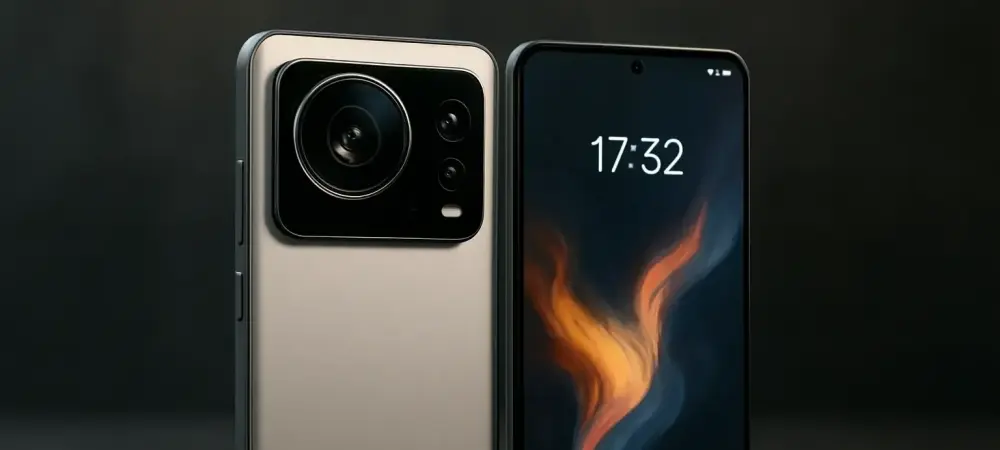
The camera system is poised to be a major highlight, with leaks pointing to a Leica-backed quad-camera configuration. Speculation includes a staggering 200-megapixel periscope sensor alongside three 50-megapixel sensors, a setup that could revolutionize mobile photography. This combination aims to deliver exceptional detail and versatility across various shooting conditions.
Beyond raw megapixels, the partnership with Leica suggests a focus on color accuracy and optical excellence, appealing to both casual photographers and professionals. If these rumors hold true, the device could rival dedicated cameras in certain scenarios, pushing the boundaries of what smartphones can achieve. Such advancements underscore a growing emphasis on imaging as a key differentiator in premium devices.
Superior Visuals with Premium Display Tech
Visual experience is another area where this flagship is expected to shine, featuring a rumored 6.8-inch LTPO panel with 2K resolution. The adaptive refresh rate, speculated to range from 1Hz to 120Hz, offers a balance between fluidity and power efficiency. This technology ensures smooth scrolling and animations while conserving battery during static content display.
For media consumption, gaming, and productivity, such a display could provide an immersive and responsive interface. The focus on high-resolution visuals paired with dynamic refresh rates caters to users who prioritize screen quality in their purchasing decisions. It reflects an industry-wide shift toward enhancing user interaction through superior display hardware.
Design Innovation with Durable Materials
Aesthetic and structural innovation appears to be a priority, with whispers of a 3D-printed titanium alloy middle frame. This material choice not only enhances durability but also lends a premium feel, distinguishing the device in a sea of glass-and-metal designs. It signals Xiaomi’s intent to merge style with resilience, appealing to consumers who value both form and function.
The use of advanced manufacturing techniques like 3D printing could also hint at future design trends, where customization and strength take center stage. Such a build is likely to withstand daily wear and tear better than traditional materials, addressing concerns about longevity in high-end smartphones. This focus on design innovation elevates the overall user perception of quality.
Trends Shaping Xiaomi’s High-End Strategy
Xiaomi’s trajectory in the flagship segment reveals a clear push toward integrating high-end features that rival established competitors. From faster charging solutions to satellite communication in select variants, the brand is addressing emerging needs while maintaining a competitive edge. This approach mirrors a broader industry trend of blending utility with luxury in premium devices.
The emphasis on superior camera systems and cutting-edge chipsets further positions Xiaomi as a formidable player in the high-stakes smartphone arena. By catering to niche markets with features like satellite connectivity, the company is tapping into future-focused technologies that could become mainstream in the coming years. This strategic direction showcases an ambition to not just compete but lead in innovation.
Market Reach and Potential Challenges
This flagship is expected to resonate with tech enthusiasts, professional photographers, and business users who require robust performance and advanced communication tools. Its appeal is likely to span key markets such as China, India, and beyond, following the staggered rollout strategy seen in past releases. A strong global presence could solidify Xiaomi’s standing among premium brands.
However, challenges loom on the horizon, particularly around pricing. With predecessors carrying a steep price tag—around Rs. 1,09,999 in India for comparable configurations—affordability remains a concern in price-sensitive regions. Additionally, supply chain disruptions or production delays could impact availability, a recurring issue in the tech industry.
Consumer apprehensions about long-term battery health with such high-capacity cells also warrant attention. While the specs sound promising, real-world performance and durability over extended use will be critical to winning trust. These hurdles highlight the delicate balance between innovation and practical execution in the premium segment.
Reflecting on the Verdict and Next Steps
Looking back, the Xiaomi 17 Ultra emerged as a compelling contender with its blend of powerful 100W charging, a potentially game-changing camera system, and a premium display. The integration of the Snapdragon 8 Elite Gen 5 chipset and innovative design elements like the titanium alloy frame added to its allure. Despite potential pricing and supply challenges, the device showcased Xiaomi’s ambition to dominate the high-end market.
Moving forward, stakeholders should monitor real-world testing to validate battery longevity and camera performance under diverse conditions. For consumers, waiting for detailed hands-on reviews before committing to a purchase would be prudent, especially given the speculated price point. Xiaomi, on the other hand, could focus on transparent communication about production timelines to manage expectations and build anticipation effectively.