

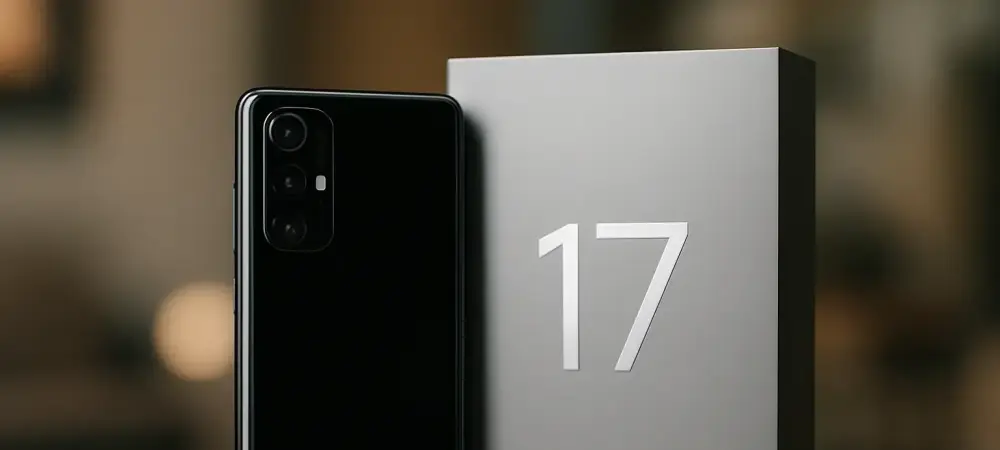
The Anticipation Builds: Decoding the Murky Timeline for Xiaomi’s Next Flagships
The recent appearance of Xiaomi’s next-generation flagships on a key Indian certification website has ignited a familiar wave of excitement, but the path to their official launch is proving to be far more convoluted than initially anticipated. While the Bureau of Indian Standards (BIS) approval for the Xiaomi 17 and 17 Ultra typically signals an imminent arrival, a growing cloud of uncertainty and conflicting reports now challenges the initial expectations for an early release. This has left tech enthusiasts and prospective buyers navigating a maze of speculation.
This analysis brings together the scattered pieces of the puzzle, from official certifications to fluctuating tipster claims, to provide a comprehensive overview of the situation. It aims to decode the speculative launch dates, examine the potential gap between the global and local release schedules, and offer a preview of what these highly anticipated devices will bring to the table when they finally land in the Indian market.
Unpacking the Evidence: From Certification to Contradiction
The Tipster’s Tale: Navigating the Shift from a January to a March Forecast
The initial wave of optimism was largely fueled by a report from tipster Abhishek Yadav, who, following the phones’ BIS approval, suggested an Indian launch in either January or February. This timeline aligned with the industry’s expectations, placing the devices in direct competition with other early-year flagships. However, the narrative has since shifted. A subsequent update from the same source introduced a note of caution, pointing to a potential delay that could push the launch back to March. Crucially, this revised forecast was accompanied by an admission of low confidence, highlighting the fluid nature of pre-release information. This wavering timeline complicates the picture for consumers, illustrating the inherent unreliability of leaks in a fiercely competitive market where launch strategies can change rapidly.
A Widening Chasm: The Two-Month Wait Following the Global Debut
Adding another layer to the timeline is an official confirmation from a Xiaomi executive that the Xiaomi 17 Ultra will indeed launch in select global markets in January. This statement solidifies the international release window but creates a potential disparity for Indian customers. If the rumored March timeline for India holds true, buyers in the country could face a significant two-month wait after the device becomes available elsewhere.
Such a delay could have tangible consequences for brand perception and consumer behavior. In a market as dynamic and tech-savvy as India’s, a prolonged wait can dampen enthusiasm and push impatient buyers toward competitors’ offerings. The gap between global and local availability remains a critical factor that could influence the series’ initial success.
What’s at Stake: A Look at the Snapdragon 8 Elite Gen 5 Powerhouses
To understand the anticipation, one only needs to look at the specifications revealed during the series’ debut in China. The Xiaomi 17 Ultra, which launched on December 25, is a powerhouse featuring a 6.9-inch 1.5K LTPO AMOLED display. Its pricing starts at CNY 6,999 (approximately Rs. 90,000), signaling its premium positioning.
The standard Xiaomi 17, which was unveiled earlier in September, offers a more compact 6.3-inch 1.5K OLED display with a starting price of CNY 4,499 (around Rs. 56,000). The true centerpiece for both models is the cutting-edge performance promised by the octa-core 3nm Snapdragon 8 Elite Gen 5 chipset, which is expected to set a new benchmark for mobile processing power.
Beyond the Main Event: The Staggered Rollout and Xiaomi’s Official Silence
The launch strategy appears to extend beyond just two models. Reports suggest a Xiaomi 17T is also in the pipeline, expected to debut one month after the primary models, potentially in April. This indicates a phased rollout designed to capture different market segments over several weeks. Despite the flood of certifications and detailed leaks, Xiaomi India has maintained complete silence, offering no official announcement or confirmation regarding its launch plans. This lack of communication creates an information vacuum that is quickly filled by speculation and unverified reports. The company may be holding back to finalize its strategy or build suspense, but for now, it leaves the market to guess.
For the Eager Buyer: A Practical Guide to Navigating the Rumors
The most critical takeaway from the current flurry of information is that while the BIS certification confirms the devices are coming, the exact launch date remains a moving target. Predictions continue to oscillate within the first quarter, with March now emerging as the most talked-about, albeit uncertain, possibility.
Given this ambiguity, prospective buyers are advised to temper their expectations and await official communication from Xiaomi. Planning a purchase based on the current speculative timelines could lead to disappointment. The best approach is to treat all unofficial dates as tentative until the company itself provides a concrete schedule.
Ultimately, consumers must weigh the impressive leaked specifications against the potential for a delayed launch. The Xiaomi 17 series promises top-tier performance, but the significant wait, especially compared to its global release, may be a deciding factor for some.
The Final Verdict: A Strategic Pause or Simply Market Noise?
In summary, an Indian launch for the Xiaomi 17 series is a certainty, but its timeline remains highly speculative. While initial reports pointed to an early start, a March release is now the most recent, though unconfirmed, forecast. This situation underscores the gap that often exists between regulatory approval and the final market rollout.
The timing of this flagship launch is strategically vital for Xiaomi as it jockeys for position against its rivals in the crucial Indian market. How the company navigates this pre-launch period could significantly influence its competitive footing for the rest of the year. The lingering question is whether this potential delay reflects a deliberate and calculated market strategy or is merely the byproduct of a volatile and often unpredictable rumor mill.