

The boundary between professional computing and mobile portability has effectively vanished with the arrival of the Xiaomi 17 Max, a device that redefines the ultra-premium flagship category through raw hardware dominance. While previous iterations focused on incremental refinements, this new variant serves as an aggressive statement of intent in a market increasingly crowded by “Ultra” models. It is not merely a larger phone; it is a specialized tool designed to address the specific performance bottlenecks that have historically limited mobile productivity and high-end media creation.
Introduction to the Xiaomi 17 Max and Its Market Positioning
The Xiaomi 17 Max enters the ecosystem as the definitive peak of the 17 series, pushing past the standard and Pro models to occupy a niche previously reserved for dedicated tablets or laptops. By positioning this device as a “Max” tier entry, Xiaomi targets a demographic that refuses to compromise on screen real estate or battery endurance. This strategic move creates a clear distinction between casual flagship users and power professionals who require a mobile workstation.
In the broader technological landscape, the device acts as a direct challenge to established global leaders. It transitions Xiaomi from a brand known for value-driven performance to one that dictates the technological curve. This shift is critical as consumer expectations move toward devices that can handle heavy generative AI tasks and sustained workloads without thermal throttling.
Core Hardware and Technical Components
Next-Generation Processing Power: Snapdragon 8 Elite Gen 5
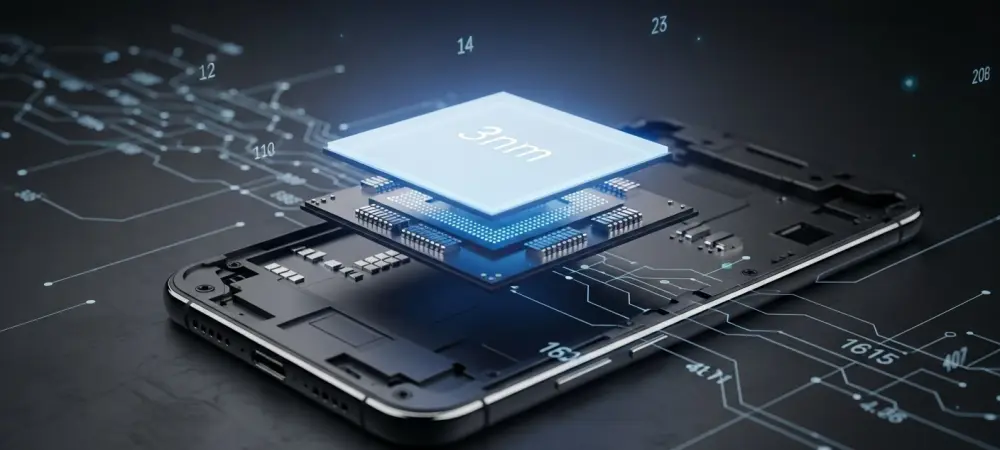
At the heart of this machine lies the Snapdragon 8 Elite Gen 5, a 3nm octa-core chipset that represents the current pinnacle of mobile architecture. This silicon is not just about speed; it is about the intelligent distribution of tasks across efficiency and performance cores to maximize output per watt. For the user, this means that even during intensive 8K video rendering or complex data processing, the device maintains a fluid interface without the stuttering common in lesser hardware.
The transition to a 3nm process is vital because it allows for a higher transistor density within the same physical footprint. Consequently, the Xiaomi 17 Max can sustain peak performance levels for significantly longer durations than its predecessors, making it a reliable companion for marathon gaming sessions or extended creative workflows.
The 6.9-Inch OLED Visual Interface
The visual experience is centered on a massive 6.9-inch OLED panel that prioritizes color accuracy and motion clarity. With a 120Hz adaptive refresh rate, the display dynamically adjusts to the content, providing silky-smooth scrolling while conserving energy during static tasks. The sheer size of the screen transforms the smartphone from a communication device into a legitimate canvas for digital artists and a portable theater for cinephiles.
Beyond mere dimensions, the engineering behind this panel focuses on peak brightness and HDR performance. This ensures that the screen remains perfectly legible under direct sunlight, a common failure point for many high-end devices. The integration of advanced eye-protection technology further emphasizes its role as a primary device for users who spend several hours a day interacting with digital interfaces.
Industry-Leading Battery Capacity and Rapid Charging
To support such demanding hardware, Xiaomi integrated a staggering 8,000mAh battery, a capacity that dwarfs most contemporary competitors. This massive reservoir is essential for driving the high-resolution display and the power-hungry 3nm chipset throughout a full day of heavy use. It effectively eliminates “battery anxiety,” allowing users to utilize the phone’s maximum capabilities without constantly monitoring the percentage bar.
Recharging this substantial cell is handled by 100W wired and 50W wireless fast-charging systems. While a battery of this size would typically take hours to fill, these high-wattage solutions allow for a rapid recovery of power during short intervals. This technical synergy between capacity and speed ensures that the device remains mobile, rather than being tethered to a wall outlet for extended periods.
Professional-Grade Leica-Tuned Camera Array
The photographic capabilities are anchored by a 200-megapixel Samsung ISOCELL HPE primary sensor, developed in collaboration with Leica. This sensor utilizes sophisticated pixel-binning technology to capture immense detail in well-lit conditions and improve light sensitivity during night photography. The result is a level of textural depth and color fidelity that begins to rival dedicated mirrorless cameras in specific scenarios.
Complementing the main sensor are 50-megapixel periscope telephoto and ultrawide lenses, providing a versatile range for any shooting environment. The periscope lens, in particular, offers hardware-level optical zoom that maintains sharpness where digital zoom usually fails. This array allows professional content creators to capture high-fidelity assets directly on their mobile device, streamlining the transition from capture to edit.
Emerging Trends and Innovations in Flagship Smartphones
The industry is currently witnessing a pivot toward higher-density silicon-carbon batteries and more robust thermal management systems. The Xiaomi 17 Max exemplifies this trend by fitting an 8,000mAh unit into a frame that remains ergonomically viable. This shift suggests that the era of sacrificing battery life for slimness is ending, as users increasingly prioritize “two-day” endurance in their flagship purchases.
Moreover, the integration of larger sensors like the ISOCELL HPE signals a move toward computational photography that relies more on physical optics than software tricks. As manufacturers find ways to dissipate heat from 3nm chips more effectively, we are seeing smartphones capable of sustained 4K and 8K recording without the thermal shutdowns that plagued earlier generations.
Real-World Applications and Use Cases
For the professional content creator, the Xiaomi 17 Max serves as an all-in-one production studio. The combination of the Leica-tuned optics and the Snapdragon 8 Elite Gen 5 allows for on-device video editing that was previously impossible. Users can capture high-bitrate footage and immediately begin color grading and cutting within professional-grade mobile applications, significantly reducing the turnaround time for social media or commercial projects.
In the realm of high-fidelity mobile gaming, the device provides a console-like experience. The massive OLED screen and the thermal efficiency of the hardware allow for stable frame rates in graphically intensive titles. This makes it a primary choice for competitive gamers who require low-latency touch response and a large field of view to maintain an advantage over opponents using standard-sized smartphones.
Technical Hurdles and Market Challenges
Despite its impressive specifications, the Xiaomi 17 Max faces the physical reality of its own ambition. Managing the thermal output of a 3nm chip while fast-charging an 8,000mAh battery requires a complex vapor chamber system, which contributes to the device’s overall weight. Some users may find the heft and the nearly seven-inch footprint cumbersome for one-handed operation, presenting a trade-off between power and portability.
From a market perspective, the high entry price point positions the device in a territory where brand loyalty is fierce. Convincing long-time users of competing ecosystems to switch requires not just superior hardware, but a seamless software experience and robust regional support. Additionally, limited launch windows in certain territories could allow competitors to release newer iterations before the Max reaches a global audience.
Future Outlook for Xiaomi’s High-End Lineup
Looking forward, the success of the Max series likely paves the way for the adoption of solid-state battery technology, which would allow for even greater capacities without increasing the physical size of the phone. We may also see further integration of AI-driven hardware blocks that specialize in real-time language translation and complex image generation, moving beyond the current software-based implementations. The long-term impact of this device will be measured by how quickly competitors react to these new standards for battery and display size. If the market continues to embrace these “Max” variants, we could see a permanent shift in smartphone design where the standard model becomes the “compact” option, and these oversized powerhouses become the industry baseline for premium performance.
Final Assessment and Summary of the Review
The Xiaomi 17 Max successfully established a new ceiling for what a mobile device can achieve by prioritizing extreme endurance and top-tier optics. Its 8,000mAh battery and Leica-tuned 200-megapixel sensor provided a hardware combination that was previously unavailable in a single package. While the physical size and premium pricing were notable considerations, the performance gains justified the investment for the intended power-user demographic.
The market moved toward an era where the smartphone acted as the primary computing node for most individuals. Future developments will likely focus on refining the ergonomics of these large-format devices and perfecting the software-hardware synergy to make such massive power more intuitive. As the industry evolved, the Xiaomi 17 Max remained a pivotal reference point for the fusion of professional-grade imaging and unyielding battery life.