

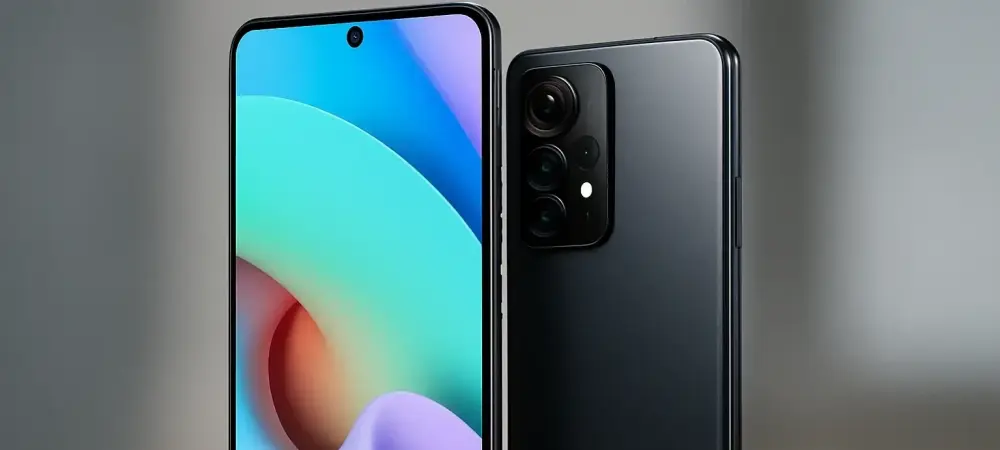
Imagine a smartphone market where cutting-edge technology doesn’t come with a jaw-dropping price tag, where premium features are accessible to a broader audience without compromising on performance. This is the promise of Xiaomi’s T-series, a lineup that has consistently challenged the notion that high-end specs must break the bank. The Xiaomi 15T and 15T Pro, the latest entrants in this sub-flagship category, aim to continue this legacy by blending affordability with innovation. This review dives deep into the anticipated pricing, features, and strategic positioning of these devices, exploring how they fit into Xiaomi’s ambitious plans for the current year and beyond.
Pricing and Storage Breakdown
Xiaomi 15T: Affordable Excellence
The Xiaomi 15T is expected to start at a competitive €649 (approximately $757) for the 256 GB storage variant. This pricing mirrors the strategy seen in previous models, showcasing Xiaomi’s dedication to maintaining affordability while delivering robust performance. For consumers seeking value without sacrificing quality, this price point positions the device as an attractive option in the crowded mid-range market.
This consistency in pricing also reflects a calculated move to retain customer trust. By avoiding significant price hikes, Xiaomi ensures that budget-conscious buyers remain within reach of a device that promises to punch above its weight. The focus on a single storage option at launch suggests a streamlined approach, potentially catering to the most common user needs while keeping costs in check.
Xiaomi 15T Pro: Premium at a Fair Cost
Stepping up to the Pro model, the Xiaomi 15T Pro is slated to start at €799 (about $932) for 256 GB, with a higher-tier 512 GB variant priced at €899 (around $1,049). These figures indicate a slight premium over the base model, justified by expected enhancements in performance and features. However, the absence of a 1 TB option, as confirmed by FCC documentation, might disappoint users with extensive storage demands.
The pricing structure for the Pro variant continues to align with Xiaomi’s philosophy of offering flagship-like capabilities at a fraction of the cost. Speculation around RAM configurations suggests that 12 GB or more could be standard across both models, ensuring smooth multitasking and future-proofing for demanding applications. This balance of price and specs could make the Pro a standout choice for power users on a budget.
Strategic Release Timeline
Xiaomi’s release calendar for the current year is notably packed, with the 15T series anticipated to debut in a September window. This timeline places the launch alongside other significant releases, including updates to the Redmi Note series and flagship Xiaomi models. Such an aggressive schedule underscores the brand’s intent to maintain a dominant presence across various market segments.
Positioning the 15T series within this busy period also highlights Xiaomi’s confidence in its sub-flagship offerings. By scheduling the release amidst other high-profile launches, the company aims to capture attention from diverse consumer groups, from budget buyers to tech enthusiasts. This strategy could amplify the series’ visibility in both global and Chinese markets, where competition remains fierce.
The rapid succession of launches also signals Xiaomi’s adaptability to evolving consumer trends. Rolling out multiple devices within a short span allows the company to address varying needs and preferences, ensuring that no segment of the market is left untapped. The September debut for the 15T and 15T Pro could serve as a pivotal moment in reinforcing Xiaomi’s market momentum.
Role in the Sub-Flagship Segment
The Xiaomi 15T series is poised to play a crucial role in the sub-flagship market, a space where value and performance must coexist seamlessly. By targeting consumers who shy away from flagship price tags but still crave premium experiences, Xiaomi crafts a compelling middle ground. Features typically reserved for higher-end devices are expected to trickle down to these models, enhancing their appeal.
This positioning also allows Xiaomi to cater to a wide array of user needs without alienating cost-sensitive buyers. For instance, stable pricing coupled with anticipated upgrades in display, camera, or processing power could attract both casual users and tech-savvy individuals. This dual focus ensures the series remains relevant across different demographics, from students to professionals.
When compared to competitors in the same segment, Xiaomi’s approach stands out for its emphasis on consistency. While other brands may fluctuate in pricing or feature offerings, Xiaomi’s commitment to a predictable value proposition could solidify its reputation as a reliable choice. This strategic balance may give the 15T series an edge in a highly contested market space.
Potential Hurdles and Speculations
Despite the excitement surrounding the 15T series, certain challenges loom on the horizon. Consumer skepticism over unconfirmed leaks and the absence of official specifications could temper early enthusiasm. Without concrete details on key aspects like camera capabilities or battery life, potential buyers might hesitate until more information surfaces.
Additionally, the pressure to innovate without raising prices presents a significant hurdle. In a market where rivals continuously push boundaries with new features, Xiaomi must ensure the 15T and 15T Pro offer tangible improvements over their predecessors. Striking this balance will be critical to maintaining consumer interest and justifying the series’ place in a crowded lineup.
To address these concerns, Xiaomi might lean on robust marketing campaigns and strong post-launch support. Highlighting unique selling points through targeted promotions and ensuring prompt software updates could help alleviate doubts. How the company navigates these challenges will likely influence the series’ reception and long-term success.
Prospects for Market Impact
Looking ahead, the Xiaomi 15T series holds the potential to reshape perceptions of the sub-flagship category. If the anticipated pricing and feature enhancements hold true, these devices could elevate Xiaomi’s standing among competitors, reinforcing its image as a brand that delivers exceptional value. This could translate into a stronger foothold in key markets.
Consumer feedback following the launch may also prompt Xiaomi to consider additional variants or updates. Introducing new configurations or addressing storage limitations could further tailor the series to evolving demands. Such responsiveness would demonstrate the company’s commitment to aligning with user expectations over time.
The long-term impact of maintaining pricing stability cannot be understated. By fostering customer loyalty through predictable costs, Xiaomi could cultivate a dedicated user base that prioritizes the brand for future purchases. This consistency might serve as a cornerstone for sustained growth and influence in the smartphone arena.
Final Reflections
Reflecting on the review, the Xiaomi 15T and 15T Pro emerge as promising contenders in the sub-flagship space, with pricing starting at €649 and €799 respectively, and a release that captures attention in September. Their strategic positioning within Xiaomi’s broader lineup showcases a keen understanding of market dynamics. The balance of affordability and anticipated performance sets a high bar for competitors.
Moving forward, Xiaomi should focus on transparency by confirming specifications early to build trust among prospective buyers. Strengthening after-sales support and engaging with user feedback will be vital steps to ensure the series’ longevity. Additionally, exploring options for expanded storage variants could address gaps in the current lineup, catering to a wider audience.
As the smartphone landscape continues to evolve, Xiaomi has an opportunity to leverage the momentum of the 15T series by investing in innovation that resonates with cost-conscious consumers. Keeping an eye on competitor moves and market trends will be essential to refine future iterations. These actions could solidify Xiaomi’s reputation as a leader in delivering value-driven technology solutions.