

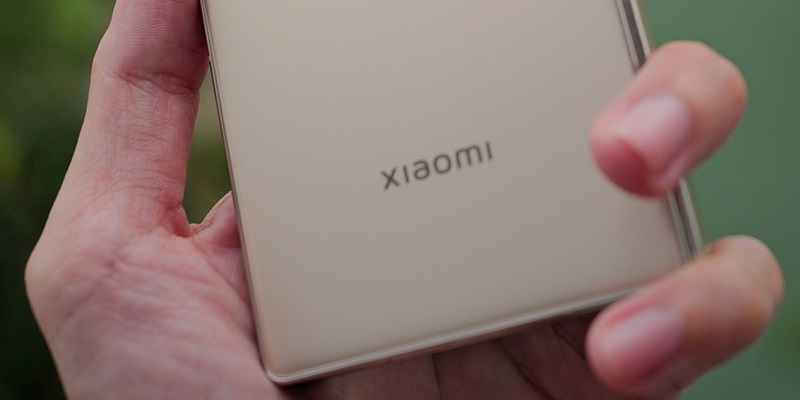
The Xiaomi 15 Ultra is set to make waves in the smartphone market with its advanced features and substantial improvements over its predecessor, the Xiaomi 14 Ultra. Slated for release in six months, this next-generation flagship device from Xiaomi promises to redefine user expectations.
At the forefront of the 15 Ultra’s impressive specifications is its innovative quad-camera setup. This configuration includes a 50 MP 1-inch main camera, a 50 MP ultra-wide angle camera, and two telephoto cameras—a 3x telephoto lens and a 4.x periscope lens built around a 1/1.4-inch ISOCELL HP9 200 MP sensor. These enhancements place the Xiaomi 15 Ultra in a league of its own, particularly in terms of zoom capabilities, with up to 12x lossless zoom performance. Such features are likely to position the Xiaomi 15 Ultra among the top-tier zoom smartphones expected on the market.
Upgraded Camera System
A significant focus of the Xiaomi 15 Ultra is its advanced camera technology. The primary 50 MP 1-inch main camera is designed to capture stunning photos in various lighting conditions, consolidating Xiaomi’s commitment to superior imaging. The inclusion of a 50 MP ultra-wide-angle lens expands the device’s versatility, enabling users to capture expansive landscapes and group shots with impeccable detail.
The standout features, however, are the dual telephoto lenses—one offering a 3x optical zoom and the other a 200 MP ISOCELL HP9 4.x periscope lens. This combination not only enhances the zoom capabilities but also ensures the clarity and accuracy of distant objects, a feature that will appeal significantly to photography enthusiasts and professionals alike. Further enhancing the appeal of the Xiaomi 15 Ultra is its remarkable zoom capability, which offers up to 12x lossless zoom performance. This places the smartphone at the forefront of camera technology in mobile devices.
While there was speculation about a potential 160mm focal length telephoto lens, the final configuration still represents a significant step forward from its predecessor. The advanced ISOCELL HP9 sensor enhances image quality, providing richer details and more dynamic range in all zoom settings. These improvements ensure that the Xiaomi 15 Ultra will set new standards for smartphone photography, reinforcing Xiaomi’s position as a leader in mobile imaging technology.
Enhanced Performance and Battery Life
Complementing its powerful camera system, the Xiaomi 15 Ultra is equipped with a substantial upgrade in internal hardware. The device will house the Snapdragon 8 Gen 4 processor, a cutting-edge chip that is expected to deliver blazing-fast performance and exceptional efficiency. This processor upgrade will enhance the overall user experience, providing smooth multitasking, faster app launches, and improved gaming performance. Coupled with ample RAM and storage options, the Xiaomi 15 Ultra is poised to handle any task with ease, from demanding applications to high-resolution media playback.
In addition to its performance enhancements, the Xiaomi 15 Ultra also boasts a significant upgrade in battery capacity. The 6000 mAh battery marks an improvement from the 5000 mAh unit in the Xiaomi 14 Ultra, promising longer usage time and less frequent charging. Charging capabilities have also seen a boost with wired charging speeds increasing from 90 W to 100 W. Despite no changes in wireless and reverse wireless charging—remaining at 80 W and 10 W respectively—the overall charging experience is enhanced, ensuring users can quickly power up their device and stay connected throughout the day. This focus on battery life and speed underscores Xiaomi’s commitment to delivering practical, user-friendly innovations.
Conclusion
Complementing its robust camera system, the Xiaomi 15 Ultra also features a significant internal hardware upgrade. At its core is the Snapdragon 8 Gen 4 processor, a state-of-the-art chip designed to deliver lightning-fast performance and exceptional efficiency. This upgrade ensures a superior user experience with smoother multitasking, quicker app launches, and enhanced gaming capabilities. With ample RAM and generous storage options, the Xiaomi 15 Ultra is well-equipped to manage any task, from complex applications to high-resolution media playback with ease.
In addition to these performance enhancements, the Xiaomi 15 Ultra sees a notable improvement in battery capacity. The new 6000 mAh battery, an upgrade from the 5000 mAh unit found in the Xiaomi 14 Ultra, promises longer usage times and reduces the need for frequent charging. Charging capabilities have been improved as well, with wired charging speeds increasing from 90 W to 100 W. While wireless and reverse wireless charging remain unchanged at 80 W and 10 W, respectively, the overall charging experience is enhanced. These upgrades highlight Xiaomi’s dedication to offering practical and user-friendly innovations that keep users connected throughout the day.