

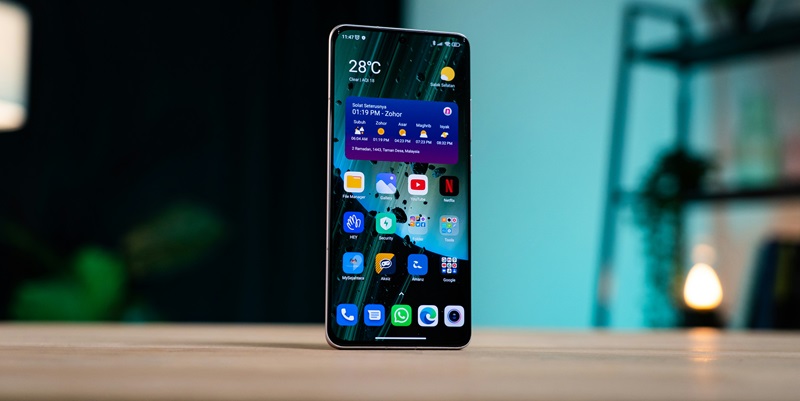
Anticipation is building in the tech community as the countdown begins for the launch of the Xiaomi 15 Ultra, a smartphone that promises to redefine mobile photography with its innovative dual telephoto camera setup. According to sources, this high-end device will introduce a secondary ‘medium’ telephoto camera, which uses the same Sony IMX858 sensor found in its predecessor, the Xiaomi 14 Ultra. This sensor delivers an impressive 50 MP resolution and features a 1/2.51-inch size, making it a reliable option for capturing detailed images. The focal length on this new camera is slightly different at 70 mm with a 3x magnification, compared to the 75 mm and 3.2x magnification seen on the Xiaomi 14 Ultra. This subtle adjustment is indicative of the manufacturer’s ongoing quest to enhance image quality.
Enhanced Telephoto Capabilities
One of the standout features of the Xiaomi 15 Ultra is its advanced telephoto capabilities, differentiated by its dual telephoto configuration. Alongside the primary telephoto camera, the secondary medium telephoto setup aims to cover a broader range of photographic scenarios. With the use of the Sony IMX858 sensor, the secondary camera is equipped to deliver sharper, more detailed images even at moderate distances. The 70 mm equivalent focal length is optimized to provide a 3x optical zoom, a specification that will benefit users who require impeccable clarity without significant distortion. The difference from the previous model’s 75 mm focal length and 3.2x magnification could result in more balanced and versatile shots, reflecting the device’s focus on improving everyday usability and photographic excellence.
International Availability and Market Positioning
While the Xiaomi 15 and 15 Pro models have already launched in China, the international spotlight will remain on the Xiaomi 14 Ultra until mid-2025. This calculated strategy allows Xiaomi to gradually introduce the 15 Ultra, ensuring that consumers around the globe fully appreciate its latest advancements. Major upgrades in the primary and periscope telephoto cameras make the Xiaomi 15 Ultra a significant step up from its predecessor. These improvements reflect Xiaomi’s dedication to utilizing cutting-edge technology to distinguish its products in a crowded market. The focus on camera enhancements underscores their ambition to advance smartphone photography, catering to consumers seeking top-tier performance and innovation.
Overall, the upcoming Xiaomi 15 Ultra is anticipated to offer substantial improvements over the previous model, particularly in telephoto camera capabilities. These specification changes indicate a focus on practical, everyday enhancements rather than radical redesigns. This careful approach could enable the Xiaomi 15 Ultra to secure a unique position in the highly competitive smartphone market, appealing to both tech enthusiasts and casual users.