

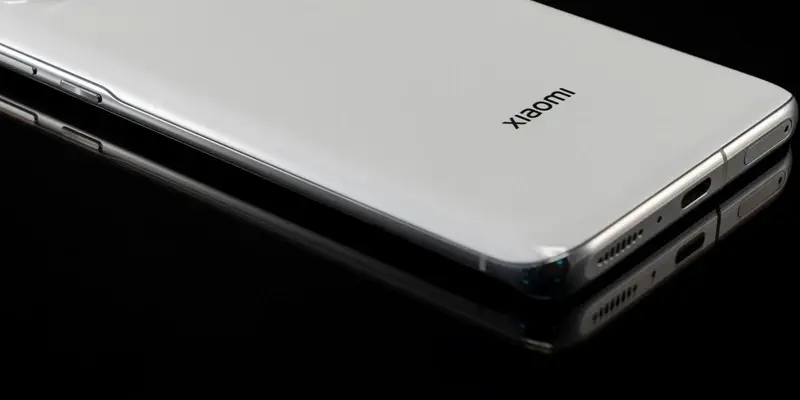
With the highly anticipated release of the Xiaomi 15 Ultra just around the corner, tech enthusiasts and smartphone aficionados eagerly await the new flagship Android device boasting several advanced features and enhancements. Among the many improvements users can expect are significant upgrades in both display technology and photography capabilities. Setting a new standard in user experience, the Xiaomi 15 Ultra features an impressive 6.8-inch 1.5K OLED display, designed to offer stunning visuals and improved eye comfort through 4,320Hz PWM dimming and “circular polarized light” technology. These enhancements are poised to reduce eye strain, making the device more comfortable for extended usage.
The reinforced display is a key component of the Xiaomi 15 Ultra, potentially incorporating the latest generation of Xiaomi’s Dragon Crystal Glass. This innovative material, augmented with silicon nitride, aims to provide better wear and damage resistance, making the smartphone more durable and long-lasting. If these rumors hold true, this could set the Xiaomi 15 Ultra apart from its predecessors and competitors in the market, offering consumers a resilient and robust display that can withstand daily wear and tear more effectively.
In addition to display advancements, the Xiaomi 15 Ultra is set to raise the bar in mobile photography with its rumored new Photography Kit. Building upon the legacy of its predecessor, this kit is expected to include notable features such as an anti-reflective cover, various ND filters, and a fill light to enhance rear camera performance further. These additional tools are designed to help users capture high-quality photographs, ensuring that every shot is vibrant and detailed, even in challenging lighting conditions. This focus on enhanced photography capabilities will likely appeal to photography enthusiasts and casual users alike.
Although it may not be the first super-flagship to debut with the latest Snapdragon 8 Elite processor, the Xiaomi 15 Ultra’s sophisticated advancements in display and photography may provide it with a competitive edge. The cohesive details presented so far offer compelling insights into the anticipated technological advancements and user benefits. This potential game-changer promises to elevate the user experience to new heights, setting a new benchmark for what consumers can expect from flagship smartphones.