

The landscape of enthusiast computing is witnessing a seismic shift as high-performance hardware manufacturers pivot from regional dominance toward a comprehensive global presence on the European stage. At Gamescom 2026 in Cologne, the arrival of XERON represents more than just a brand expansion; it signals a fundamental change in how high-end PC components are marketed to a global audience. By adopting the philosophy of “From Origin, Beyond Boundaries,” the manufacturer is seeking to bridge the gap between traditional engineering excellence and the avant-garde aesthetic demands of the modern PC builder. This strategic entry into the European market is underpinned by a massive exhibition at the Koelnmesse, where the company is showcasing a sophisticated ecosystem of products. These offerings are not merely standalone components but are part of a cohesive vision designed to provide extreme reliability for professional workstations while satisfying the visual hunger of the gaming community.
Strategic Market Positioning and Growth
Establishing Regional Logistics and Distribution
Securing a foothold in Europe requires far more than just displaying prototypes at a trade show, and XERON is demonstrating an understanding of this reality through its massive presence in Hall 03.2. The primary objective during this expansion is the creation of a durable logistics network that can support the high demand for premium hardware across multiple nations. Rather than relying on sporadic shipments from East Asia, the company is prioritizing the establishment of localized distribution centers that can minimize lead times and ensure consistent stock levels for popular items. This infrastructure-first approach is essential for gaining the confidence of European consumers who expect rapid fulfillment and reliable availability. By investing heavily in these regional hubs, the manufacturer is signaling that its presence in the market is permanent. The focus remains on building a foundation that can withstand the logistical complexities of a post-globalization economy, ensuring that their components are always within reach.
Cultivating Sustainable Retail Partnerships
Beyond physical logistics, the success of this expansion hinges on the cultivation of deep-rooted relationships with local retailers and distributors who understand the nuances of the European enthusiast market. Representatives from the company are actively engaging in high-level negotiations with major tech outlets to ensure that their products are featured prominently on digital storefronts and physical shelves. These partnerships are not merely transactional; they are built on a mutual commitment to providing superior customer support and long-term warranties. By integrating itself into the existing retail fabric of Europe, the brand aims to overcome the “outsider” perception that often plagues international manufacturers entering new territories. Establishing these professional bonds allows the company to gain valuable insights into regional consumer preferences, which can then be fed back into the product development cycle for more relevant local solutions that meet specific market needs.
Innovation in Industrial Design and Cooling
Redefining Chassis Aesthetics and Airflow
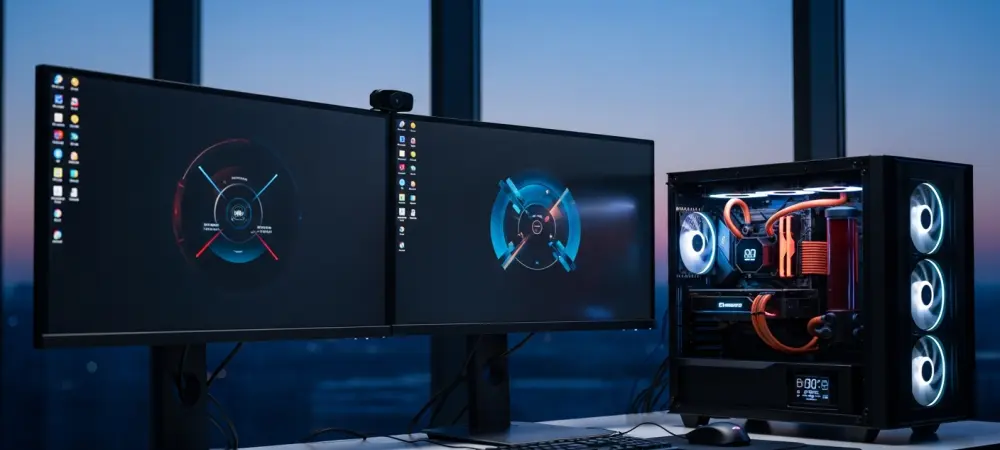
The cornerstone of the current hardware exhibition is the C-LAB chassis series, which challenges the conventional wisdom of PC case design by treating the internal workspace as a curated art gallery. Moving away from the utilitarian “black box” standard that has dominated the industry for decades, this new design language emphasizes transparency, modularity, and structural elegance. Every panel and internal bracket is engineered to highlight the aesthetic quality of the components inside, making the PC a centerpiece of a modern home or office environment. However, this focus on visual appeal does not come at the cost of performance, as the chassis incorporates sophisticated airflow channels that prevent the buildup of stagnant heat. The use of premium materials, such as tempered glass and brushed aluminum, provides a tactile sense of quality that resonates with enthusiasts who view PC building as a form of high-level craftsmanship and personal expression. This fusion of utility and beauty is specifically designed to appeal to the modern user.
Advanced Thermal Engineering and Material Science
Thermal management is further revolutionized by the introduction of the T1000 all-in-one liquid cooler, a device that utilizes a groundbreaking diamond-copper composite cold plate to manage high heat densities. Standard cooling solutions often struggle with the rapid thermal spikes generated by modern multi-core processors, but the inclusion of diamond particles within the copper matrix significantly enhances thermal conductivity. This material science innovation allows heat to be pulled away from the CPU die at a much faster rate than traditional pure copper blocks could ever achieve. Furthermore, the T1000 features a unique dual-loop system that integrates a sealed liquid metal loop with a standard coolant cycle. This hybrid approach allows for the immediate absorption of intense heat bursts, while the secondary loop ensures that the total system temperature remains stable during prolonged heavy workloads. This level of technical sophistication is indicative of a broader industry trend toward high-performance materials.
Comprehensive Power and Component Ecosystem
High-Performance Power Delivery Systems
The expansion into the European market is supported by a comprehensive lineup of power supply units that are built to handle the extreme electrical demands of next-generation workstations and AI servers. At the top of this range sits the MAX P3000G WS, a massive 3,000W industrial-grade unit that provides the rock-solid stability required for multi-GPU setups and complex data processing tasks. These high-end offerings carry the prestigious 80 PLUS Titanium certification, ensuring that energy waste is minimized even under full load conditions. The use of high-quality Japanese capacitors further guarantees that the power delivery remains clean and ripple-free, which is essential for preserving the longevity of sensitive internal components. By offering a range that scales from 550W for mainstream users to these massive workstation units, the company is positioning itself as a primary provider for every tier of the computing market, including high-stakes enterprise environments and local development sectors.
Advancing Technical Standards and Global Support
The strategic unveiling of these hardware innovations established a clear roadmap for how high-performance manufacturers should approach mature international markets during the current cycle. Enterprises and individual builders benefited from this shift toward integrated ecosystems that prioritized both thermal science and industrial aesthetics. Moving forward, the industry must focus on standardizing these advanced cooling materials to ensure that the next generation of processors can operate at their full potential without thermal throttling. It was clear that the successful integration of localized support and high-end engineering provided a blueprint for sustainable growth in the enthusiast space. Consumers were encouraged to evaluate their current cooling and power infrastructures to determine if they are prepared for the increasing power densities of high-level computing tasks. Ultimately, the focus on material science and regional logistics provided the necessary tools for a new era of global hardware competition.