

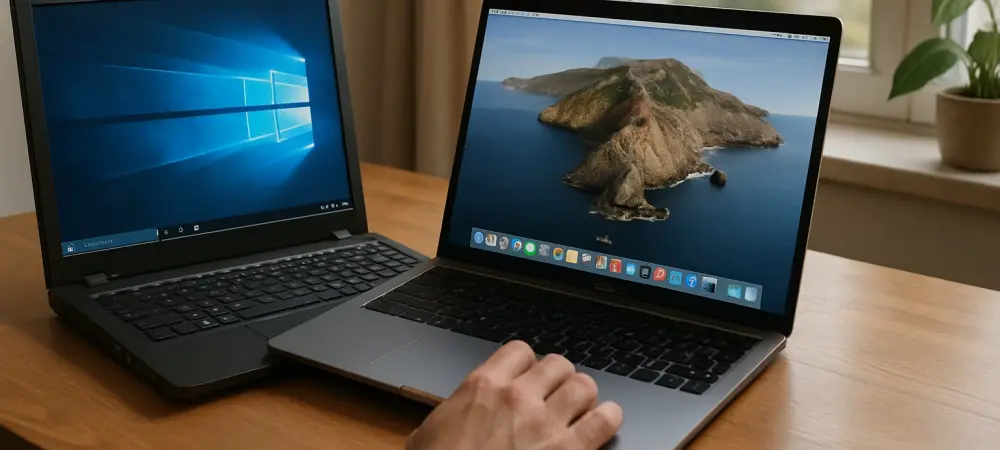
Setting the Stage for a Computing Shift
In an era where technology preferences shape both personal and professional landscapes, a staggering trend has emerged: a significant number of users and enterprises are migrating from Microsoft Windows to Apple’s Mac platform. This shift, driven by frustrations over costly and complex upgrades to Windows 11, has positioned Apple as a formidable contender in a market long dominated by Windows. With Mac sales soaring and user satisfaction reaching unprecedented heights, the transition raises critical questions about the future of computing. This review delves into the intricacies of this movement, analyzing the performance, adoption, and strategic factors propelling Apple’s rise in the industry.
Unpacking the Dynamics of the Transition
The migration from Windows to Mac is not merely a fleeting trend but a response to tangible challenges faced by users. Compatibility issues and high costs associated with upgrading to Windows 11 have pushed many to seek alternatives, with Apple’s Mac emerging as a compelling choice. The seamless user experience, coupled with powerful hardware, has made the platform attractive to both individual consumers and businesses looking for reliable solutions.
This shift carries profound implications for the technology sector, challenging the historical dominance of Windows in personal and corporate environments. Apple’s ability to capitalize on these pain points has reshaped market dynamics, turning what was once a niche player into a serious competitor. The growing interest in Macs signals a potential redefinition of computing standards across various demographics.
Performance Metrics and Sales Surge
Apple’s financial results for the June quarter reveal a remarkable $1 billion revenue increase for Macs compared to the prior year, reflecting a consistent 15% year-over-year growth over the past nine months. Products like the M4 MacBook Air have played a pivotal role in driving this demand, offering cutting-edge performance that appeals to a wide range of users. This surge underscores the hardware’s ability to meet modern computing needs effectively. Geographically, the growth is not confined to a single region but spans across Europe, Greater China, and emerging markets in the Asia-Pacific. Double-digit sales increases in these areas highlight Apple’s broadening global appeal. Such widespread adoption indicates that the Mac platform resonates with diverse user bases, further solidifying its market position.
The revenue growth also points to a deeper trend of trust in Apple’s ecosystem. As users invest in Macs, they are often drawn into a broader suite of products and services, enhancing loyalty and long-term engagement. This interconnectedness is a key factor in sustaining the momentum of the transition.
User Adoption and Satisfaction Trends
A striking aspect of the Mac’s rise is the influx of new users, many of whom are believed to be former Windows loyalists. Apple has reported an all-time high in its installed base, with record numbers of upgraders and first-time buyers in the recent quarter. This wave of adoption suggests that the platform is successfully capturing market share from its competitor. Customer satisfaction further fuels this trend, with a reported 97% satisfaction rate among US Mac users, far outpacing Microsoft’s mid-80s scores. Such high approval levels indicate that those who switch to Mac are likely to remain within the ecosystem, creating a stable and growing user community. The contrast in feedback highlights a significant advantage for Apple in retaining converts.
This satisfaction is often tied to the intuitive design and reliability of Mac systems, which stand out against the backdrop of Windows upgrade frustrations. As more users experience these benefits firsthand, word-of-mouth recommendations could accelerate the migration, amplifying Apple’s reach in both personal and professional spheres.
Enterprise Integration and Market Expansion
Beyond individual users, the enterprise sector has shown unprecedented interest in Macs, with Apple achieving its best-ever June quarter for business sales. Companies like PayPal and Roche have increased Mac deployments to boost productivity and foster innovation among employees. This acceptance marks a shift in corporate technology preferences, challenging Windows’ long-standing stronghold.
The integration of Apple products extends beyond Macs, as seen with Siam Commercial Bank in Thailand deploying thousands of iPads to streamline banking operations. Such examples illustrate how Apple’s ecosystem is becoming a viable option for enhancing efficiency in professional settings. The synergy between devices adds value to enterprise adoption. Regionally, successes like the MacBook Air topping laptop sales and the Mac Mini leading desktop sales in China demonstrate Apple’s expanding influence in key markets. These achievements reflect a cultural and economic shift toward Apple products, positioning the company as a leader in high-growth regions and signaling broader global impact.
Real-World Applications and Impacts
The practical implications of the Mac transition are evident across various sectors, from individual users upgrading personal devices to large corporations embedding Apple technology into workflows. For everyday consumers, the switch often means access to a more fluid and integrated computing experience, enhancing daily tasks and creative pursuits.
In enterprise settings, Macs are driving innovation by supporting complex projects and collaborative environments. Their reliability and performance make them ideal for industries requiring robust systems, such as design and technology development. This adaptability showcases the platform’s versatility in meeting diverse needs.
The dominance of Macs in specific markets further illustrates their real-world impact. As top sellers in both laptop and desktop categories in certain regions, they are reshaping technology preferences and influencing purchasing decisions across demographics. This widespread acceptance hints at a lasting change in how computing tools are perceived and utilized.
Challenges in Sustaining the Shift
Despite the momentum, Apple faces hurdles in maintaining the pace of the Windows-to-Mac transition. Resistance from Windows loyalists, who may be hesitant to abandon familiar systems, poses a notable barrier. Additionally, many enterprises remain tethered to Microsoft software due to entrenched systems and legacy dependencies. Microsoft’s efforts to address Windows 11 challenges could also slow the migration. By improving compatibility and reducing upgrade costs, the competitor might retain a portion of its user base, creating a counterforce to Apple’s gains. Staying ahead will require continuous innovation from Apple to differentiate its offerings.
The need for ongoing advancements in hardware and software is another critical challenge. Apple must ensure that Macs remain at the forefront of technology to justify the switch for skeptical users. Balancing innovation with accessibility will be essential to overcoming these obstacles and sustaining long-term growth.
Future Prospects and Strategic Directions
Looking ahead, Apple’s focus on integrating artificial intelligence into its products promises to enhance the Mac platform’s capabilities. Such advancements could further distinguish Macs from competitors, offering users cutting-edge tools for productivity and creativity. This strategic direction aligns with broader industry trends toward AI-driven solutions.
Potential acquisitions, as hinted at by Apple’s leadership, may also play a role in accelerating the company’s roadmap. Drawing from past successes with transformative purchases, future investments could introduce groundbreaking features or technologies to the Mac lineup. This proactive approach underscores Apple’s commitment to maintaining a competitive edge. The sustained growth in user base and enterprise adoption suggests a strong trajectory for Apple over the coming years, potentially from now through 2027. If these trends persist, the company could solidify its position as a leader in computing, reshaping market dynamics and setting new benchmarks for innovation and user experience.
Reflecting on the Journey
Looking back, the Windows-to-Mac transition stands as a pivotal moment in the technology landscape, driven by Apple’s robust sales growth, high user satisfaction, and strategic enterprise inroads. The challenges of Windows 11 upgrades provided a unique window of opportunity that Apple seized with powerful hardware and a seamless ecosystem. For those considering the switch, exploring Mac options has become a practical next step, with pilot programs in enterprise settings offering a low-risk way to test integration. As the industry evolves, staying informed about Apple’s advancements in AI and potential acquisitions proves crucial for anticipating the next wave of computing innovations.