
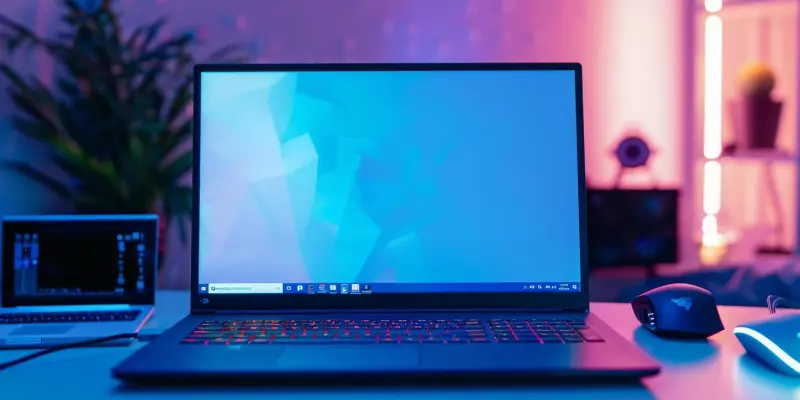
Windows 12: A Glimpse Into the Future of AI-Driven OS Innovation

Article Highlights
Off On

As Windows 10 is gradually phased out, a pivotal moment arises in the tech world, compelling users to decide between upgrading to Windows 11 or waiting for Windows 12. This transition is more than just an upgrade; it represents a profound evolution in how operating systems interface with users and technology. With Windows 12 rumored to embrace artificial intelligence and offer extensive customization, the anticipation is mounting. The envisioned experience moves beyond traditional operating system functions, promising not only efficiency but also a genuinely user-centric design. These advancements are anticipated to cater to ever-evolving digital needs by integrating cutting-edge tech seamlessly into everyday use. This development is expected to set a robust precedent for future operating systems and user experiences.

Navigating the Future of Operating Systems

As discussions on Windows 12 gather pace, it’s evident that Microsoft’s dedication to AI will spearhead the next evolution of operating systems. This anticipated transformation aims for a cohesive integration of advanced AI with user-centric features. Abdi’s concept design offers a sneak peek into this future, revealing a system that intuitively aligns with users’ needs. The focus isn’t solely on easing tasks but also enriching daily digital interactions with personalized elements. Current assumptions suggest Windows 12 will transcend the minor updates of its predecessors, embracing complexities and opportunities that AI uniquely addresses. Thus, the discussion contrasts today’s technology with futuristic aspirations, sketching a vivid image of forthcoming operating systems. Reflecting on the transition from Windows 10 to Windows 12, the pivotal shift towards AI becomes evident. There’s a strong dialogue around the need for systems that comprehend and anticipate user preferences without sacrificing speed, adaptability, or security. This expectation sets the stage for innovations, showcasing technology’s alignment with user goals and modern demands.

Explore more

Jenacie AI Debuts Automated Trading With 80% Returns

We’re joined by Nikolai Braiden, a distinguished FinTech expert and an early advocate for blockchain technology. With a deep understanding of how technology is reshaping digital finance, he provides invaluable insight into the innovations driving the industry forward. Today, our conversation will explore the profound shift from manual labor to full automation in financial trading. We’ll delve into the mechanics

Chronic Care Management Retains Your Best Talent

With decades of experience helping organizations navigate change through technology, HRTech expert Ling-yi Tsai offers a crucial perspective on one of today’s most pressing workplace challenges: the hidden costs of chronic illness. As companies grapple with retention and productivity, Tsai’s insights reveal how integrated health benefits are no longer a perk, but a strategic imperative. In our conversation, we explore

DianaHR Launches Autonomous AI for Employee Onboarding

With decades of experience helping organizations navigate change through technology, HRTech expert Ling-Yi Tsai is at the forefront of the AI revolution in human resources. Today, she joins us to discuss a groundbreaking development from DianaHR: a production-grade AI agent that automates the entire employee onboarding process. We’ll explore how this agent “thinks,” the synergy between AI and human specialists,

Is Your Agency Ready for AI and Global SEO?

Today we’re speaking with Aisha Amaira, a leading MarTech expert who specializes in the intricate dance between technology, marketing, and global strategy. With a deep background in CRM technology and customer data platforms, she has a unique vantage point on how innovation shapes customer insights. We’ll be exploring a significant recent acquisition in the SEO world, dissecting what it means

Trend Analysis: BNPL for Essential Spending

The persistent mismatch between rigid bill due dates and the often-variable cadence of personal income has long been a source of financial stress for households, creating a gap that innovative financial tools are now rushing to fill. Among the most prominent of these is Buy Now, Pay Later (BNPL), a payment model once synonymous with discretionary purchases like electronics and