

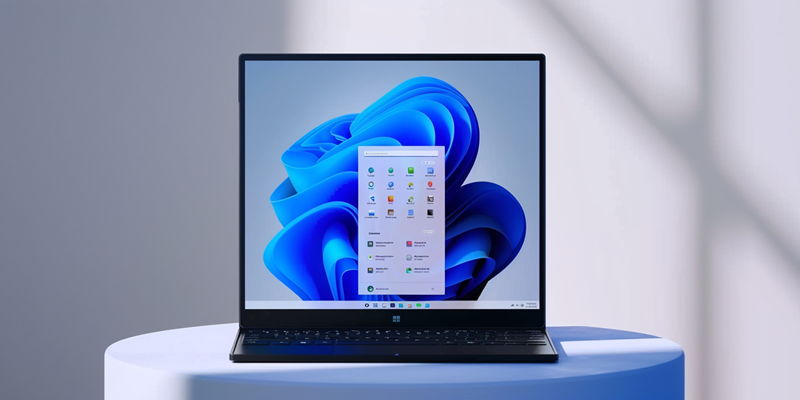
Microsoft continues to innovate and enhance Windows 11, striving to refine the user experience and streamline functionalities across devices. The tech giant has released a notable optional update, KB5037853, which stands out for its non-security nature but is packed with a slew of features aimed at making the user’s digital life more interconnected and convenient. This update, while still in preview, exhibits Microsoft’s commitment to the evolution of their flagship operating system.
Feature-Rich Advancements
User Interface Enhancements and Sharing Capabilities
This latest update to Windows 11 introduces an assortment of user interface improvements that are likely to be a welcome change for those deeply integrated into the Windows ecosystem. Perhaps one of the most practical enhancements is the inclusion of an account manager in the Start menu, making it easier for users to switch between accounts without digging through settings. Meanwhile, the File Explorer has been tweaked to allow the dragging of files within the address bar, which, though seemingly minor, represents another step towards efficiency and usability.
Sharing has also become more intuitive with this update. A new ‘Linked devices’ section in the Settings menu now provides users with a detailed overview of their PCs and Xbox consoles, making it easier to manage multiple devices. Additionally, users can create QR codes for sharing webpage URLs and cloud files conveniently – a smart addition that considers the increasing use of mobile devices. Another practical feature is the ability to email oneself directly from the Windows share window, which could simplify the transfer of information between devices for users on the go.
Simplified Account Management and Recovery
Continuing the theme of ease and accessibility, the update introduces a new ‘Add now’ button that simplifies the addition of a recovery email address to your Microsoft account. This feature is not just about convenience; it reflects a focus on security, ensuring users have a straightforward method to recover access to their accounts.
Backup for select sound settings also joins the list of new functionalities, offering users peace of mind and personalization preservation. As settings and preferences become increasingly important in the personalized tech landscape, such features underscore Microsoft’s attention to detail in the user experience. The finer aspects of an operating system can often be overlooked, but in this update, even the smaller enhancements contribute to an overall smoother Windows 11 experience.
Fine-Tuning Performance and Security
Addressing User Experience Issues
Microsoft’s KB5037853 update for Windows 11 goes beyond introducing new features; it also targets a range of operational bugs and user experience issues. Notably, the responsiveness of the File Explorer has been improved, which should appease many who rely heavily on file navigation for daily tasks. Additionally, visual distortions experienced with Chromium-based browsers have been rectified, ensuring a more visually stable experience across commonly used applications.
Several connectivity issues have also been addressed. Bluetooth LE Audio headset users can rejoice as the update brings enhancements to connectivity options, as well as fixes for the Share button functionality with USB controllers. Such refinements may appear minor to the casual observer, but for those who encounter these frustrations regularly, they represent a meaningful step towards a more reliable and enjoyable Windows 11 experience.
Emphasis on Enterprise Environments
Microsoft is pushing the envelope with ongoing innovations to Windows 11, focusing on enhancing the overall user interface and the seamless interaction across multiple devices. The company has recently rolled out an impressive optional update, identified as KB5037853. This particular update is noteworthy because, unlike the usual security patches, it brings a collection of features designed to enrich the user’s digital ecosystem, facilitating a more integrated and efficient experience. Despite it being in the preview phase, this update reflects Microsoft’s unwavering dedication to the continuous improvement of their premier operating system. Such enhancements not only add value to the software but also reinforce Microsoft’s role as a pacesetter in the tech industry, constantly adapting and evolving to meet the dynamic needs of its users.