

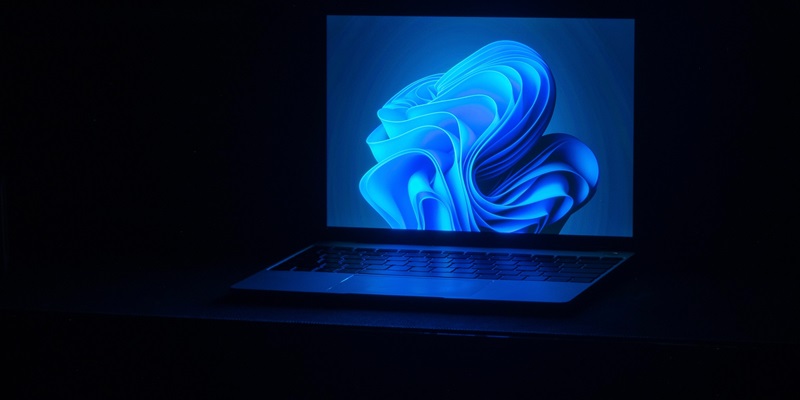
Windows 11, the highly anticipated operating system, is set to receive a major update with the release of 24H2. As the excitement builds, Windows Insiders eagerly await the chance to get a taste of the new features and improvements that this update will bring. But that’s not all – as 2024 is being hailed as the year of the AI PC, Microsoft is determined to lead the charge by integrating more artificial intelligence capabilities into the Windows 11 experience.
The Rise of AI PCs: 2024 as the Year of AI PCs
In recent years, the world has witnessed a remarkable rise in the adoption and advancement of artificial intelligence. This trend has extended to personal computing, with AI becoming an integral part of PCs. Looking ahead, industry experts are predicting that 2024 will be the year when AI PCs truly come into their own. These intelligent machines will leverage AI algorithms and technologies to deliver enhanced performance, efficiency, and user experiences. With Windows 11 serving as the backbone, these AI PCs are bound to revolutionize the way we interact with technology.
Microsoft’s Plan to Integrate More AI Features in Windows 11
With the upcoming 24H2 update, Microsoft aims to expand the capabilities of Windows 11 by harnessing the power of artificial intelligence. This update will introduce an array of innovative features, each powered by AI. Among these enhancements is a next-generation edition of Windows Copilot, a virtual assistant that will go beyond its current capabilities to improve the user experience in a variety of ways. With Copilot at the helm, users can expect smoother navigation, intelligent recommendations, and personalized assistance throughout their Windows 11 journey.
Enhancing User Experience with Windows Copilot in Windows 11
Windows Copilot, the AI-driven virtual assistant, will play a pivotal role in shaping the user experience of Windows 11. This intuitive tool will be equipped with advanced algorithms and machine learning capabilities, allowing it to understand user preferences, predict actions, and provide proactive suggestions. Whether it’s assisting with complex tasks, offering contextually relevant information, or streamlining workflows, Copilot will be the ultimate companion for users, making their interaction with Windows 11 seamless and effortless.
Exciting Times Ahead with Windows AI PCs
As Windows 11 prepares to embrace the AI revolution, hardware manufacturers and software developers are joining forces to unleash a wave of innovative AI PCs. These machines will leverage the power of artificial intelligence to push the boundaries of what was previously possible. From intelligent voice assistants to facial recognition security, AI PCs will offer a host of exciting features that make everyday tasks faster, more efficient, and more enjoyable. The collaboration between Microsoft, hardware manufacturers, and developers promises a future filled with endless possibilities.
As the release of Windows 11 24H2 draws closer, anticipation among Windows Insiders and tech enthusiasts continues to rise. The integration of artificial intelligence into the Windows 11 experience will undoubtedly take personal computing to new heights. The upcoming update promises a plethora of exciting features, with a Copilot-driven search utility, AI-powered UI and UX improvements, and a browsing history feature topping the list. Moreover, the Start menu will soon gain the ability to remind users of their Microsoft Teams meetings, keeping them connected and productive. Windows Insiders, as always, will have the first bite of the cherry, providing valuable feedback and shaping the final product.
Looking further ahead, the year 2024 holds immense promise for AI PCs. With a new generation of intelligent machines on the horizon, users can look forward to a future where their PCs anticipate their needs, adapt to their preferences, and enhance their productivity. With Windows 11 at the forefront, the era of AI PCs is set to revolutionize personal computing, transforming the way we work, play, and interact with technology. Embrace the future of AI PCs with Windows 11 and be prepared to witness a new era of innovation and possibilities.