

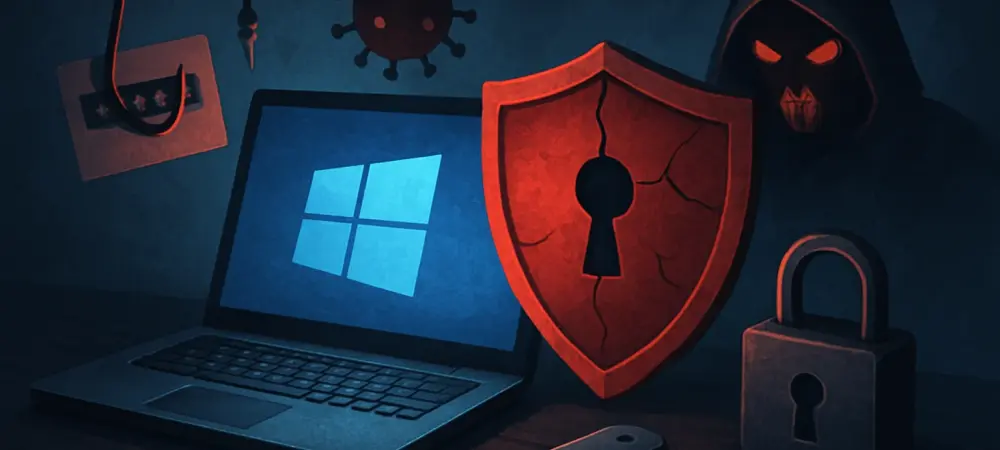
Imagine a digital landscape where over 600 million devices suddenly become ticking time bombs, vulnerable to unseen cyber threats due to a single deadline, marking a critical turning point for users. This is the reality facing Windows 10 users as Microsoft’s support for this widely used operating system officially ceased on October 14 of last year. With no more security updates or patches, countless systems are now at risk, prompting urgent questions about user safety, hardware readiness, and the future of operating system transitions. This review delves into the implications of Windows 10’s end-of-life (EOL), evaluates the challenges and solutions surrounding this pivotal moment, and assesses its broader impact on the tech ecosystem.
Understanding the End-of-Life Milestone
The cessation of support for Windows 10 marked a significant turning point in Microsoft’s lifecycle policy for operating systems. As of the deadline last October, the company halted all security updates and technical assistance, leaving devices exposed to emerging vulnerabilities without official patches. This decision aligns with Microsoft’s standard practice of phasing out older systems to focus resources on newer platforms like Windows 11, but it has left a vast user base grappling with the consequences.
The scale of this transition cannot be overstated, given the sheer number of active Windows 10 installations worldwide. Many users, ranging from individual consumers to small businesses, have relied on this OS for its stability and familiarity since its debut. However, the end of support underscores a harsh reality: without updates, these systems are defenseless against the increasingly sophisticated cyberattacks that define today’s digital environment.
Key Risks of Operating Unsupported Systems
Exposure to Cybersecurity Threats
One of the most pressing dangers of continuing to use Windows 10 post-EOL is the heightened risk of cyber exploitation. Without regular security patches, vulnerabilities in the operating system remain unaddressed, creating open doors for malware, ransomware, and data breaches. Cybersecurity experts have repeatedly warned that attackers often target outdated systems, exploiting known flaws with devastating efficiency.
This threat is not hypothetical but a documented concern, as new exploits targeting Windows systems are discovered with alarming frequency. For users who fail to transition, the potential for compromised personal information or financial loss looms large. The absence of Microsoft’s protective updates transforms once-secure devices into liabilities in a matter of months.
Hardware Barriers to Modernization
Beyond cybersecurity, a significant obstacle for many users lies in the hardware requirements for upgrading to Windows 11. Microsoft has set stringent criteria for compatibility, including specific processor generations and security features like TPM 2.0, which many older devices lack. This exclusionary policy has stranded millions of users with equipment that cannot support the newer OS without costly replacements.
The financial burden of purchasing new hardware is a daunting reality for individuals and organizations alike. For those operating on tight budgets, the inability to upgrade amplifies the urgency of finding alternative solutions while highlighting a critical gap in accessibility during this transition period. The disparity between user needs and system demands remains a central challenge in this EOL scenario.
Trends Shaping OS Transitions and Security
The Windows 10 EOL event has catalyzed notable shifts in how operating system transitions are managed and perceived. Microsoft’s aggressive push toward Windows 11 adoption reflects a broader industry trend of prioritizing cutting-edge technology over prolonged support for legacy systems. This approach, while innovative, places pressure on users to adapt quickly to avoid falling behind in security and functionality.
Parallel to this, cybersecurity awareness has gained prominence as a critical focus area. The growing sophistication of threats has prompted both users and providers to rethink strategies for protecting data in unsupported environments. Temporary support programs and third-party solutions have emerged as stopgap measures, illustrating a dynamic response to the challenges of rapid OS lifecycle changes.
Additionally, user behavior is evolving in response to such deadlines, with increased demand for clear guidance and accessible tools to navigate transitions. The tech industry as a whole is witnessing a pivot toward more flexible support models, hinting at future innovations that could ease the burden of EOL events on diverse user bases.
Practical Pathways for Users Post-Deadline
For Windows 10 users seeking to mitigate risks after the support cutoff, several actionable options exist, each with its own set of benefits and limitations. Microsoft’s primary recommendation remains upgrading to Windows 11 for devices meeting the necessary hardware criteria, ensuring continued access to security updates and technical support. This path offers the most straightforward resolution for eligible systems.
For those with incompatible hardware, Microsoft introduced a temporary 12-month Extended Security Update (ESU) program, which was available for free to users who enrolled via OneDrive before the deadline last October. This initiative provides a limited buffer of critical updates, buying time for users to plan their next steps. However, enrollment is no longer an option, leaving latecomers to explore other avenues.
A more controversial workaround involves tools like Flyoobe (previously Flyby11), which enable Windows 11 installation on unsupported hardware. While this option appeals to tech-savvy individuals, Microsoft discourages its use due to potential stability issues and security risks, urging caution. Real-world examples, such as small businesses opting for ESU or home users attempting workarounds, highlight the varied approaches and inherent trade-offs in addressing this challenge.
Obstacles Hindering Smooth Transitions
Navigating away from Windows 10 is fraught with barriers that complicate the process for many users. Financial constraints pose a significant hurdle, as the cost of acquiring compatible hardware for Windows 11 remains prohibitive for a substantial portion of the user base. This economic barrier underscores broader issues of digital equity in technology adoption.
Technical challenges further compound the problem, particularly for those considering unofficial installation methods. Such workarounds often require advanced knowledge and carry risks of system instability, deterring less experienced users from attempting them. Microsoft’s stance against these methods adds another layer of caution, emphasizing the importance of official solutions despite their inaccessibility to some.
Even with Microsoft’s efforts to support users through reminders and enrollment programs before the deadline, the diversity of circumstances among Windows 10 users limits the effectiveness of these measures. Tailored guidance and resources, while helpful, cannot fully address the unique constraints faced by individuals and organizations, leaving gaps in the transition framework.
Looking Ahead for Windows Users
The post-EOL landscape for Windows 10 users offers a glimpse into potential developments that could shape future transitions. Expanded support programs or more affordable hardware solutions might emerge in the coming years, addressing some of the accessibility issues that have defined this period. Microsoft’s ongoing commitment to user safety could drive such innovations over time.
Advancements in cybersecurity tools also hold promise for mitigating risks associated with unsupported systems. Independent software vendors and security firms may step in with protective measures tailored for legacy OS environments, offering a lifeline to users unable to upgrade immediately. This trend could redefine how EOL events are managed in the tech sphere.
Finally, the long-term impact on user trust and Microsoft’s strategy for future OS releases warrants attention. Balancing rapid innovation with inclusive support will be crucial for maintaining confidence among diverse audiences. As the industry adapts to accelerated lifecycle changes, the lessons from Windows 10’s EOL will likely inform more resilient approaches to technology transitions.
Final Reflections and Next Steps
Looking back, the end of support for Windows 10 stood as a defining moment that exposed both the vulnerabilities and resilience of a global user base. It challenged millions to confront cybersecurity risks head-on while navigating hardware and financial limitations. The response from users and Microsoft alike revealed a complex interplay of urgency, innovation, and adaptation.
Moving forward, users who missed the initial deadlines must prioritize securing their systems through alternative means, such as seeking third-party security software or planning for hardware upgrades within budget constraints. Exploring community forums and expert advice can also provide insights into managing unsupported environments safely.
For Microsoft and the broader tech industry, this event highlighted the need for more inclusive transition strategies that account for economic and technical disparities. Future considerations should focus on bridging these gaps, ensuring that no user is left behind as operating systems evolve. This juncture serves as a reminder of technology’s dual role as both a tool for progress and a challenge to accessibility.