

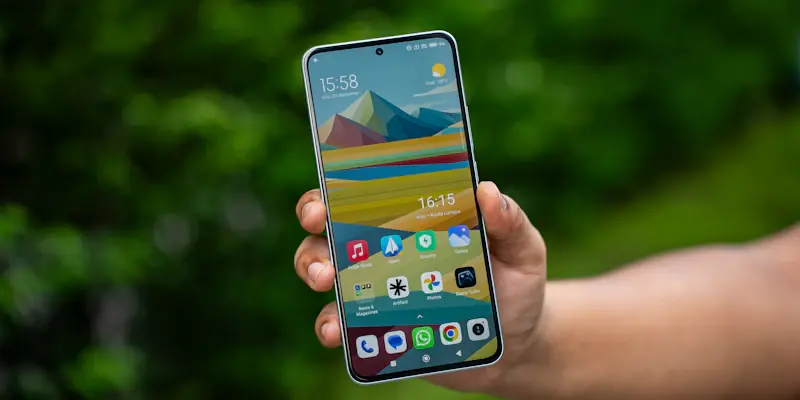
The upcoming Xiaomi 16 Pro smartphone is set to feature groundbreaking technology in the form of a 3D-printed metal mid-frame, offering benefits such as reduced weight and improved thermal performance. With the Xiaomi 15 series smartphones recently launched globally and their introduction in India on March 11, attention has swiftly turned to what the next generation might bring. Analyst Ming-Chi Kuo from TF Securities International has already shared some early details about the Xiaomi 16 Pro and its innovative new feature.
The Future of Smartphone Design
Embracing 3D Printing Technology
The Xiaomi 15 series smartphones were recently launched globally, and they are set to be introduced in India on March 11. While the successors to these devices are not anticipated for several months, analyst Ming-Chi Kuo has already shared preliminary details about the next-generation Xiaomi 16 Pro. According to Kuo, one of the standout features of the Xiaomi 16 Pro will be a metal mid-frame created using 3D printing technology. This strategic shift towards 3D printing represents an intriguing venture in Xiaomi’s endeavor to innovate within the competitive landscape of smartphone manufacturing. By partnering with Bright Laser Technologies (BLT), a Chinese supplier renowned for its expertise in 3D printing, Xiaomi aims to revolutionize the traditional manufacturing process and set new standards for tech design.
The existing Xiaomi 15 Pro already features a metal mid-frame, but what sets the Xiaomi 16 Pro apart is this mid-frame’s 3D-printed nature. This move to adopt 3D printing marks a significant step in Xiaomi’s efforts to enhance their hardware design and performance capabilities. As the company ventures into this domain, industry analysts and consumers alike are eager to see how these technological advancements will play out in real-world scenarios and whether the benefits will elevate user experience to new heights. Embracing 3D printing technology could indeed set a trend and push other smartphone manufacturers to explore similar innovative paths.
Benefits of 3D Printing for Smartphones
3D printing technology offers several advantages, despite facing challenges such as production efficiency. One major benefit is the potential for reducing the weight of the smartphone without compromising durability. This is achieved through the use of hollow designs that maintain the structural integrity of the mid-frame. With weight being a crucial factor for smartphone users, a lighter device can significantly enhance portability and ease of use, making it a highly attractive feature.
Additionally, 3D-printed mid-frames can enhance thermal performance, which is crucial for maintaining optimal device temperatures and overall performance. Improved thermal management is particularly important as smartphones continue to advance with more powerful processors and extensive functionalities. This innovation helps ensure that devices do not overheat, thus maintaining their longevity and efficiency. By focusing on these advantages, Xiaomi’s 3D-printed mid-frame can potentially lead to better user experiences and greater consumer satisfaction, pushing the boundaries of what modern smartphones can achieve.
The Impact on the Smartphone Industry
Potential for Industry-Wide Adoption
Kuo suggests that as production efficiency for 3D printing improves, more smartphone manufacturers are likely to adopt this technology. Although current production technologies may still be more efficient, the advantages of 3D printing—such as weight reduction and improved thermal performance—are expected to eventually outweigh the higher initial costs. As the technology matures and becomes more cost-effective, it could see broader application across the industry.
This trend will likely lead to wider adoption of 3D-printed components in the smartphone industry. Early adopters like Xiaomi can set a precedent for innovation and encourage other manufacturers to explore similar advancements. By demonstrating the practical benefits and capabilities of 3D printing technology, Xiaomi could pioneer a new wave in smartphone design and construction, showcasing the potential of these components to enhance user experience and device longevity. This could usher in a new era where 3D printing becomes a staple in smartphone manufacturing.
Setting Expectations for the Xiaomi 16 Pro
The successor to the Xiaomi 15 Pro, the Xiaomi 16 Pro, is anticipated to be unveiled in China in the fourth quarter of 2025, following the company’s typical release schedule. The current generation Xiaomi 15 Pro is equipped with a Snapdragon 8 Elite SoC, a 2K 120Hz OLED display, three 50-megapixel rear cameras, and a 6,100mAh battery that supports 90W fast charging. These specifications set a high standard for its successor, indicating that the Xiaomi 16 Pro will likely feature similarly advanced hardware in addition to the innovative 3D-printed mid-frame.
As consumers and industry watchers alike await its arrival, expectations are high that these features will translate into exceptional real-world performance. The integration of a 3D-printed mid-frame could result in a device that is not only powerful but also lighter and more thermally efficient. With user experience at the forefront, the Xiaomi 16 Pro could pave the way for future advancements, ensuring that Xiaomi remains at the cutting edge of smartphone innovation. The anticipation surrounding its release is indicative of the excitement and high hopes that this new technology engenders.
Future Perspectives
Driving Innovation in the Industry
The potential impact of 3D printing technology on the future of smartphone manufacturing is significant. The adoption of 3D-printed components by Xiaomi and potentially other smartphone makers could lead to lighter, more thermally efficient devices. This shift heralds a new era of innovation, as companies continuously seek ways to enhance device performance and user experience. The integration of such advanced technology not only addresses current limitations but also opens up possibilities for further improvements and breakthroughs.
This shift may also drive further innovation within the industry as companies explore new ways to enhance device performance and user experience. The continuous evolution of smartphone technology promises exciting developments in design and functionality. As more manufacturers adopt 3D printing, we can expect a cascade of innovations, ranging from improved battery life to enhanced durability. These advancements could redefine consumer expectations and elevate the standard for future smartphones.
Xiaomi’s Role in Advancing Technology
The forthcoming Xiaomi 16 Pro smartphone is poised to showcase cutting-edge technology with its 3D-printed metal mid-frame. This innovative feature is set to provide significant advantages, including reduced weight and enhanced thermal performance, setting a new standard in smartphone design. Following the global release of the Xiaomi 15 series and its recent launch in India on March 11, the focus has now shifted to anticipating the advancements the next generation will offer. Noted analyst Ming-Chi Kuo from TF Securities International has already leaked some early insights about the Xiaomi 16 Pro, highlighting its pioneering 3D-printed metal mid-frame. This revolutionary technology is expected to deliver superior thermal management, which is crucial for maintaining the device’s performance during intensive use. Additionally, the reduced weight will likely contribute to a more comfortable and manageable user experience. As more details emerge, excitement continues to build around Xiaomi’s upcoming flagship, with the 16 Pro promising to push the boundaries of smartphone innovation even further.