
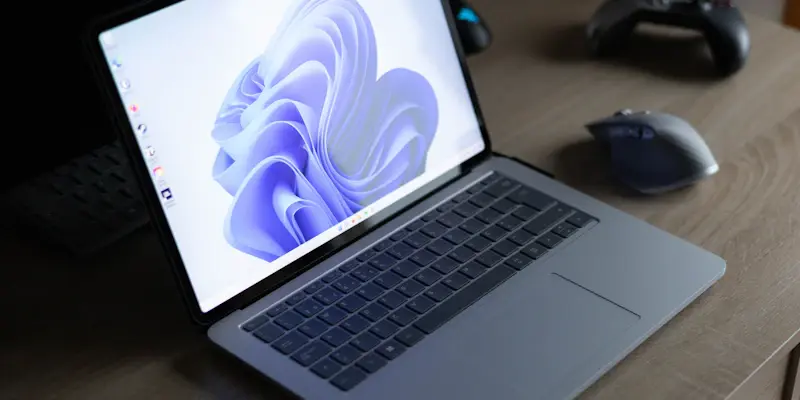
Will Windows 11 25H2 Deliver a Smoother Update Experience?

Article Highlights
Off On

As tech enthusiasts eagerly follow the latest developments from Microsoft, all eyes are on the anticipated release of Windows 11 version 25H2. Built on the lessons learned from previous updates, this version promises an enhanced user experience with a focus on reliability and performance. Early insights from Windows 11 preview builds have sparked discussions within the tech community. Found within the build’s code, the term “GE25H2” and a build number of 26200 were revealed. These findings suggest a minor enablement package is in the works. Unlike a complete system overhaul, this approach mirrors the strategy behind the 24H2 update, which faced criticism for its bugs. As a result, Microsoft seems poised to prioritize stability over novelty with the 25H2 update, fostering anticipation among users transitioning from Windows 10, which ceased receiving mainstream support. The future of Windows updates, as signaled by these developments, may shape the landscape of user interactions and expectations in the coming years.

Building Expectations: User Hopes and Developer Aims

As the digital landscape morphs and users adjust their daily workflows, a seamless computing experience becomes paramount. Many look to the 25H2 update as a potential breakthrough for Microsoft. By circumventing the challenges of earlier updates, which often stumbled due to technical difficulties, Microsoft has a chance to regain users’ confidence. This trust-building is crucial, especially with competitors developing innovative alternatives. Microsoft’s focus on resolving bugs from the 24H2 version showcases a commitment to crafting a more refined platform responsive to user feedback. The next few months are anticipated to be critical, with an emphasis on stringent quality control and in-depth testing pre-release, positioning Microsoft to meet or surpass user expectations. Balancing cutting-edge features with unwavering reliability remains a priority in delivering a stable Windows platform. While details about the update are somewhat speculative, the discourse around Windows 11 25H2 presents a promising opportunity for Microsoft to set new industry standards and enhance user satisfaction.

Explore more

AI and Generative AI Transform Global Corporate Banking

The high-stakes world of global corporate finance has finally severed its ties to the sluggish, paper-heavy traditions of the past, replacing the clatter of manual data entry with the silent, lightning-fast processing of neural networks. While the industry once viewed artificial intelligence as a speculative luxury confined to the periphery of experimental “innovation labs,” it has now matured into the

Is Auditability the New Standard for Agentic AI in Finance?

The days when a financial analyst could be mesmerized by a chatbot simply generating a coherent market summary have vanished, replaced by a rigorous demand for structural transparency. As financial institutions pivot from experimental generative models to autonomous agents capable of managing liquidity and executing trades, the “wow factor” has been eclipsed by the cold reality of production-grade requirements. In

How to Bridge the Execution Gap in Customer Experience

The modern enterprise often functions like a sophisticated supercomputer that possesses every piece of relevant information about a customer yet remains fundamentally incapable of addressing a simple inquiry without requiring the individual to repeat their identity multiple times across different departments. This jarring reality highlights a systemic failure known as the execution gap—a void where multi-million dollar investments in marketing

Trend Analysis: AI Driven DevSecOps Orchestration

The velocity of software production has reached a point where human intervention is no longer the primary driver of development, but rather the most significant bottleneck in the security lifecycle. As generative tools produce massive volumes of functional code in seconds, the traditional manual review process has effectively crumbled under the weight of machine-generated output. This shift has created a

Navigating Kubernetes Complexity With FinOps and DevOps Culture

The rapid transition from static virtual machine environments to the fluid, containerized architecture of Kubernetes has effectively rewritten the rules of modern infrastructure management. While this shift has empowered engineering teams to deploy at an unprecedented velocity, it has simultaneously introduced a layer of financial complexity that traditional billing models are ill-equipped to handle. As organizations navigate the current landscape,