

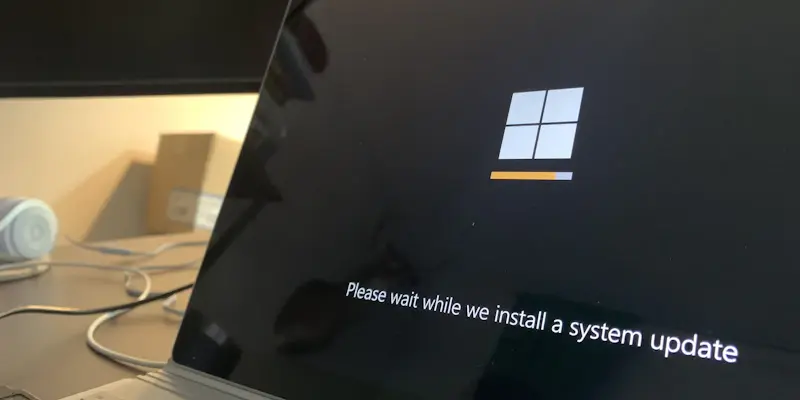
Imagine if you installed a crucial update on your computer, only to find out later that it has left your system vulnerable to future security threats. This is the exact scenario facing many users who installed the Windows 11 24H2 update using physical media such as CDs or USB flash drives between October 8, 2024, and November 12, 2024. These users are now finding out that their PCs won’t receive any future security updates, thus putting their systems at risk. This bug does not, however, affect those who updated their systems through Windows Update or the Microsoft Update Catalog website.
Introduced in October 2024, Windows 11 24H2 has been plagued with numerous issues, much to the frustration of users and Microsoft alike. The latest bug specifically impacts PCs installed with the mentioned version using physical media containing October or November 2024 security updates. This means that any machine installed during this timeframe will not receive upcoming security patches. Microsoft confirmed this issue and stressed that only installations from specific physical media are affected, leaving such systems open to potential vulnerabilities.
For users yet to update their systems, the best course of action is to download the latest version from Microsoft’s Download Windows 11 page, which includes the December 2024 update. This version reportedly does not suffer from the same bug. Those who have already encountered this issue are advised to remain patient as Microsoft is actively working on a solution and will provide further information soon.
Beyond this particular bug, the journey of Windows 11 24H2 since its release has been littered with various challenges. Since its launch, Microsoft has rolled out multiple patches in October, November, and December 2024 to address a range of glitches. Yet, new problems keep surfacing, pointing to an ongoing instability with this version. Consequently, users are being advised to steer clear of the 2024 update until it proves to be more stable and reliable.
Conclusively, the recurring pattern is clear: the Windows 11 24H2 update has been besieged by issues adversely impacting the performance and user experience. While Microsoft’s effort to fix these problems through patch releases is commendable, it also underscores the continuous struggle to stabilize the operating system. The affected users are recommended to wait for Microsoft’s impending fix, reflecting the company’s commitment to ongoing repairs and improvements for a more secure and efficient OS experience.