

The rapid evolution of mobile optics has reached a point where smartphones are no longer just convenient tools but serious contenders for professional-grade imaging. As the industry anticipates the next major shift, recent leaks and social media reports suggest that the Vivo X300 Ultra is poised to lead this technological charge. Scheduled for a tentative late March debut in China, this device aims to bridge the gap between pocket-sized mobility and high-end camera equipment.
By examining the rumored specifications and the strategic collaboration with Zeiss, one can understand how this upcoming launch reflects a broader trend toward specialized hardware. This article explores the essential details surrounding the X300 Ultra and its companion devices, providing a clear picture of what enthusiasts can expect from the next generation of flagship smartphones.
Key Questions Regarding the Vivo X300 Series
What Makes the X300 Ultra Camera System Stand Out?
The primary allure of the Ultra model lies in its massive 200-megapixel Sony LYT-901 primary sensor. This hardware represents a significant leap in light sensitivity and resolution, allowing for unprecedented detail even in challenging environments. Beyond the sensor itself, the integration of a 400mm Zeiss Telephoto Extender Kit suggests that long-range photography will no longer suffer from the typical digital grain found in lesser devices.
Moreover, the combination of advanced optics and software tuning highlights a focus on professional aesthetics. This partnership ensures that color accuracy and lens flare management remain top-tier. For users who demand more than just a standard snapshot, these features transform the smartphone into a versatile tool capable of capturing cinematic portraits and distant landscapes with ease.
How Does the Vivo X300s Balance Power and Endurance?
While the Ultra focuses on photography, the X300s aims to dominate the performance and battery sectors. It features a substantial 7,100mAh battery, which is designed to support the high energy demands of its 6.78-inch 144Hz display. This ensures that whether a person is gaming or multitasking, the device remains responsive and lasts through extended periods of heavy use without frequent charging.
Furthermore, the inclusion of Ultrasonic Fingerprint 2.0 technology provides a faster and more secure unlocking experience compared to traditional optical sensors. Despite being positioned slightly differently than the Ultra, it still retains a Zeiss-tuned 200-megapixel rear camera system. This ensures that users do not have to sacrifice imaging quality for the sake of better battery life or a faster screen refresh rate.
What Other Hardware Complements the New Smartphone Lineup?
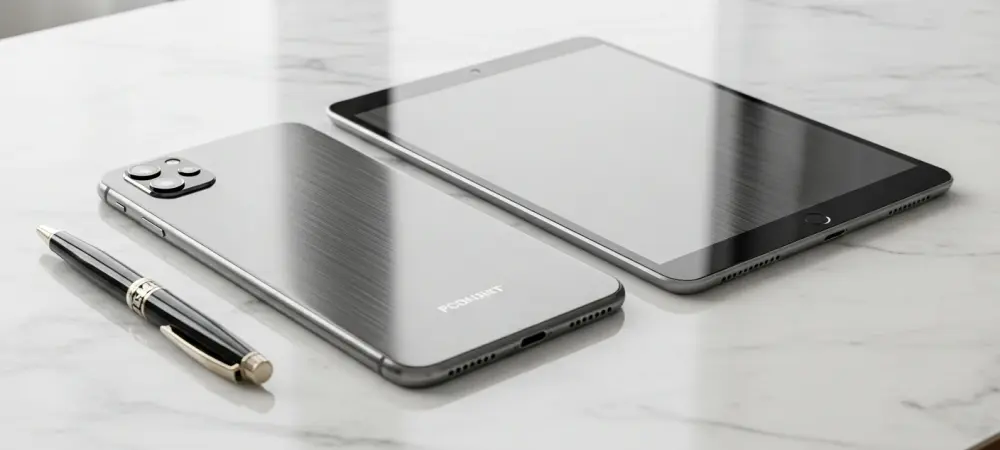
The upcoming launch event is expected to be more than just a phone reveal, as the Vivo Pad 6 Pro tablet is also slated for an appearance. With storage configurations reaching up to 1TB, this tablet is clearly intended for power users and creative professionals who need significant space for high-resolution files. It will likely feature a color palette that matches the smartphones, creating a cohesive aesthetic across the entire mobile ecosystem.
In addition to the tablet, there are indications that the top-tier smartphone variants may include satellite calling capabilities. This feature addresses the needs of travelers and professionals working in remote areas where traditional cellular networks are unavailable. Such advancements signal that the brand is looking beyond standard social media usage toward mission-critical communication and high-capacity productivity.
Summary of Upcoming Innovations
The anticipated rollout of the X300 series and the Pad 6 Pro demonstrated a clear intent to dominate the premium hardware market through sheer technical specifications. By offering up to 16GB of RAM and massive internal storage across multiple devices, the brand addressed the growing need for local data management. The emphasis on Zeiss-tuned optics and high-capacity batteries provided a dual-focus approach that appealed to both photographers and power users alike.
Final Reflections on Mobile Trends
The move toward integrated professional optics and massive battery capacities suggested that the boundaries of mobile utility are constantly expanding. Prospective buyers had to weigh these technological gains against potential price increases driven by fluctuating market dynamics. Moving forward, the industry will likely see a greater emphasis on satellite connectivity and AI-driven imaging as standard requirements for any device claiming the flagship title. Keeping an eye on regional availability and early performance benchmarks remained the best strategy for those looking to upgrade their digital toolkit.