

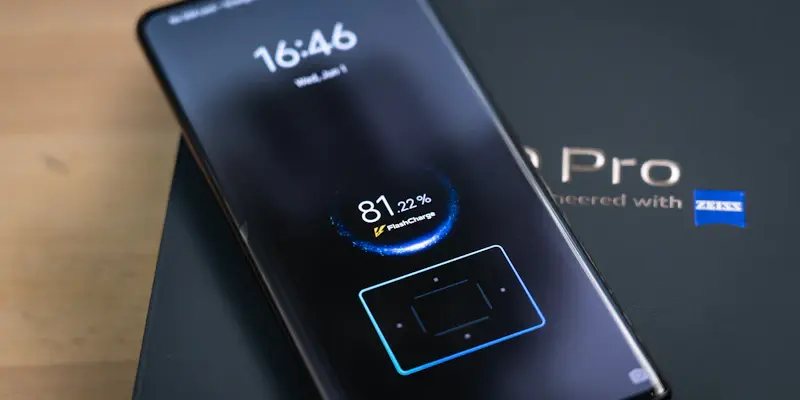
In a world where smartphones are increasingly growing in size, the upcoming release of the Vivo X200 Pro Mini challenges the prevalent trend, offering a compact yet powerful alternative. Slated to debut in India by 2025, this new device seeks to capture the attention of consumers who prioritize portability without compromising on performance. As competition in the compact smartphone market intensifies, Vivo’s latest offering stands out not only for its size but also for its impressive specifications and features. The X200 Pro Mini seeks to rival established compact models such as the Xiaomi 15 and the iPhone 16 Pro.
Vivo X200 Pro Mini: Specifications and Features
The Vivo X200 Pro Mini is no ordinary miniature smartphone. Boasting a powerful MediaTek Dimensity 9400 system-on-chip (SoC), it promises performance on par with its larger counterparts in the X200 lineup. One of the most appealing aspects of the X200 Pro Mini is its 6.31-inch OLED display, which maintains a balance between compactness and usability, ensuring a comfortable grip while providing a vivid viewing experience. Additionally, it features an impressive triple 50MP rear camera setup, including the superior main shooter seen in the Pro model, guaranteeing high-quality photography even in a smaller package.
What truly sets the X200 Pro Mini apart is its flat-screen design, a unique feature within the X200 series. This characteristic not only enhances the sleek, modern aesthetic but also contributes to the overall robustness of the device. Initially exclusive to the Chinese market, Vivo’s decision to launch the X200 Pro Mini globally signifies the company’s confidence in its potential impact. This move could inspire other manufacturers, like OnePlus, to develop their own mini versions of flagship devices, further intensifying competition in the compact smartphone segment.
Market Impact and Consumer Appeal
As compact smartphones gain traction, the Vivo X200 Pro Mini’s foray into the international market could set a notable trend among tech enthusiasts. The anticipated pricing of the X200 Pro Mini remains a subject of speculation, but insights can be drawn from the prices of existing X200 models on Amazon India, which range from INR 65,999 (~$763) for the vanilla X200 to INR 94,999 (~$1,098) for the Pro version. The price positioning of the X200 Pro Mini will be crucial in determining its accessibility and appeal to a broader audience.
The potential success of the X200 Pro Mini can be attributed to its combination of premium features and strategic pricing. With growing interest in compact yet high-performance smartphones, a well-priced offering by Vivo could attract a significant consumer base. This shift towards smaller devices indicates a possible resurgence in the demand for pocket-friendly, less cumbersome smartphones that still deliver top-tier performance. As such, Vivo’s competitive positioning in this niche market underscores its intent to capitalize on this emerging trend, setting the stage for greater adoption of compact smartphones globally.
Future Prospects for the Compact Smartphone Market
In a world where smartphones continue to grow in size, the upcoming release of the Vivo X200 Pro Mini offers a compelling alternative by embracing a compact design without sacrificing performance. Scheduled for launch in India by 2025, the Vivo X200 Pro Mini aims to attract consumers who value portability yet demand powerful features. This new entry into the market marks a significant shift for Vivo, positioning itself against renowned compact models like the Xiaomi 15 and iPhone 16 Pro. With the compact smartphone market becoming increasingly competitive, Vivo’s latest device distinguishes itself through its impressive specifications and innovative features. The X200 Pro Mini is designed to meet the needs of users who want a smaller device that still delivers top-tier performance, ensuring that they won’t have to compromise on speed or functionality. Its sleek design and powerful capabilities are expected to make it a standout choice among consumers, reinforcing Vivo’s commitment to innovation in an evolving market.