

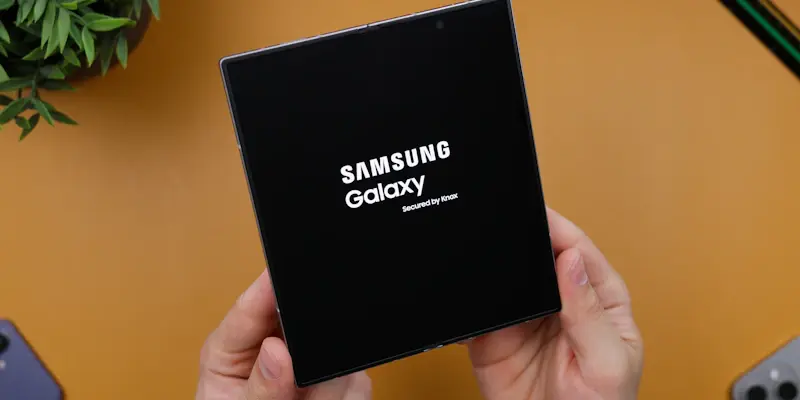
As foldable smartphones continue to revolutionize the mobile technology landscape, the anticipated release of the Samsung Galaxy Z Fold7 has sparked immense curiosity among tech enthusiasts. With rumors suggesting that the Galaxy Z Fold7 will boast superior durability features, there is growing speculation on whether it will surpass the Oppo Find N5 as the toughest foldable smartphone on the market. Recent leaks hint at the inclusion of advanced hinge structures and upgraded brush mechanisms, indicating significant advancements in design and durability compared to previous models. These developments position the Galaxy Z Fold7 as a potential game-changer in the foldable smartphone industry.
Enhanced Durability Features
Samsung’s commitment to enhancing the durability of its foldable smartphones is evident in the anticipated design of the Galaxy Z Fold7. PandaFlashPro reports that one of the critical enhancements includes improved micro brushes designed to limit the ingress of particles into the hinge mechanism. The previous iterations, such as the Galaxy Z Fold6, already featured notable dust resistance with an IP4 rating. However, the Galaxy Z Fold7 is expected to combine dust resistance with IPX9 water resistance, providing robust protection against both water and dust infiltration. This dual-layer defense mechanism is expected to significantly bolster the device’s longevity and reliability.
In addition to the enhanced dust and water resistance, the Galaxy Z Fold7 is rumored to feature a more refined hinge design that minimizes the visibility of creases on the screen. This improvement addresses one of the most common complaints about foldable smartphones – the noticeable crease where the device folds. Such advancements in hinge technology not only improve the user experience but also contribute to the overall durability of the smartphone. If these rumors hold, the Galaxy Z Fold7 could very well redefine the standards of durability in the foldable smartphone market.
Design and Dimension Evolutions
The anticipated design evolution of the Galaxy Z Fold7 marks a significant departure from its predecessors. According to leaked information, the Galaxy Z Fold7 will not only be larger but also thinner compared to the Galaxy Z Fold6 and its Special Edition. These changes in dimensions signal Samsung’s effort to create a foldable phone that is more user-friendly without compromising on durability. The challenge of maintaining robust protective features while minimizing the device’s bulk has likely led to innovative approaches in material selection and component design.
Such design improvements are not just cosmetic but deeply functional, aiming to enhance the overall usability and practical experience of foldable smartphones. By making the Galaxy Z Fold7 thinner and larger, Samsung is addressing consumer demand for devices that are easier to handle and more visually appealing. The integration of these improved design elements with enhanced durability features will likely set a new benchmark for future foldable smartphones. This trend points to a broader industry movement towards producing foldable devices that offer both sophistication in design and resilience in structure.
The competition to create the most durable foldable smartphone is fierce, with devices like the Oppo Find N5 already setting high standards with its IPX9 water resistance rating. However, the lack of official dust resistance testing for the Find N5 provides an opportunity for Samsung to claim superiority if the Galaxy Z Fold7 successfully incorporates both water and dust resistance along with other advanced durability features. Samsung’s focus on durability and design evolution underscores its ambition to lead the market and drive future innovations in the foldable smartphone segment.
Future Prospects for Foldable Smartphones
As foldable smartphones continue to transform the mobile technology landscape, the upcoming Samsung Galaxy Z Fold7 has generated significant buzz among tech enthusiasts. The Galaxy Z Fold7 is rumored to feature enhanced durability, sparking debate on whether it will outperform the Oppo Find N5 as the most rugged foldable smartphone available. Leaks suggest the inclusion of advanced hinge designs and improved brush mechanisms, indicating notable progress in both design and durability compared to earlier models. These advancements suggest the Galaxy Z Fold7 could be a groundbreaking addition to the foldable smartphone market. Furthermore, Samsung’s commitment to innovation is evident in its ongoing efforts to refine the foldable phone experience, addressing previous drawbacks and elevating user satisfaction. With its expected superior durability and innovative features, the Galaxy Z Fold7 may well set new standards in the industry, proving to be a potential game-changer and solidifying Samsung’s leadership in the foldable smartphone segment.