

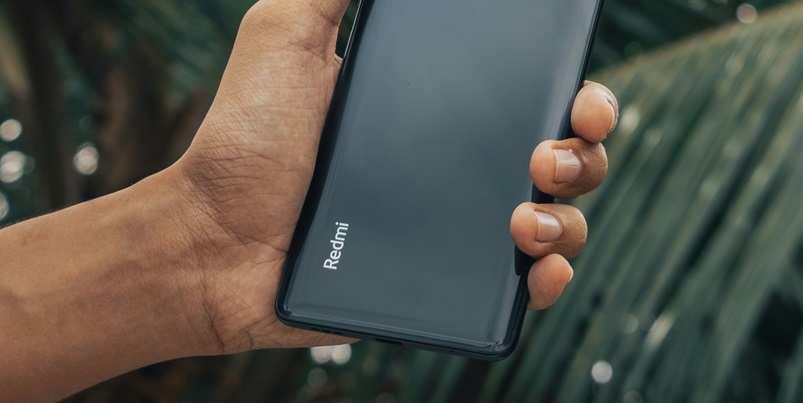
In a landscape where battery life is a crucial deciding factor for many smartphone buyers, the Redmi K90 is poised to make headlines with its anticipated 7,000mAh battery. The previous model, the Redmi K80, already impressed users with its substantial 6,550mAh battery, propelling it to significant success in China. Since its release in November 2024, the K80 has sold over 1 million units, proving that having a longer-lasting power source resonates strongly with consumers. A reputable leaker, Digital Chat Station, has fueled excitement by suggesting that the upcoming K90 will surpass its predecessor with a more capacious battery, reflecting a broader industry trend towards enhancing the battery capacities of smartphones.
This push towards larger batteries is not limited to Redmi alone. Competitors like OnePlus are anticipated to follow suit, incorporating similar upgrades into their devices by 2025. This movement signifies a collective acknowledgment within the industry of the increasing consumer demand for more robust battery life. Realme, another key player in the smartphone market, is also set to raise the stakes. The successor to its GT6 model might come equipped with a 2K+ LTPS ultrasonic fingerprint-reading display supplied by Samsung, rather than relying on Chinese manufacturers like TCL CSOT or BOE. Such advancements hint at not only larger batteries but also more advanced display technologies, culminating in an overall superior user experience.
The implications of these advancements extend beyond just increased battery life. For Redmi, the K90’s global launch could capitalize on the momentum built by the K80, which is expected to debut internationally as the Poco F6 Pro. This expanded reach could mean broader recognition and potentially higher sales in markets outside China. The smartphone industry as a whole seems to be gearing up for a new era where battery life is vastly improved, displays are more sophisticated, and the user experience is seamless. The introduction of these enhanced features points to a future where the inconveniences of frequent charging and lackluster screen quality may become relics of the past.
As we look forward to these innovations, it becomes evident that the future of smartphones is brighter and more efficient. The trend towards larger batteries and superior technology marks a significant shift in how manufacturers are addressing consumer needs. While the Redmi K90’s potential 7,000mAh battery is very promising, it also sets a high benchmark for other companies to meet or exceed. This competition is likely to drive further technological advancements, ultimately benefiting consumers. With such promising developments on the horizon, one can only anticipate a future where smartphones are more powerful, reliable, and user-friendly than ever before.