

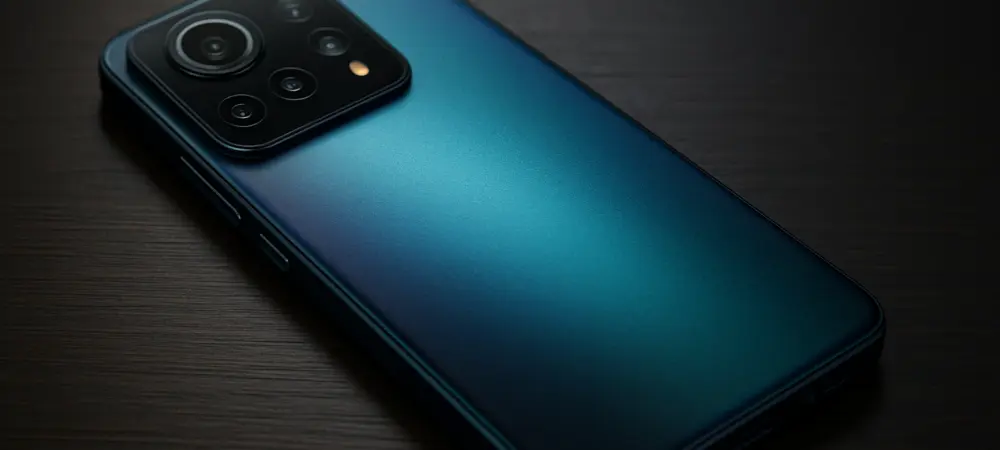
The recent appearance of model numbers 2511FPC34G and 2602BPC18G on the UAE’s TDRA certification database has officially signaled that the Poco X8 Pro series is no longer a matter of speculation. While the mobile industry often suffers from incremental updates that fail to excite the average consumer, these specific regulatory filings suggest a massive shift in how value is calculated in the current market. For years, the mid-range segment has been a battleground of compromises, where users typically trade battery life for performance or display quality for price, yet this upcoming release seems intent on breaking that cycle.
The Impending Shift in the Smartphone Hierarchy
The discovery of these devices indicates that the boundaries between “affordable” and “flagship” are about to become significantly more blurred. Historically, mid-tier phones were expected to cut corners to maintain a lower price point, often leaving users with mediocre cameras or plastic builds. However, the certification of the X8 Pro series suggests that the manufacturer is moving toward a philosophy of high-end parity, aiming to capture the attention of those who are tired of paying a premium for features that should be standard.
This launch represents a necessary market correction as flagship prices continue to climb toward the four-figure mark without offering proportional leaps in utility. By introducing a device that bridges the gap between cost and capability, the industry is forced to reconsider what constitutes a “standard” experience. This shift doesn’t just benefit the budget-conscious consumer; it puts pressure on premium brands to justify their high costs through actual innovation rather than just brand prestige.
Why the Poco X8 Pro Series Demands Global Attention
Poco has historically thrived by cherry-picking the best hardware from the Chinese market and repackaging it for a global audience with refined software and branding. The X8 Pro series follows this proven blueprint, likely serving as the international identity for the Redmi Turbo 5 and Turbo 5 Pro Max. This strategy allows the company to minimize research costs while delivering hardware that is often a generation ahead of what competitors offer at similar price points.
In a global economy where consumers are becoming increasingly tech-savvy and price-sensitive, the arrival of devices that prioritize raw power and longevity is a significant event. The ability to access top-tier silicon and revolutionary battery tech without the “luxury tax” creates a new tier of competition. This approach effectively democratizes high-performance mobile computing, making advanced features accessible to a much broader demographic than ever before.
Deconstructing the Hardware: A Leap in Power and Aesthetics
The upcoming series is expected to move away from generic designs, favoring a sophisticated aesthetic characterized by flat rear panels and curved edges. This refined look is complemented by a distinct pill-shaped camera module, moving the series toward a more mature visual identity. While the standard Pro model targets the sweet spot of ergonomics with a 6.59-inch OLED display, the Pro Max pushes into phablet territory with a massive 6.83-inch screen, catering to the growing demand for immersive media consumption.
Both panels are rumored to support 120Hz refresh rates, ensuring that the visual experience matches the internal velocity provided by MediaTek’s latest silicon. The use of high-quality OLED technology with slim bezels suggests that users will not have to sacrifice screen-to-body ratios or color accuracy. By focusing on the tactile and visual aspects of the hardware, the manufacturer ensures that the device feels premium in the hand, regardless of its mid-range labeling.
Performance Benchmarks and the Battery Revolution
Early data points to a significant divergence in internal capabilities between the two models, specifically regarding their energy management and processing power. The Poco X8 Pro is slated to house the MediaTek Dimensity 8500 Ultra, supported by a 6,500mAh battery—a capacity that already exceeds most current flagships. However, the Pro Max variant is the true outlier, rumored to feature the Dimensity 9500s processor paired with a staggering 8,500mAh battery.
Combined with 100W wired charging, these specifications suggest a device capable of multi-day heavy usage, effectively solving the “range anxiety” that plagues modern smartphone users. This leap in battery density is particularly impressive because it does not seem to come at the expense of the device’s thickness. If these figures hold true, the series will set a new benchmark for endurance, forcing other manufacturers to prioritize power efficiency and capacity in their upcoming cycles.
Evaluating the Pro Series as a Mid-Range Investment
To determine if these devices fit specific needs, one must consider the strategic breakdown of their offerings. If the primary goal is photography, the Pro Max’s inclusion of the Light Hunter 600 sensor with Optical Image Stabilization (OIS) offers a tangible upgrade for low-light performance and video stability. Conversely, for users who prioritize handheld comfort and daily portability without sacrificing the ultra-fast 100W charging speeds, the standard Pro model provided a more balanced footprint for the average user.
The transition toward such high-capacity batteries and advanced sensors in the mid-range category suggested a future where hardware limitations no longer dictated the user experience. Industry analysts watched as these devices challenged the traditional product life cycle, encouraging consumers to look beyond brand names. Moving forward, the focus shifted to how other tech giants responded to this disruption, as the standard for value had been permanently raised through this release.