

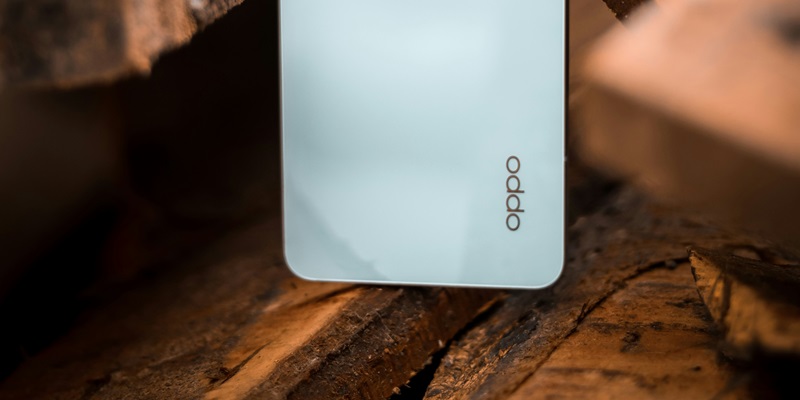
The OPPO Find X8 Pro is set to debut as a next-generation flagship-series Android smartphone in 2024, with promises of significant enhancements in battery life and performance. This highly anticipated release will include three variants: the Find X8, Find X8 Pro, and the high-end Find X8 Ultra. The key highlight of these upcoming models centers on their significantly enlarged battery capacities compared to their predecessors in the Find X7 series. Specifically, the Find X8 Pro is expected to feature a substantial 5,700mAh battery, though the actual rated capacity might be slightly lower at approximately 5,540mAh. In contrast, the base Find X8 model is rumored to offer a 5,600mAh battery, with a potential rated capacity closer to 5,440mAh. The Find X8 Ultra is projected to stand out with a massive 6,000mAh battery, potentially marketed with a typical capacity ranging between 6,100 and 6,200mAh. These battery upgrades signify OPPO’s commitment to addressing consumer demands for extended battery life, positioning these devices as strong contenders in the highly competitive Android flagship market in 2024.
Enhanced Battery Capacities and Their Implications
Despite these impressive battery upgrades, there are potential drawbacks that consumers need to consider. One significant change is the possible omission of wireless charging in the new X8 series. The X7 Ultra model previously supported wireless charging at up to 50W, a feature that may not make it into the X8 series. This decision could disappoint users who have come to rely on the convenience of wireless charging. Nonetheless, the X8 series is expected to retain the 100W SuperVOOC wired charging technology, indicating no significant speed improvements in wired charging capabilities. Maintaining the existing wired charging speeds suggests OPPO is focusing more on battery capacity rather than charging innovation with this new series.
The increased battery capacities promise longer usage times and fewer charges throughout the day, potentially revolutionizing the user experience by reducing the anxiety of running out of power during critical moments. This change aligns with growing consumer demands for smartphones that last longer on a single charge, especially for users who rely heavily on their devices for work, entertainment, and communication. The extended battery life could also position the OPPO Find X8 series favorably against competitors in the flagship smartphone segment, providing a key differentiator that appeals to battery-conscious consumers.
Processor Variants and Performance Expectations
Another noteworthy aspect of the OPPO Find X8 series is its variety in processing power. The Find X8 Pro is expected to come equipped with the MediaTek Dimensity 9400 SoC, similar to the standard Find X8 model. In contrast, the flagship X8 Ultra will be powered by the Qualcomm Snapdragon 8 Gen 4, setting it apart from its siblings in terms of performance potential. This distinction in processors may reflect targeted performance variances across the models, catering to different segments of the market. Those seeking the highest level of performance and future-proofing might gravitate towards the X8 Ultra, while the Pro and standard versions offer a balance of power and efficiency.
The inclusion of diverse processors also suggests that OPPO is aiming to offer a range of choices to consumers, allowing them to pick a device that best suits their individual needs and preferences. The MediaTek Dimensity 9400 in the Find X8 and X8 Pro models is expected to deliver robust performance for everyday tasks and moderate gaming, while the Qualcomm Snapdragon 8 Gen 4 in the X8 Ultra will likely attract power users and gamers seeking top-tier performance. This strategic differentiation ensures that the Find X8 series can appeal to a broader audience, enhancing its competitiveness in the market.
Balancing Innovation and Reliable Performance
The OPPO Find X8 Pro is poised to make its debut as a next-generation flagship Android smartphone in 2024, offering substantial improvements in battery life and performance. This eagerly awaited release will feature three models: the base Find X8, the premium Find X8 Pro, and the top-tier Find X8 Ultra. One of the most exciting aspects of these new models is their significantly larger batteries compared to the Find X7 series. The Find X8 Pro is anticipated to come with a robust 5,700mAh battery, though its rated capacity may be around 5,540mAh. Meanwhile, the standard Find X8 is rumored to include a 5,600mAh battery, with an expected rated capacity near 5,440mAh. The standout Find X8 Ultra is likely to have an impressive 6,000mAh battery, with a typical capacity that could range between 6,100 and 6,200mAh. These advancements underscore OPPO’s commitment to enhancing battery life, a critical factor for consumers, thereby positioning these devices as strong competitors in the highly competitive 2024 Android flagship market.