

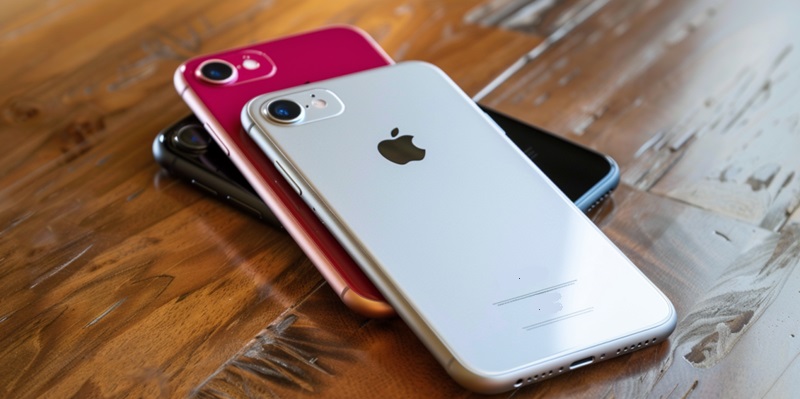
As the anticipation builds around the rumored release of the iPhone SE 4, Apple enthusiasts are abuzz with excitement over the potential upgrades that this fourth-generation model might offer. Reports indicate that the iPhone SE 4 is slated for an early 2025 launch, showcasing a 6.06-inch OLED display, which marks a significant departure from the LCD screens used in previous SE models. For the first time, OLED technology will make its appearance in the SE lineup, promising a richer and more vibrant viewing experience. Additionally, the device design is expected to mimic that of the iPhone 16, shifting away from earlier predictions that it would be based on the iPhone 14’s design.
Display and Design: A Leap Forward
The move to an OLED display is one of the most exciting rumored upgrades for the iPhone SE 4. OLED technology offers several advantages over LCD, including better color accuracy, deeper blacks, and higher contrast ratios. This upgrade would place the SE 4 in a different league compared to its predecessors and possibly make it one of the most appealing budget smartphones on the market. The anticipated 6.06-inch screen size will also provide a more immersive user experience, aligning the SE 4 closer to Apple’s flagship models in terms of display quality.
Another interesting aspect of the iPhone SE 4 rumors revolves around its design. Unlike previous SE models, which often repurposed older iPhone designs to cut costs, the SE 4 is expected to feature a design similar to the iPhone 16. This move would not only give the SE 4 a fresh, modern look but also offer users the benefits of a more ergonomic and efficient layout. Early speculation suggested that the SE 4 might be based on the iPhone 14, but newer reports lean towards a design that closely resembles the iPhone 16, indicating Apple’s intention to bring a touch of its premium range aesthetic to the budget segment.
Camera and Performance Upgrades
One of the most notable improvements expected in the iPhone SE 4 is the camera. Rumors suggest that the device will feature a single rear 48 MP camera, a substantial upgrade from the current SE model’s camera capabilities. This enhancement would enable higher resolution photos, better low-light performance, and overall improved image quality. For photography enthusiasts on a budget, this camera upgrade could be a major selling point, offering capabilities that are typically found in higher-end models.
Performance-wise, the iPhone SE 4 is expected to be a powerhouse in its segment. Reliable tipsters speculate that the phone will be equipped with the forthcoming A18 SoC (System on Chip), paired with either 6 or 8 GB of memory. This combination should ensure smooth multitasking, faster processing speeds, and improved overall performance. The presence of the A18 SoC would place the SE 4 on par with some of Apple’s more expensive offerings, making it a formidable competitor in the budget smartphone market. Additionally, the inclusion of the customizable ‘action button’ above the volume controls, similar to the one found on the iPhone 15 Pro, hints at further enhancing the device’s user interface and overall usability.
Competitive Positioning and Market Impact
As speculation intensifies around the rumored release of the iPhone SE 4, Apple enthusiasts are eagerly buzzing about the potential enhancements this fourth-generation model might bring. Reports suggest that the iPhone SE 4 is on track for an early 2025 launch, offering a notable upgrade with a 6.06-inch OLED display. This marks a significant shift from the LCD screens used in previous SE models, introducing OLED technology to the SE lineup for the first time. This change promises users a richer, more vibrant viewing experience. Moreover, the device’s design is anticipated to resemble that of the iPhone 16, rather than earlier predictions that it would mirror the iPhone 14’s design. This design evolution indicates Apple’s commitment to infusing their budget-friendly SE series with the latest technological advancements and design aesthetics. As we await more detailed information, the buzz surrounding the iPhone SE 4 continues to grow, hinting at a blend of affordability and cutting-edge features that Apple fans have come to expect.