

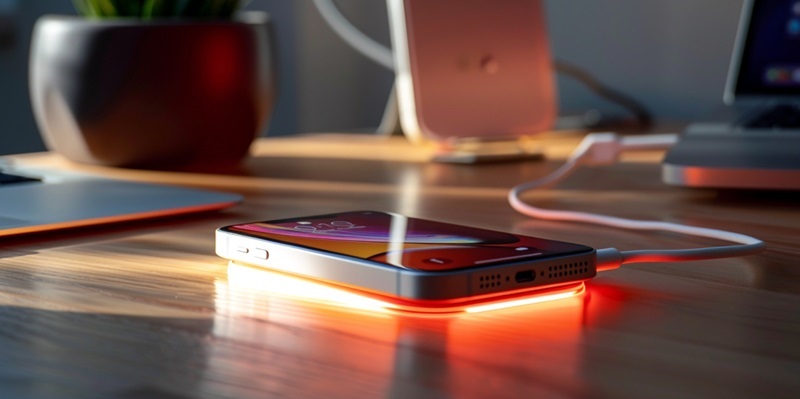
The iPhone 16 series is on the horizon, and with it comes the anticipation of tech enthusiasts for an upgrade in one of the most critical smartphone features: battery life. As these updates roll out, speculations gain momentum, hinting that Apple is poised to push the envelope even further in the realm of battery longevity. This potential enhancement is not just a minor upgrade—it could herald a new benchmark for the industry, shifting expectations for what users consider the norm for their mobile device’s endurance. Such a leap is integral for the day-to-day convenience that modern smartphone users demand, ensuring that their devices keep pace with their lifestyles without the constant need for recharging. If Apple delivers on these rumors, the iPhone 16 could set a new standard, reinforcing its position as a pioneer in the competitive smartphone market.
Rumored Battery Enhancements for iPhone 16
Leaks and predictions characterize the pre-release landscape of Apple’s iPhone 16 series, with sources pointing to a promising increase in battery life for most models. The expectations are high for the iPhone 16 Pro Max, iPhone 16 Pro, and the standard iPhone 16 model to provide users with larger battery capacities than their predecessors. This follows the trend that began with the iPhone 12 series, indicating Apple’s consistent efforts to meet consumer demands for smartphones capable of longer usage between charges.
Surprisingly, the iPhone 16 Plus might deviate from this trend, with hints at a smaller battery size compared to its forerunner. While Apple has yet to give official statements to explain this decision, speculation abounds. Could this be a trade-off for a sleeker design or enhancements in other areas such as processing power or display technology? Or does this forecast a leap in Apple’s battery efficiency, allowing for a smaller battery without compromising performance? The answers remain shrouded until Apple’s formal announcements shed light on the intricate balance they’ve struck between feature optimization and space constraints within the smartphone’s chassis.
The Industry’s Push for Longer Lasting Batteries
In the competitive smartphone arena, Apple is keenly focused on battery longevity, a feature highly valued by consumers. The company’s quest to extend battery life reflects broader tech advancements, such as next-gen solid-state batteries and smarter energy management. Yet, this pursuit grapples with sustainability concerns—battery disposal, ethical sourcing, and the handling of wear over time.
Apple’s journey into elevating battery performance is less about sheer numbers and more about advancing responsibly within technological limits. As the tech community eagerly anticipates Apple’s updates, the forthcoming iPhone 16 series could redefine expectations for smartphone battery endurance.
Enthusiasm mingles with caution as Apple stands on the brink of possibly introducing a breakthrough in battery technology with its latest iPhone iteration. The industry watches, ready for what could be a significant shift in the norms of smartphone power management and longevity.