

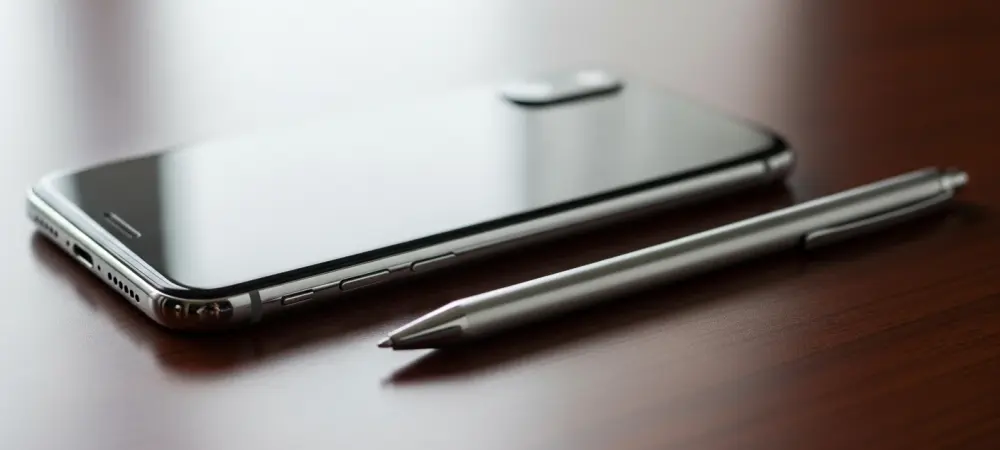
The decision to integrate a specialized hardware layer beneath a high-resolution display often forces a compromise between sophisticated functionality and the aesthetic pursuit of an increasingly slender chassis. In the lead-up to the next generation of premium mobile hardware, industry observers have closely monitored whether Samsung would prioritize the physical thickness of its flagship or the precise input capabilities that have defined its top-tier devices for years. Internal deliberations regarding the upcoming Galaxy S27 Ultra suggest that the company initially considered removing the dedicated digitizer to shave precious fractions of a millimeter from the total device depth. However, shifting market trends and technical feedback have led to a significant strategic pivot, ensuring that the legacy of the stylus remains central to the user experience. By choosing to retain the existing technology, the manufacturer acknowledges that its most loyal power users value the tactile reliability of a battery-free stylus over a marginally thinner form factor that might offer less utility. This reversal signals a broader industry realization that extreme slimness often reaches a point of diminishing returns for professional-grade productivity tools. Consumers in the current market have demonstrated a preference for robust feature sets that justify the premium price point of the Ultra series, rather than chasing a specific physical dimension at the cost of the iconic S Pen performance.
Hardware Strategy: The Persistence of Electromagnetic Resonance
Maintaining Electromagnetic Resonance (EMR) technology requires a specific hardware component known as a digitizer, a layer measuring approximately 0.3 millimeters that generates the necessary magnetic field for input detection. This specialized architecture allows the S Pen to operate without an internal power source for its primary writing functions, a characteristic that differentiates it from competitors who rely on Active Electrostatic (AES) systems. While AES technology would have permitted a thinner display assembly by shifting the power requirements to a battery-powered stylus, the logistical hurdle of charging the pen and the potential for increased latency discouraged the adoption of this alternative. Samsung also explored a theoretical hybrid model intended to eliminate both the digitizer and the stylus battery entirely, yet the technical maturity of such a system proved insufficient for the current release window. The choice to double down on EMR highlights a commitment to a proven ecosystem where the interaction between the pen and the screen remains seamless and predictable. This focus on functional longevity over experimental slimness reflects a calculated response to the performance demands of long-term users who utilize their devices as primary digital workstations.
The strategic pivot away from extreme thinness was largely informed by the market performance of rival devices that prioritized slim profiles at the expense of hardware versatility. During the current product cycle, consumer interest in ultra-thin smartphones, such as the iPhone Air and the Galaxy S25 Edge, remained surprisingly stagnant, as users encountered limitations in battery life and thermal management. These observations suggested that the market had reached a saturation point regarding physical dimensions, where further reductions in depth no longer provided a perceived benefit to the average buyer. By choosing to keep the 0.3mm-thick digitizer, the manufacturer avoided the pitfalls of compromising structural integrity or reducing internal battery capacity for a purely visual gain. This move aligns with a broader trend in the high-end mobile segment where professional users demand devices that can withstand intensive daily use without sacrificing core features. The decision reflects an understanding that a dedicated stylus remains a unique selling point that justifies a slightly thicker, more robust phone design. Choosing to prioritize functional reliability over a minimalist silhouette ensures the device remains a leader in the productivity niche.
Technical Hurdles: Balancing Connectivity and Precision
Beyond the physical constraints of the digitizer, engineering teams had to address complex technical challenges involving magnetic interference from modern charging standards. The electromagnetic field required for the stylus is notoriously sensitive to magnetic accessories and wireless charging protocols like Qi2, which can disrupt the accuracy of the pen. To resolve these issues for the next generation of hardware, designers implemented advanced shielding techniques and refined the sensor array to ensure compatibility with a wider range of peripherals. This technical refinement coincided with a significant update to the internal specifications, where the Ultra model was slated to receive a custom Snapdragon 8 Elite Gen 6 Pro chipset. This processor provides the necessary computational overhead to manage high-frequency stylus sampling while maintaining efficiency across the broader system. In contrast, the standard and Plus models transitioned toward an in-house 2nm Exynos 2600 processor, creating a clearer performance gap between the productivity-focused Ultra and the mainstream consumer options within the flagship lineup. This separation of hardware tiers allowed the manufacturer to optimize the Ultra model specifically for the specialized hardware required by the S Pen digitizer. Manufacturers ultimately realized that the longevity of professional hardware relied more on the quality of user interaction than on the aggressive pursuit of minimalist aesthetics. Engineering departments prioritized the development of more resilient electromagnetic layers that could coexist with high-power wireless charging coils and external magnetic mounts. This shift necessitated a new approach to internal space allocation, where developers maximized every cubic millimeter to support high-capacity batteries and advanced cooling systems. The industry moved toward a design philosophy that favored modular utility, ensuring that specialized components like the digitizer remained accessible for future iterations of mobile workstations. Looking forward, hardware strategists considered the integration of new sensing technologies that might eventually replace physical layers without losing the tactile benefits of current systems. The goal remained to provide a seamless transition between traditional handwriting and digital processing power. For those seeking the highest level of mobile productivity, selecting devices that balanced these specialized input methods with robust processing power became the standard recommendation for ensuring long-term hardware relevance.