

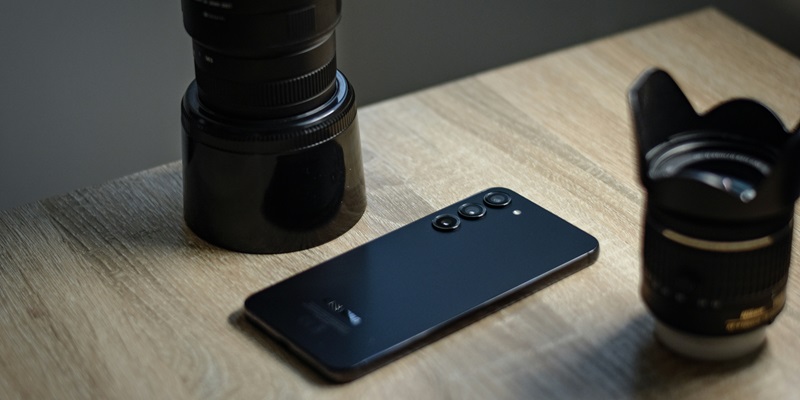
Later this year, tech enthusiasts can expect the highly anticipated release of Samsung’s new Galaxy S24 FE (Fan Edition) smartphone. This upcoming model is slated to replace the Galaxy S23 FE and follows the company’s consistent annual refresh cycle. Leveraging insights from industry analysts and credible leak sources, this article delves into the exciting details surrounding the Galaxy S24 FE, including color options, hardware specifications, and what this release means for the broader smartphone market.
Samsung’s Color Choices and Design Strategy
Insights from Ross Young on Color Options
Ross Young of Display Supply Chain Consultants (DSCC) has provided some intriguing information regarding the color choices for the Galaxy S24 FE. According to Young, Samsung plans to introduce the device in five different colors: black, grey, light blue, light green, and yellow. Among these, black is expected to be the most prevalent, which suggests that Samsung is adhering to a more traditional design approach. This variety in color options indicates a strategic effort by Samsung to appeal to a broader range of consumers, offering something for everyone from the conservative to the more fashion-forward.
Young’s reliability in forecasting color options adds weight to these claims. He has a history of accurately predicting details about upcoming Samsung devices, making his insights particularly credible. The proposed color palette not only diversifies the product lineup but also aligns with current market trends where customization and personalization are highly valued by consumers. This blend of traditional and vibrant color options aims to attract a wide array of tech enthusiasts, from first-time buyers to long-time Samsung fans.
Predicted Hardware Specifications
When it comes to performance, the Galaxy S24 FE is expected to come with robust hardware specifications. Reports suggest that the device will feature 8 GB of RAM and an underclocked Exynos 2400 chipset. This combination appears to strike a balance between performance and efficiency, making it suitable for mainstream consumers who demand both reliability and speed. By opting for an underclocked chipset, Samsung might be aiming to enhance battery life without drastically compromising on performance, which has been a critical concern for many users.
The 8 GB of RAM will likely ensure smooth multitasking capabilities, catering to the needs of modern users who rely on their smartphones for various tasks such as gaming, streaming, and productivity. This hardware setup positions the Galaxy S24 FE as a versatile device capable of meeting the diverse requirements of its user base. The underclocked Exynos 2400 chipset, in particular, suggests that Samsung is investing in optimizing the user experience, potentially addressing any overheating issues that could arise from prolonged usage.
Annual Release Schedule and Market Dynamics
Consistency in Samsung’s Annual Release Cycle
One of the most notable aspects of Samsung’s strategy with the Galaxy S24 FE is the continuation of its annual release schedule for the ‘Fan Edition’ series. This predictable cycle not only helps maintain consumer interest but also establishes a sense of reliability and consistency within the brand. By sticking to an annual refresh, Samsung can keep its product lineup fresh and exciting, offering incremental updates that entice users to upgrade or switch to their devices. This approach has proven effective in sustaining long-term consumer engagement and loyalty.
The Galaxy S24 FE is designed to target mainstream consumers, balancing performance and aesthetics to meet everyday needs. The consistent release of ‘Fan Edition’ models serves as an effective strategy to capture a wider market share by offering high-quality features at a more accessible price point compared to flagship devices. This predictability and reliability in product launches build anticipation and excitement within the tech community, fostering a culture of continual improvement and innovation.
Broader Market Implications
Later this year, tech enthusiasts are eagerly awaiting the much-anticipated release of Samsung’s latest addition to its smartphone lineup: the Galaxy S24 FE (Fan Edition). Set to replace the current Galaxy S23 FE, this new model adheres to Samsung’s reliable yearly refresh cycle, ensuring that users always have access to the latest innovations. Drawing from insights provided by industry analysts and credible leak sources, this article explores the exciting features and enhancements of the Galaxy S24 FE.
Among the most talked-about aspects are the available color options, which promise to cater to a variety of tastes. Additionally, the hardware specifications are expected to see significant upgrades, potentially setting a new benchmark in the mid-range smartphone market. The release of the Galaxy S24 FE is not just another product launch; it signifies Samsung’s ongoing commitment to blending cutting-edge technology with customer-centric designs. This release could have far-reaching implications, affecting market trends and shaping consumer expectations in the broader smartphone industry.