

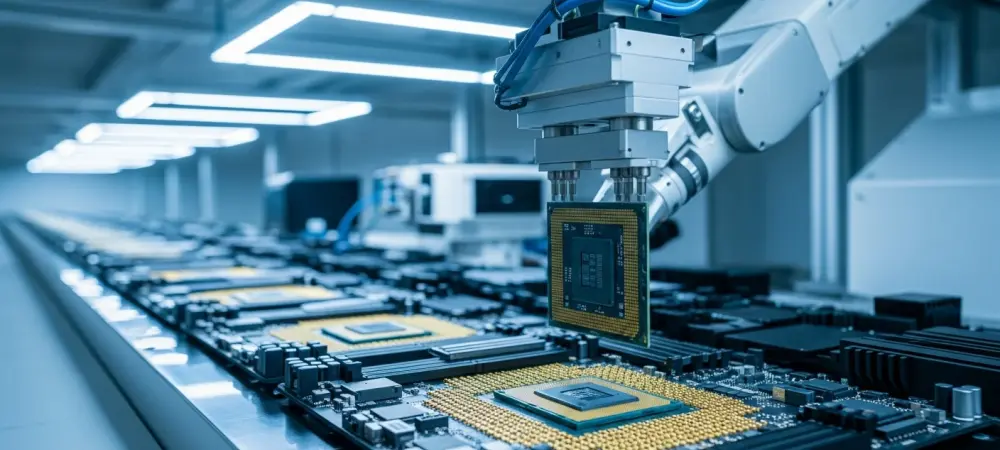
The integration of sophisticated large language models directly into mobile hardware has fundamentally shifted how consumers perceive the value and utility of their smartphones. As the industry moves toward the highly anticipated launch of the iPhone 18, the conversation has pivoted from simple camera upgrades to the massive computational power required to run autonomous agents and real-time generative tasks locally. This evolution demands a significant leap in silicon architecture, requiring more complex Neural Engine designs and a substantial increase in unified memory to ensure that privacy-focused processing remains efficient. While previous years focused on incremental refinements, the current shift toward ubiquitous on-device intelligence places immense strain on supply chains already grappling with rising material costs. Manufacturers are now forced to balance the desire for cutting-edge capabilities with the economic reality of maintaining profit margins in a market where component prices for advanced semiconductors have reached unprecedented levels. This tension suggests that the standard pricing tiers established over the last few cycles may no longer be sustainable as hardware specifications evolve to meet the software’s ambitious roadmap.
The Economic Reality: Advanced Silicon Costs
Hardware Requirements: Memory and Fabrication
The transition to more capable artificial intelligence features has necessitated a drastic overhaul of the internal hardware architecture found in the latest smartphone iterations. To handle the billions of parameters associated with modern language models without relying on cloud servers, the iPhone 18 is expected to require a baseline of at least 12 gigabytes of RAM across all models, a significant jump from the standards of previous generations. This requirement directly impacts the bill of materials, as high-bandwidth memory chips are currently in high demand across the entire tech sector, from data centers to automotive manufacturers. Furthermore, the move toward a more advanced 2-nanometer fabrication process by TSMC introduces higher production risks and lower initial yields, which historically correlates with higher per-unit costs for the processor itself. When the price of the core brain of the device rises, Apple must decide whether to absorb these costs or pass them on to a premium consumer base that expects peak performance. These technological hurdles represent a fundamental shift in the cost structure of mobile devices, where silicon now accounts for a larger percentage of the total manufacturing expense than ever before.
Thermal Engineering: Structural and Material Expenses
Beyond the raw cost of the silicon itself, the secondary physical components required to support these powerful processors add another layer of financial complexity to the production cycle. High-performance artificial intelligence tasks generate substantial heat, which can lead to thermal throttling and a degraded user experience if not managed properly through advanced cooling solutions. Integrating more sophisticated vapor chambers or enhanced graphite thermal spreaders requires both additional physical space within the chassis and more expensive materials, further inflating the manufacturing budget. These hidden costs often go unnoticed by the average user but are critical for maintaining the peak performance levels necessary for seamless real-time translation and image generation. As the hardware becomes more specialized to handle the specific workloads of generative AI, the simplicity of the assembly process diminishes, leading to higher labor costs and more rigorous quality control measures during the final manufacturing stages. The combination of expensive cooling substrates and complex internal layouts creates a compounding effect on the final retail price, challenging the traditional affordability of the base models.
Market Strategy: Value and Longevity
Strategic Pricing: Balancing Innovation and Accessibility
The shifting landscape of mobile technology suggests that traditional hardware sales might soon be complemented by new revenue streams to offset the rising costs of physical components. Many industry analysts have observed that the increased overhead for high-end hardware could lead to a two-tiered pricing strategy where the most advanced AI features are locked behind a Pro-tier paywall or a subscription-based model. This approach would allow the manufacturer to maintain a stable entry price for the base iPhone 18 models while targeting enthusiasts with premium hardware that justifies a higher initial investment through superior performance. Such a strategy would mirror the current trend in software services, where users pay a premium for access to higher-capacity models or faster processing times in the cloud. By diversifying income through a mix of high-margin hardware and recurring software revenue, the company can mitigate the risks associated with the volatile costs of semiconductors and the increasingly expensive research and development cycles. This strategic pivot highlights a move toward viewing the smartphone not just as a piece of hardware, but as a portal to a proprietary ecosystem of intelligent services.
Future Considerations: Actionable Steps for Consumers
Looking ahead to the upcoming release cycle, consumers should have prepared for a potential shift in how they budget for their next device purchase by exploring aggressive trade-in programs or long-term financing options. The historical data indicated that as technology matured, prices tended to stabilize; however, the radical shift toward generative AI disrupted this cycle by demanding hardware capabilities that were previously reserved for high-end workstations. Prospective buyers could have mitigated the impact of these price hikes by prioritizing models that offered the best longevity through extended software support and robust hardware specifications. It was also advisable for users to evaluate their actual need for localized AI features versus cloud-based alternatives, as this distinction often determined the necessity of upgrading to the most expensive hardware configurations. By focusing on the total cost of ownership over several years rather than just the initial sticker price, early adopters were able to navigate the rising costs associated with the AI boom while still benefiting from the transformative power of modern mobile intelligence. Strategic planning allowed for a more sustainable approach to upgrading in an era of rapid technological acceleration.