

Dominic Jainy is a highly regarded IT professional with vast expertise in artificial intelligence, machine learning, and blockchain technologies. Today, we delve into Apatura’s ambitious plans for a new data center campus on the Scottish border. With Dominic’s keen insights, we’ll uncover the intricacies involved in developing such large-scale infrastructure, exploring the environmental and community impacts while examining Scotland’s growing significance in the data center landscape.
Can you provide an overview of Apatura’s proposed data center campus on the Scottish border?
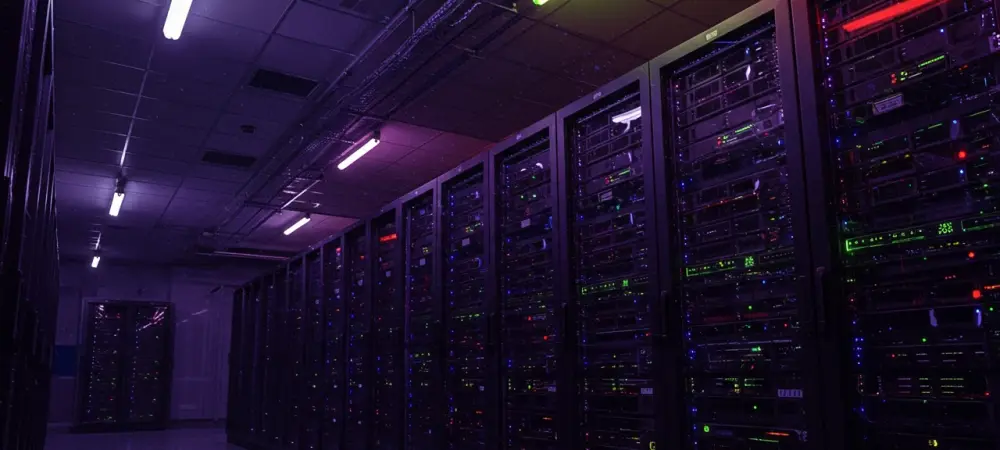
The proposed data center campus by Apatura is quite a groundbreaking venture, aiming to leverage cutting-edge energy infrastructure to support the growing digital economy. Positioned north and east of Stainrigg Mains Farm in Coldstream, the development spans 69 hectares, promising infrastructure that incorporates a substantial 300MW capacity data center. This encompasses large data center buildings and advanced systems like a 500MW Battery Energy Storage System.
What specific factors led Apatura to choose the location north and east of Stainrigg Mains Farm in Coldstream for the data center campus?
Location choice is strategic for Apatura. Coldstream offers both geographical advantages and logistical feasibility. Being on the northwest border with England, it lends itself well to connectivity opportunities, enabling dual benefits of serving the Scottish and broader UK digital infrastructure market. Additionally, greenfield land provides ample space for the planned expansive development without encumbrances from existing structures.
Could you explain what a 300MW data center entails in terms of infrastructure and capacity?
A 300MW data center is substantial in scale, with the capacity to host a significant number of servers and support high computational demand. This involves sophisticated infrastructure, including robust cooling systems and energy-efficient designs to manage the large volume of power usage effectively. A 300MW facility can drive vast data processing capabilities, serving multiple industries and providing a backbone for digital services.
What are the anticipated benefits and challenges associated with building on the 69 hectares of greenfield land?
Building on greenfield sites offers considerable benefits like flexibility in design and the possibility to integrate renewable energy innovations from the ground up. However, it also brings challenges, particularly concerning environmental considerations and community engagement. Ensuring minimal disruption to local ecosystems and gaining social license for the construction are critical factors Apatura will need to address.
How does the company plan to integrate the 500MW Battery Energy Storage System (BESS) into the data center operations?
Integration of the BESS is crucial for enhancing the reliability and efficiency of the data center operations. The storage system will play a significant role in stabilizing energy supply, potentially storing energy from peak production periods and distributing it as needed during high-demand phases. This ensures consistent operation and can mitigate risks related to fluctuating energy availability.
What are the key features of the planned roof-mounted solar photovoltaic system, and how will it contribute to the energy needs of the campus?
The roof-mounted solar photovoltaic system is designed to harness solar energy effectively, contributing renewable energy directly to the data center operations. This setup is intended to reduce dependency on traditional energy sources, lowering operational costs while promoting sustainability. Solar panels will generate power on-site, supporting the center’s energy needs efficiently throughout its lifecycle.
How does Apatura plan to address environmental concerns, particularly given that an Environmental Impact Assessment wasn’t deemed necessary by the Scottish Borders Council?
Despite the decision against a formal Environmental Impact Assessment, Apatura seems committed to thorough environmental safeguarding. They plan to engage in extensive ecological assessments and consultations with environmental experts to ensure that their developments align with best practices in sustainability and minimize ecological footprints.
Could you share more details about Apatura’s 10.6GW portfolio of grid-secured energy projects?
Apatura’s extensive portfolio reflects its significant role in energy infrastructure development. With 10.6GW secured, the projects strategically align with grid requirements to bolster energy capacity for data centers. This includes various grid connections that enable sustainable energy sourcing while supporting the digital economy’s expansion efficiently.
How does Apatura’s approach to energy infrastructure development differentiate it from other companies in the industry?
Apatura sets itself apart through its holistic approach, integrating renewable energy solutions into its data center developments. Unlike companies that may focus solely on conventional energy mechanisms, Apatura emphasizes sustainability and innovation, blending modern technologies like BESS and solar photovoltaics to create resilient and eco-friendly infrastructure.
Can you elaborate on the progress and objectives of the other data center sites Apatura is developing across the country?
Apatura’s ambition extends beyond the Coldstream project. They’ve planned multiple sites throughout Scotland, each differing in scale and scope. Some objectives include tapping into renewable resources and reusing existing industrial zones, like the proposed data center on a former coal site. These moves indicate a strategic intent to bolster Scotland’s landscape with diversified digital infrastructure hubs.
What timeline does Apatura anticipate for obtaining full planning permissions for the Coldstream site?
While specific dates might not be pinpointed, Apatura envisions a rigorous planning process over the coming months. Achieving full permissions involves detailed documentation and community engagements to address planning queries, with construction projected to commence post-approval and span approximately three years until completion.
Could you discuss Apatura’s strategy and vision for data center development in Scotland in the long term?
Long-term, Apatura aims to position Scotland as a leader in data center capability by capitalizing on its infrastructural, geographical, and regulatory strengths. The vision includes nurturing innovation while integrating sustainable practices, thereby making the region a digital powerhouse, facilitating modern technological advancements across various sectors.
How does the proposed development tie into Scotland’s broader strategic initiatives to position itself as a prime location for data centers?
The development reinforces Scotland’s strategic focus on becoming a digital hub by leveraging its natural advantages—like renewable energy potential—and supportive policies. By aligning with government campaigns to enhance infrastructure, Apatura contributes to realizing the vision of Scotland as a preferred destination for data centers worldwide.
How will the data center campus impact the local community in Coldstream regarding employment and economic growth?
This development presents significant opportunities for Coldstream’s community. The data center will likely generate employment across construction, technology, and maintenance sectors. Additionally, infrastructure enhancement attracts subsequent business interest, propelling local economic growth and uplifting community standards sustainably.
How does Apatura ensure that their development work aligns with the interests and needs of local stakeholders?
Collaboration is key to Apatura’s stakeholder strategy. Through active dialogue with local councils and community groups, Apatura strives to integrate feedback into planning and operations. They intend to foster partnerships that prioritize local needs, ensuring the development’s socio-economic benefits align with stakeholders’ expectations.
What role does the real estate affiliate of UK potato supplier Albert Bartlett play in the potential data center development at Airdrie, if any?
Albert Bartlett’s affiliate is intriguing within this context, as it signifies diversified interest from established businesses in the tech space. This involvement suggests potential collaboration opportunities or land procurement interests, aligning with Apatura’s broader development strategies across the region.
Could you provide insights into the competitive landscape for data centers in Scotland and how Apatura plans to maintain a competitive edge?
Scotland’s data center arena is competitive, with firms like DataVita expanding operations. Apatura maintains its edge by focusing on innovative energy solutions, skilled workforce engagement, and diversified site locations, enabling it to fulfill complex data needs efficiently and sustainably amidst growing demand.
What are some of the successful elements from the recent development of data centers, like the one in Glasgow by DataVita, that Apatura might incorporate into its own projects?
Learning from successful peers, Apatura might embed decentralized energy systems and innovative cooling solutions that DataVita exemplified. Furthermore, incorporating adaptive designs to leverage existing infrastructure and local expertise is crucial for scalable and responsive data center models.
Do you have any advice for our readers?
For anyone looking into renewable energy or digital infrastructure development, I’d recommend keeping abreast of technological advancements and sustainability trends. Embracing innovation and thorough stakeholder engagement are fundamental for successful and responsible project execution in these emergent sectors.