

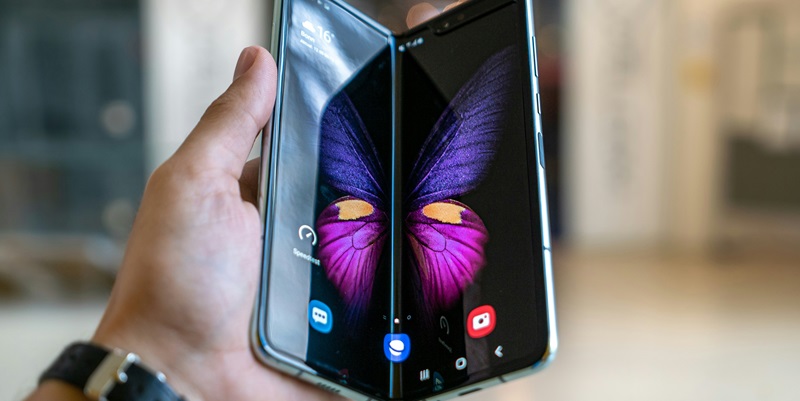
Samsung’s latest foldable phone, the Galaxy Z Flip6, has made a strong entry into the market with its global release on July 10, 2024. Being touted as a fierce competitor to Motorola’s Razr 50 Ultra, the Galaxy Z Flip6 boasts a myriad of hardware upgrades that reinforce Samsung’s dominance in the clamshell foldable market outside China. While bearing a design similar to its predecessor, the Galaxy Z Flip5, the new model offers notable enhancements, promising users a significantly improved experience.
Robust Performance and Battery Life Enhancements
Qualcomm Snapdragon 8 Gen 3 for Galaxy Chipset
A significant upgrade in the Galaxy Z Flip6 is its use of Qualcomm’s Snapdragon 8 Gen 3 for Galaxy chipset, which sets it apart from the Galaxy Z Flip5. This advanced chipset is expected to provide enhanced performance, ensuring smoother multitasking and a more responsive user experience. Combined with a 4,000 mAh battery, the Galaxy Z Flip6 is designed to deliver longer runtimes, which is crucial for users who rely heavily on their devices throughout the day.
The 8% increase in battery capacity from its predecessor enhances the device’s longevity, which is already generating positive reactions among tech enthusiasts. This combination promises users a more efficient and reliable device, addressing one of the critical concerns of foldable phone users. Samsung’s decision to pair this powerful chipset with a larger battery demonstrates its commitment to enhancing the performance and practicality of its foldable phones.
Upgraded Camera Capabilities
The camera system on the Galaxy Z Flip6 also sees substantial improvements, featuring a 50 MP primary sensor likely borrowed from the Galaxy S24. This is a notable upgrade from the previous model, promising higher quality photos and videos. The 10 MP front-facing camera and the 12 MP ultra-wide-angle camera remain the same, ensuring users continue to enjoy versatile photography options.
The increased resolution of the primary camera will particularly benefit users who demand high photographic quality from their smartphones. These improvements underscore Samsung’s strategy of integrating high-end features from its flagship models into its foldable devices. With enhanced camera capabilities, the Galaxy Z Flip6 aims to set a new standard in foldable phone photography, appealing to both casual users and photography enthusiasts.
Design Familiarity with Significant Internal Upgrades
Retaining the Classic Foldable Design
Despite the numerous internal upgrades, the Galaxy Z Flip6 maintains a design heavily reminiscent of the Galaxy Z Flip5. Weighing approximately 187 grams and retaining similar dimensions, the device offers a familiar feel to its users. The foldable and cover displays remain unchanged, enabling Samsung to uphold a sleek and functional design that has been well-received in previous models.
However, Samsung continues to face criticism for persistent limitations. The lack of Samsung DeX support and the inability to open unapproved apps on the cover display without using Samsung’s Good Lock customization service are seen by some as drawbacks. These constraints might deter users looking for a more open and versatile experience, highlighting areas where Samsung’s foldable technology could further evolve.
Color Options and Storage Variants
The Galaxy Z Flip6 is available in multiple color options, offering users a chance to personalize their device. It comes equipped with 12 GB of RAM and offers two storage variants: 256 GB and 512 GB, priced at €1,199 and €1,319 respectively. These storage options provide ample space for apps, media, and other data, catering to the needs of diverse users.
The choice of multiple color options is a strategic move by Samsung to cater to different aesthetic preferences. Additionally, the substantial RAM and storage options ensure that the device can handle demanding applications and large amounts of data with ease. Despite the persistent limitations, these features make the Galaxy Z Flip6 an attractive option for users seeking a high-performance foldable phone with ample customization possibilities.
Samsung’s Strategic Approach and Market Position
Incremental yet Impactful Upgrades
The Galaxy Z Flip6 embodies Samsung’s strategic approach of combining design familiarity with meaningful internal upgrades. By integrating a more powerful chipset, a larger battery, and improved camera capabilities, Samsung continues to refine its foldable technology without resorting to radical changes. This approach allows Samsung to maintain its market dominance while addressing key user demands and enhancing the overall experience.
By ensuring that the Galaxy Z Flip6 delivers both performance and aesthetic appeal, Samsung reaffirms its commitment to leading the foldable phone market amidst growing competition. The enhancements made to the Galaxy Z Flip6 highlight Samsung’s ability to innovate and adapt, further solidifying its position as a top player in the industry.
Competition with Motorola’s Razr 50 Ultra
Samsung’s latest foldable phone, the Galaxy Z Flip6, has made a significant splash with its worldwide launch on July 10, 2024. Positioned as a formidable competitor to Motorola’s Razr 50 Ultra, the Galaxy Z Flip6 is packed with numerous hardware upgrades, reinforcing Samsung’s leadership in the clamshell foldable market beyond China. Despite its striking resemblance to the Galaxy Z Flip5, the new model brings substantial improvements that promise a markedly better user experience.
The Galaxy Z Flip6 features a more robust hinge mechanism, offering enhanced durability and smoother operation. Additionally, it boasts an upgraded display with higher resolution and better brightness, providing clearer and more vibrant visuals. Its battery life has also seen improvements, allowing for longer usage without frequent recharging. The camera system has been refined, delivering sharper images and more advanced features for photography enthusiasts. These enhancements collectively make the Galaxy Z Flip6 a standout option for those seeking cutting-edge technology in a sleek, foldable form factor.