

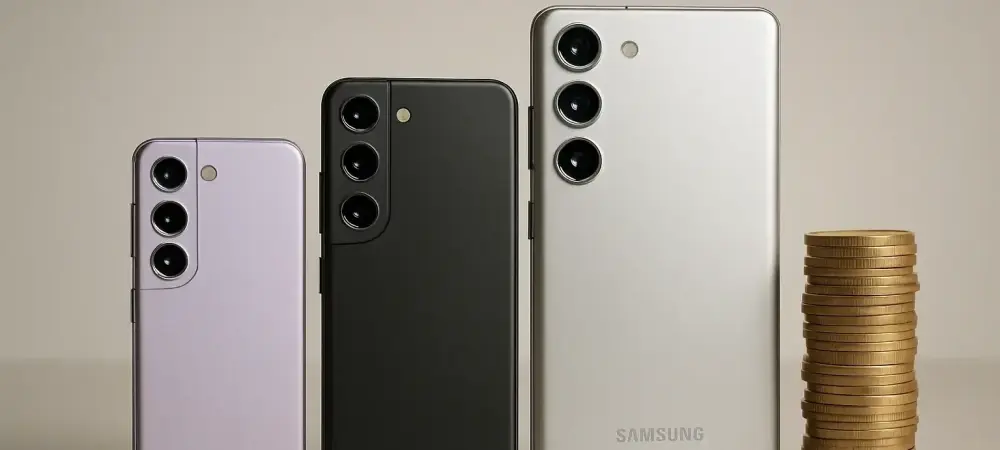
As the tech world eagerly anticipates the launch of Samsung’s flagship smartphones in 2026, whispers of a potential price increase for the Galaxy S26 series have started to circulate, stirring curiosity and concern among fans and industry watchers alike. With models like the Galaxy S26, S26 Plus, and S26 Ultra on the horizon, the question of affordability looms large. Reports from South Korean media have pointed to mounting production costs and external economic pressures as key drivers behind these speculations. While Samsung has historically strived to keep flagship pricing stable, the landscape of rising component expenses and geopolitical factors could force a shift in strategy. This ongoing debate sets the stage for a deeper exploration into whether consumers might need to brace for a heftier price tag when the next generation of Galaxy devices hits the shelves. The tension between innovation, cost, and market competitiveness promises to shape this narrative in intriguing ways.
Unpacking the Rising Costs Behind the Galaxy S26 Series
Delving into the heart of the matter, the primary catalyst for a possible price hike in the Galaxy S26 series appears to be the escalating cost of essential components. Camera hardware and mobile chipsets, critical to delivering cutting-edge performance, have reportedly seen price surges of 8% and 12% respectively over recent times. Moreover, the cost of LPDDR5 RAM, a staple in high-end smartphones, has jumped by over 15%, adding further strain on production budgets. Samsung is expected to outfit the S26 lineup with advanced processors like the Exynos 2600 or Snapdragon 8 Elite Gen 5, depending on regional markets, and these top-tier chipsets come with a premium. Beyond internal expenses, external pressures such as U.S. tariffs complicate the financial equation, potentially nudging Samsung toward adjusting retail prices. While these figures paint a challenging picture, they reflect broader industry trends where technological advancements often come at a steep cost. How Samsung navigates this terrain could redefine expectations for flagship pricing in 2026.
Learning from Past Pricing Strategies
Turning to history for clues, Samsung’s approach to the Galaxy S25 series offers a fascinating counterpoint to current speculations about the S26 lineup. Despite predictions of significant price increases for the S25 models due to the costly Snapdragon 8 Elite chipset, Samsung ultimately absorbed the higher production expenses, keeping retail costs aligned with the preceding Galaxy S24 series. This decision showcased a consumer-friendly stance, prioritizing accessibility over immediate profit margins. However, with cost pressures intensifying for the upcoming devices, the question remains whether Samsung will repeat this gesture or opt for a modest uptick in pricing to balance the books. Industry insights suggest a growing inevitability of price adjustments, yet Samsung’s track record hints at a reluctance to burden buyers unnecessarily. Reflecting on these past choices, it becomes clear that the company faced a delicate dance between maintaining market share and covering escalating costs—a dance that shaped consumer trust in the brand.