

The economic strain of a ransomware attack extends far beyond cryptocurrency payments to include the long-term erosion of a brand’s market reputation. As the global population continues to expand in 2026, the efficiency of our food systems relies heavily on automated logistics and real-time data processing. However, this digital dependency creates a paradox where a single line of malicious code can potentially halt the production of millions of tons of grain or dairy. When a large-scale meat processor or a grain cooperative is sidelined by encryption, the ripples are felt almost instantly at the retail level. The vulnerability is not merely a matter of lost corporate profits; it is a fundamental threat to the basic stability of the global food supply. This situation is further complicated by the fact that many agricultural enterprises operate on thin margins, leaving little room for the significant capital investments required to overhaul legacy digital infrastructures that were never intended to withstand modern cyber warfare tactics.
The Expanding Attack Surface of Food Production
Interconnected Risks within the Supply Chain
The agricultural landscape has transformed into a complex web of stakeholders, ranging from small-scale family farms to massive multi-national food processors and global retailers. This interconnectedness means that a security breach at a single point can trigger a catastrophic domino effect across the entire continent. Many small and medium-sized enterprises within this chain operate with limited cybersecurity budgets, often relying on outdated hardware and software that lacks modern protection. These entities are frequently the weakest link that sophisticated hacker groups exploit to gain entry into larger, more lucrative networks. The integration of precision farming tools and automated inventory management has significantly expanded the attack surface, providing numerous entry points for malicious actors. Without a standardized security protocol across all levels of the supply chain, the risk of a systemic failure remains high, as the failure of one vendor can halt the operations of dozens of downstream partners.
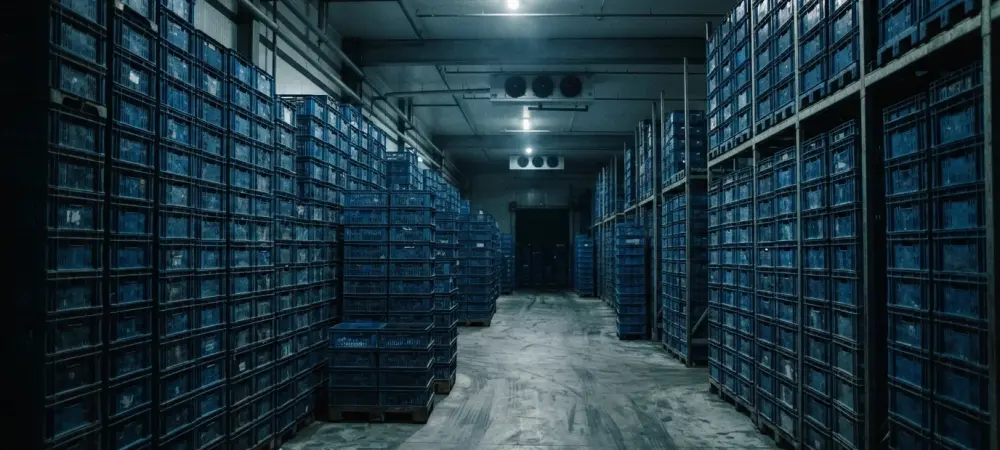
Operational paralysis is perhaps the most immediate and visible consequence of a successful ransomware deployment in the agricultural sector. Because the industry relies on just-in-time logistics to manage perishable goods, even a twenty-four-hour delay in processing can lead to massive food spoilage and waste. For instance, if a refrigeration system’s digital controls are locked, entire shipments of meat or produce may become unfit for consumption. This physical loss of product compounds the financial damage, as insurance claims and disposal costs quickly mount. Furthermore, the disruption of planting or harvesting schedules can have long-term effects on crop yields that last through the 2026 to 2028 growing seasons. When specialized machinery, such as autonomous tractors or robotic harvesters, is compromised, the manual labor required to replace those systems is often unavailable or prohibitively expensive. The resulting scarcity drives up prices for consumers, potentially leading to regional food shortages and increased social instability.
Technologic Fragility in Precision Farming
The adoption of the Internet of Things (IoT) in agriculture has brought undeniable efficiency gains, but it has also introduced a host of new vulnerabilities. Smart irrigation systems, greenhouse climate monitors, and soil sensors are often designed with functionality in mind rather than security. Many of these devices lack the processing power to run robust encryption or multi-factor authentication, making them easy targets for botnets or lateral movement within a network. If a malicious actor gains control over these environmental systems, they can intentionally sabotage crops by altering water levels or temperature settings. This type of digital sabotage is particularly insidious because it may not be immediately apparent to human operators until the damage is already irreversible. As the industry moves toward greater reliance on these technologies throughout 2026, the need for security by design becomes paramount. Manufacturers must prioritize the hardening of these peripheral devices to prevent them from becoming the primary vector for ransomware attacks.
Beyond simple operational disruption, cybercriminals are increasingly employing double extortion tactics against agricultural firms. In these scenarios, the attackers not only encrypt the victim’s data but also exfiltrate sensitive information, such as proprietary seed genetics, financial records, and supplier contracts. They then threaten to leak this data publicly unless an additional ransom is paid. For a sector that thrives on competitive advantages and proprietary research, such a leak can be devastating. It erodes the trust between partners and can lead to the loss of intellectual property that took decades to develop. Moreover, the threat of regulatory fines for data breaches adds another layer of financial pressure to an already stressed industry. The psychological impact of these attacks cannot be understated, as executives are forced to weigh the cost of the ransom against the potential total destruction of their business’s reputation. This multifaceted pressure makes the agricultural sector an incredibly attractive target for professionalized cybercrime syndicates.
Strategic Defensive Measures for National Security
Engineering a Resilient Cyber Architecture
To counter the escalating threat of ransomware, the agricultural industry must move toward a more proactive and unified security posture. Technical experts agree that defensive measures such as multi-factor authentication and consistent software patching are no longer optional. However, the most critical component of a resilient architecture is the maintenance of air-gapped, offline backups. Having a verified copy of essential data that is physically disconnected from the network is the only guaranteed way to recover systems without negotiating with criminals. This approach requires a shift in mindset from if an attack happens to when an attack happens, focusing on recovery speed as much as prevention. Implementing a zero-trust architecture, where every user and device must be continuously verified, can also significantly limit the lateral movement of an intruder once they have breached the perimeter. By segmenting networks, companies can isolate critical production systems from standard office environments, ensuring that a compromised account does not lead to a total shutdown.
Technical solutions are only half the battle; fostering a culture of cyber hygiene among the workforce is equally essential. Phishing remains the primary delivery method for ransomware, often using sophisticated social engineering tactics to trick employees into clicking malicious links or providing credentials. Regular training sessions and simulated phishing exercises can help staff recognize these threats before they compromise the network. Furthermore, every organization within the food supply chain should have a comprehensive incident response plan that is regularly tested through tabletop exercises. This plan must outline clear communication channels, legal obligations, and technical steps to be taken in the immediate aftermath of a breach. When employees at every level understand their role in cybersecurity, the overall resilience of the organization increases exponentially. This human-centric approach turns every worker into a potential sensor for unusual activity, providing an additional layer of defense that automated systems might miss.
Collaborative Intelligence and Regulatory Frameworks
The scale of the ransomware threat is too large for any single company to tackle in isolation. Collaborative efforts between government agencies and private stakeholders are essential to creating a resilient framework capable of withstanding the evolving tactics of cyber adversaries. Sharing threat intelligence in real-time allows organizations to learn from the experiences of others and implement defenses against new malware strains before they are targeted. Public-private partnerships can also facilitate the development of industry-wide security standards that ensure even the smallest suppliers meet a minimum level of protection. In 2026, many governments are beginning to view the agricultural supply chain as critical infrastructure on par with the energy and water sectors. This designation can lead to increased federal funding for cybersecurity audits and the deployment of advanced monitoring tools. By treating food security as a national security issue, policymakers can help bridge the resource gap that currently leaves many agricultural producers vulnerable to foreign interference.
Long-term investment in cybersecurity must be viewed as a foundational element of modern farm management rather than an optional IT expense. As the industry continues to integrate advanced technologies such as artificial intelligence and blockchain for traceability, the complexity of protecting these systems will only increase. Investors and insurers are also starting to demand more transparency regarding cyber risk management, often making it a prerequisite for funding or coverage. This economic pressure is a powerful motivator for companies to prioritize security upgrades and hire specialized talent. Looking forward from 2026 to 2030, the successful agricultural firms will be those that have successfully woven digital resilience into their operational DNA. The goal is to create a herd immunity within the food supply chain, where the collective defenses are so robust that the cost of an attack outweighs the potential reward for the criminal. Achieving this state requires a sustained commitment to innovation and cooperation across all sectors of the global economy.
Strengthening Global Food Resilience through Action
The protection of the agricultural supply chain from ransomware emerged as a vital component of safeguarding the global food supply. Stakeholders recognized that waiting for a major disaster to occur was no longer a viable strategy in an era of sophisticated digital warfare. To address these challenges, organizations prioritized the implementation of immutable backups and established rigorous incident response protocols. They also invested heavily in workforce education to mitigate the risks associated with human error and social engineering. Collaborative threat-sharing platforms became standard practice, allowing for a more unified response to emerging dangers. Policymakers and industry leaders worked together to ensure that security standards were applied consistently across all levels of production. By treating cybersecurity as a core pillar of food security, the industry took the necessary steps to ensure the continuity of essential production. These proactive measures ultimately transformed the sector’s digital infrastructure into a resilient fortress capable of withstanding future disruptions.