

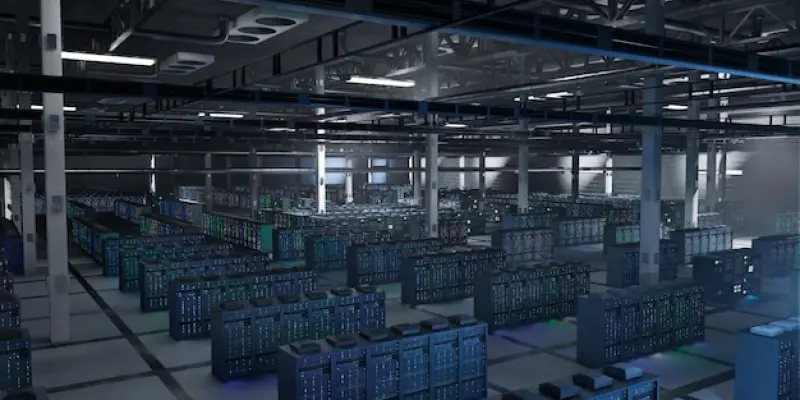
In Kansas City, a significant transformation is underway that could reshape not just the city’s skyline but its economic landscape as well. Managed by the city’s Board of Public Utilities, the station sits on a sprawling 85-acre site owned by the Unified Government of Wyandotte County/Kansas City. PowerTransitions, a firm committed to sustainable development, seeks to turn this site into a state-of-the-art data center. This project isn’t merely about repurposing a vacant building, but aims to harness existing infrastructure to create a high-powered digital hub. With plans for the data center to consume 192MW of power annually over the next two decades, it represents a marriage between old infrastructure and new technology.
Challenges and Considerations
Transforming the Quindaro plant into a functional data center is not without its challenges. PowerTransitions faces the significant hurdle of environmental cleanup, with estimated remediation costs sitting around $20 million, primarily due to asbestos and hazardous waste removal. These costs significantly outstrip the current property valuation of $13.6 million, highlighting the financial and logistical challenges inherent in such a project. To address this, local authorities contemplate debt financing to aid redevelopment efforts. Acquiring the necessary funds and approvals is crucial for enabling this ambitious venture. The site needs to undergo extensive demolition, followed by the installation of cutting-edge data center infrastructure that aligns with the power consumption needs outlined by PowerTransitions. This conversion offers a tangible opportunity to contribute to sustainable development, a goal becoming increasingly important in today’s rapidly evolving landscape.
A Broader Trend in Technological Development
PowerTransitions is embracing a growing industry trend by transforming defunct industrial sites into vital data centers. These centers are crucial for enhancing digital connectivity; they ensure dependable storage and processing for the vast amounts of data generated across different sectors. Amid ongoing supply chain issues that delay new constructions, tapping into existing infrastructures offers a strategic advantage. The Quindaro project promises readiness in two to three years—far quicker than building new facilities from scratch. Together with EnCap Investments, PowerTransitions is leading this shift by repurposing old sites with existing power connectivity into cutting-edge data infrastructures. This strategy champions resource sustainability and environmental stewardship, crucially addressing the growing digital demands of our era. Urban development is now driven by adapting existing infrastructures for technological progress, potentially setting a blueprint for similar projects that marry economic growth with sustainable practices, despite looming financial and logistical hurdles.