

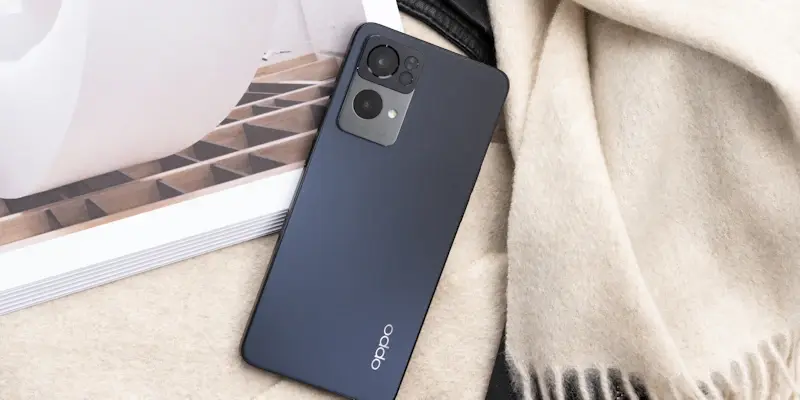
The upcoming launch of Oppo’s Find X8 Ultra is poised to be a game changer in the world of flagship smartphones, with industry watchers keenly anticipating how it will stack up against leading competitors like the Samsung Galaxy S25 Ultra. Initially, rumors suggested that the Find X8 Ultra would closely follow the design template of the OnePlus 13, featuring a “2K ProXDR” 120Hz OLED screen. This information was widely accepted until recent leaks revealed a significant design shift. Oppo’s decision to abandon the anticipated curved display in favor of a completely flat 6.82-inch front panel, mirroring the aesthetics of high-end iPhones, marks a bold move in design philosophy. The implementation of state-of-the-art “LIPO” technology to reduce bezel size further accents this eye-catching change.
Design Evolution and Market Impact
This design alteration is not merely superficial. A flat screen offers both practical and aesthetic advantages, making the Find X8 Ultra slimmer than its bulkier predecessor, the Find X7 Ultra. The ergonomic benefits of a flat display make one-handed usage more comfortable and improve screen durability. More than just a visual change, this move signals Oppo’s intention to challenge industry design norms. The Find X8 Ultra will also be equipped with Oppo’s best Hasselblad-branded rear cameras, designed to provide superlative photographic capabilities. By combining industry-leading camera technology with a sleek, flat display, Oppo aims to position the Find X8 Ultra as a super-premium smartphone, rivaling the best devices from major competitors. This shift could potentially influence future designs from other companies like Vivo and Xiaomi, pushing the entire market towards flatter, bezel-less displays.
Another significant aspect of this design transition is its potential to redefine user engagement. The strategic move towards enhanced usability and visual sincerity underlines a broader trend within the tech industry. The emphasis on cutting-edge display technology and ergonomic design reflects an overall shift towards improving user interface and experience. This evolution transcends mere aesthetics, representing a thoughtful consideration of how users interact with their devices. As consumers increasingly seek sleek and thin designs without compromising on functionality, Oppo’s innovative approach with the Find X8 Ultra could set a new benchmark for flagship smartphones.
Technological Implications and Future Trends
Oppo’s unwavering dedication to innovation is set to make a significant impact on the highly competitive flagship Android smartphone market. By harnessing the latest advancements in display technology, Oppo is paving the way for new design trends that could soon become industry norms. The use of flat screens through advanced “LIPO” technology not only boosts aesthetic appeal but also enhances overall device performance. These design choices underscore a commitment to superior visual quality without compromising on device integrity. The adoption of flat displays in high-end smartphones suggests a potential trend that might redefine the industry’s design approach.
In conclusion, the upcoming Oppo Find X8 Ultra is more than just another upgrade in the flagship smartphone lineup. It marks a strategic shift towards aesthetic simplicity, usability, and cutting-edge technology that could influence future design trends significantly. The combination of advanced display technologies and high-performance camera systems highlights Oppo’s determination to remain at the forefront of smartphone innovation. Looking ahead, it’s clear that such bold design changes could reshape the market and drive further advancements across the industry.