

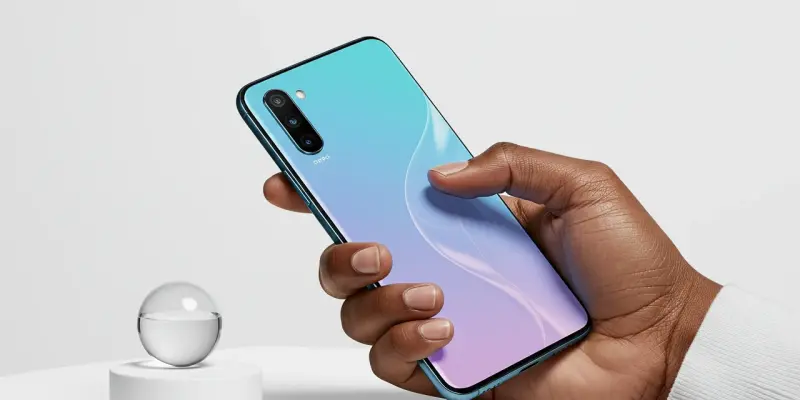
As the tech world anticipates the launch of the Oppo Reno 14 series, set for mid-2025, their potential impact on the Indian smartphone market is a significant point of interest. These devices promise to integrate advanced artificial intelligence capabilities, broadening access to sophisticated technology. Specifically, Google’s Gemini AI is set to enhance user experiences, making these smartphones a formidable contender in the market. The choice of MediaTek’s Dimensity chipsets, including the 8350 for the Reno 14 and the 8450 for the Reno 14 Pro, positions these devices to offer top-notch performance that competes with existing flagship models. Such technological innovations suggest a strategic focus on balancing high-end features with consumer affordability, which could reshape preferences in India’s smartphone segment.
Innovative Features and Performance
The Reno 14 series boasts several standout features that could set a new benchmark in their price category. Users are likely to appreciate significant improvements in photography, facilitated by up to three 50MP rear cameras equipped with optical image stabilization and 3.5x zoom capabilities. These enhancements promise clearer, more vibrant photos, appealing to amateur photographers and social media enthusiasts alike. Further enriching the user experience is the inclusion of 120Hz 1.5K AMOLED displays, offering smoother visuals and faster touch response that could prove vital for gaming and multimedia consumption. Equally impressive is the battery capacity, with a substantial 6,200mAh packed into a remarkably slim design of just 7.48 millimeters. Such compactness, coupled with powerful hardware, emphasizes Oppo’s commitment to delivering portable yet performance-driven solutions to tech-savvy consumers.
Strategic Market Positioning
Oppo’s strategic approach in launching the Reno 14 series in India underscores its ambition to tap into emerging markets by providing premium technology that remains within reach for a broader audience. The inclusion of 50W wireless charging in the Reno 14 Pro, a feature shared with Oppo’s elite Find X8 Ultra, highlights a move towards democratizing much-coveted innovations found in premium devices. Notably, the series’ aesthetic flair—featuring a unique “Mermaid effect” in its color palette—aims to attract style-conscious consumers, offering options beyond mere technical specifications. Industry insights suggest that this timely release in July could position the Oppo Reno 14 as a preferred choice among consumers looking for high-end functionalities at competitive price points. As the landscape evolves, the Reno 14 series may well play a pivotal role in defining how affordability and cutting-edge tech coexist in the fast-paced world of smartphones.