

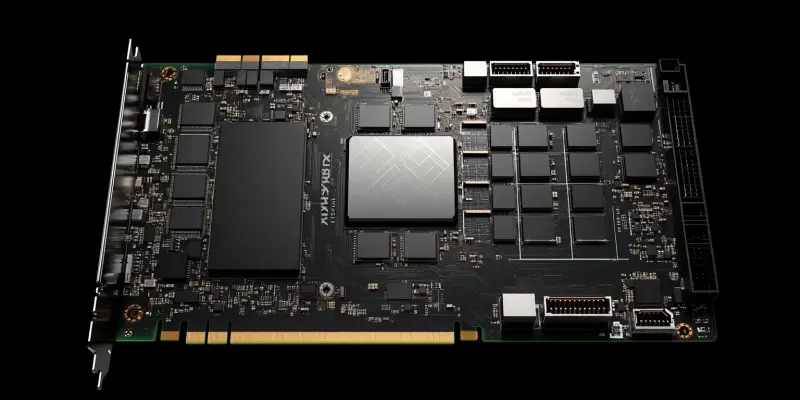
The recent emergence of NVIDIA’s GeForce RTX 5060 Ti on the FurMark database has sparked considerable excitement, hinting at an imminent launch that could significantly impact the GPU market.As leaks suggest, the release is expected by mid-April, specifically around April 16. While an official announcement from NVIDIA remains pending, the anticipation is palpable among gaming enthusiasts and budget-conscious consumers.The RTX 5060 Ti, positioned within the “60-class” series, promises an enhanced gaming experience for those unwilling to shell out for high-end GPUs. This card’s specification places it favorably within the budget segment, poised to offer an impressive balance between cost and performance.
Technical Specifications and Performance
The GeForce RTX 5060 Ti features a 128-bit memory bus and is available in both 16 GB and 8 GB VRAM configurations, catering to different user needs and budget constraints. One of the standout elements of this upcoming GPU is its 28 Gbps GDDR7 memory, which provides a total bandwidth of 448 GB/s.This represents a substantial 55% improvement over its predecessor, the RTX 4060 Ti. For gamers, this translates to smoother performance and potentially better handling of high-graphic-intensive games. Notably, despite FurMark’s limitations as a benchmarking tool, the RTX 5060 Ti’s recorded score of 10,242 points at a peak temperature of 69°C offers a glimpse into its practical capability. With a 180W TDP, it balances power consumption with performance efficiently, appealing to those seeking a robust yet energy-conscious solution.
Market Impact and Consumer Expectations
Pricing is a critical factor in the GPU market, and while exact figures for the RTX 5060 Ti remain speculative, leaks hint at the 16 GB model costing around $499 and the 8 GB version priced at $399. Regardless of the final price, NVIDIA’s strategy seems geared towards delivering high performance at a relatively accessible price point.This approach is expected to resonate well with budget-conscious consumers who have been eagerly awaiting an affordable yet powerful GPU. The increased memory speed and bandwidth enhancements reflect NVIDIA’s commitment to pushing technological boundaries within this segment.The leaks and rumored specifications collectively paint the RTX 5060 Ti as a highly anticipated release, potentially setting new benchmarks for price-to-performance ratios in the budget GPU market.
Future Considerations
The RTX 5060 Ti is expected to feature advanced technologies, making it a substantial upgrade over its predecessors. Its specifications are designed to meet the needs of gamers looking for quality performance without breaking the bank, making it a highly anticipated addition to NVIDIA’s lineup.