

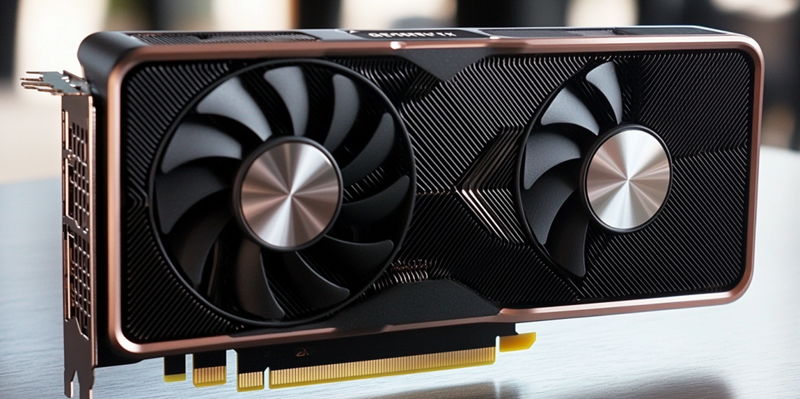
As the technology world eagerly anticipates the release of NVIDIA’s GeForce RTX 50 "Blackwell" GPUs, the question on everyone’s mind is whether these new GPUs will truly revolutionize the PC gaming sector. Historically, each new generation of NVIDIA’s graphics cards has delivered substantial improvements in terms of performance and efficiency, raising expectations that the Blackwell series will follow suit. Suppliers such as Auras Technology are already preparing for what is expected to be a massive surge in demand, a clear indication of the market’s excitement and readiness for the RTX 50 launch.
The significance of the upcoming GPUs is not just anchored in their potential performance capabilities but also in how they are shaping the strategies of key supply chain players. Auras Technology, a critical supplier of cooling components, is anticipating robust interest in the new GPUs across both server and consumer markets. This move hints at a broader trend where technological advancements are driving immediate and diversified market engagements. The anticipation for the RTX 50 series is so intense that components and preparation activities are already gearing up in multiple locations worldwide.
Strategic Movements by Industry Players
In an interesting strategic maneuver, ZOTAC’s parent company, PC Partner, has shifted its operations from Hong Kong to Singapore. This decision is largely seen as a proactive measure to safeguard NVIDIA’s high-end GPUs from potential global sanctions and tariffs. By relocating, PC Partner aims to ensure a steady supply chain and mitigate any risks that could arise from geopolitical tensions. This repositioning is a testament to how significant the RTX 50 release is perceived to be, with companies going to great lengths to ensure they are ready for the market splash it is expected to create.
Further adding to the intrigue, an NVIDIA GeForce RTX 5090 unit was recently spotted at a ZOTAC factory in Indonesia. Initially mistaken for an RTX 4070 Ti, this sighting indicates that the groundwork for the RTX 50 series extends far beyond a single geographic location. It demonstrates the global scale of preparation for the new GPU, involving varied and widespread operational locales. This global readiness underlines the extensive efforts and strategic positioning that companies like PC Partner are undertaking ahead of the official launch.
Anticipated Impact on PC Gaming
As the tech industry eagerly looks forward to the launch of NVIDIA’s GeForce RTX 50 "Blackwell" GPUs, the big question is whether these new graphics cards will truly transform PC gaming. Historically, each new generation of NVIDIA GPUs has brought significant enhancements in performance and efficiency, setting high expectations for the Blackwell series. Companies like Auras Technology are already gearing up for what is predicted to be a considerable spike in demand, highlighting the market’s excitement and preparedness.
The importance of these upcoming GPUs lies not only in their anticipated performance but also in how they influence strategies within the supply chain. Auras Technology, which supplies crucial cooling components, expects strong interest in the new GPUs from both server and consumer markets. This readiness highlights a broader trend of technological advancements driving swift and varied market responses. There’s so much anticipation for the RTX 50 series that preparations and component manufacturing are already underway in various parts of the world, underscoring global readiness for this pivotal release.