

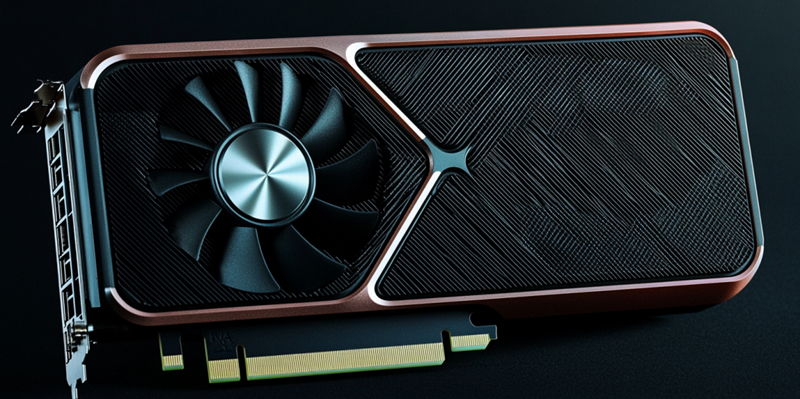
NVIDIA’s latest offering, the Blackwell GB200 NVL72 server racks, has generated significant buzz within the tech industry. Despite the high anticipation surrounding the technological advancements promised by the Blackwell architecture, early shipments have faced notable challenges. Among these is a critical thermal issue that has emerged, raising concerns among industry experts and stakeholders. This situation has come as a surprise, considering NVIDIA’s reputation for cutting-edge innovation and reliability.
The roots of these thermal challenges can be traced back to the fundamental intricacies involved in the development of the Blackwell architecture. Interconnect technology posed initial difficulties that required revisions in production methods, managed by companies like TSMC. In the case of the NVL72 server racks, these units integrate multiple Blackwell interfaces, aiming to form advanced AI servers. However, the thermal issues surfaced, potentially linked to the specific cooling methodologies employed. These problems hold significant implications, given that the NVL72 configurations are integral to NVIDIA’s revenue and play a crucial role in capturing client interest.
NVIDIA’s Response and Collaboration with Cloud Providers
Recognizing the critical nature of the engineering setbacks, NVIDIA has acknowledged these issues as part of the typical development process for groundbreaking technologies. The company is actively collaborating with leading cloud service providers to address the thermal concerns promptly. This collaborative effort underscores the urgency due to its substantial impact on the supply chain and overall product delivery timelines. NVIDIA’s proactive stance in tackling these issues reflects their commitment to maintaining their leadership position in the industry.
A key partner in this endeavor is Dell, which has already started shipping the PowerEdge XE9712 servers. These servers represent the first enterprise-ready units featuring the NVIDIA GB200 NVL72 technology. Despite the setbacks, Dell’s involvement signals a critical step toward mitigating the thermal challenges and ensuring smooth deployment for enterprise clients. The swift action taken by NVIDIA and its partners signals optimism, suggesting that these hurdles, while temporarily disruptive, are on a clear path to resolution.
The stakes are high since these configurations are integral to NVIDIA’s market strategy. Resolution of these issues is essential to maintain client confidence and uphold NVIDIA’s standing in the tech industry.