

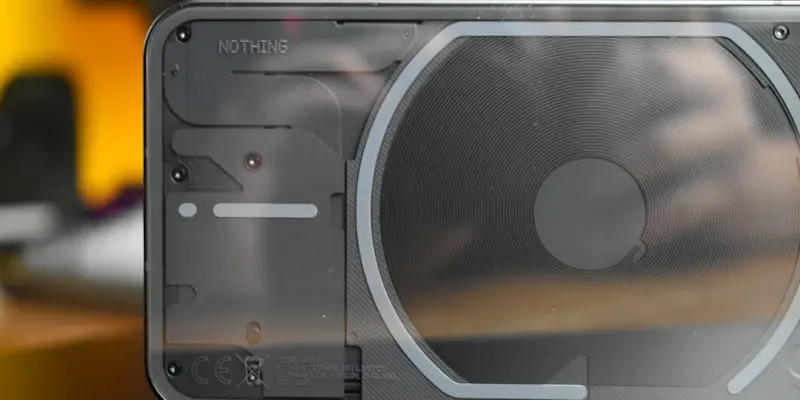
Nothing has launched early access to its Android 15 beta updates for its Phone (2a) Plus and Phone (1) models, featuring the new Nothing OS 3.0 Open Beta. These updates promise a range of enhancements, including new system animations, Shared Widgets, and improved functionality for the Camera Widget. While this rollout underscores Nothing’s dedication to integrating advanced features across its devices, it also comes with potential risks, including instability and data loss.
The inclusion of new system animations aims to provide a smoother and visually pleasing experience for users. Shared Widgets enhance user interaction by enabling easy sharing of widget data across different apps and devices. The Camera Widget improvements are geared towards offering users more functionality and ease of use, which could be particularly appealing to photography enthusiasts.
Despite these promising updates, Nothing has cautioned users about potential instability and data loss that may accompany these beta versions. Such risks are common in early software releases and emphasize the company’s transparency in warning users. In this regard, the updates serve as a double-edged sword: they bring exciting new features but necessitate careful consideration for those who rely heavily on their devices for daily activities.
The company’s decision to support older models like the Phone (1) reflects a broader trend of ensuring product longevity through continuous updates. This approach not only benefits current users but also enhances the brand’s reputation for maintaining a reliable product line. Nonetheless, the availability of updates for older models is a significant factor for consumers considering long-term investments in hardware.
Users have the option to revert to Android 14 if they encounter significant issues with the beta update, although this action is not recommended. Reversion could lead to unforeseen complications and data loss, making it a decision that should not be taken lightly. Therefore, prospective beta testers must weigh the benefits of accessing new features against the potential drawbacks.
In summary, while Nothing’s Android 15 betas provide an exciting glimpse into future capabilities and affirm the company’s commitment to product longevity, users should proceed with caution. The potential for instability and data loss necessitates a careful approach for those who choose to participate in the beta program. The broader trend of supporting older models with new updates marks an encouraging effort in ensuring long-term value and customer satisfaction.