

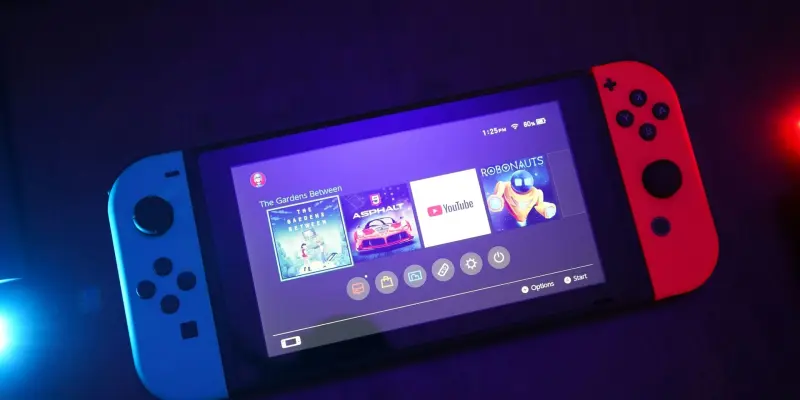
The gaming community was keenly awaiting the release of Nintendo Switch 2, especially after rumors of new features circulated that promised to redefine the gameplay experience. One standout feature is the support for USB mouse input, a departure from its predecessor. This enhancement promises to provide gamers with more precise control, particularly in genres like strategy games that require intricate maneuvers. A revelation was made when a developer from Koei Tecmo demonstrated this capability during a preview of Nobunaga’s Ambition: Awakening Complete Edition on the Switch 2. The design now allows players to seamlessly switch between the traditional Joy-Con 2 controllers and a USB mouse, thus broadening the console’s appeal to different gaming styles. This added flexibility could make it a must-have upgrade for serious gamers seeking heightened command over their in-game actions.
Enhanced Control and Accessibility
Beyond just expanding control options, the Switch 2’s USB mouse support signals Nintendo’s commitment to inclusivity and accessibility in gaming. Offering alternatives to the conventional Joy-Con controllers addresses the diverse needs of players who may find traditional input methods restrictive. The newly introduced USB interface allows users to integrate familiar peripherals, enhancing the comfort and versatility of the gaming experience. It opens doors to innovations such as text-to-speech and live captions in GameChat, which promises immersive participation for all players, including those with disabilities. Inclusion doesn’t just stop there; the continued support for USB keyboards is also indicative of Nintendo’s evolving strategy towards versatile gaming. With the gaming industry progressively moving towards a more inclusive future, these features set an important precedent, aiding in accommodating a broader audience and ensuring that new technological advancements are accessible to everyone.
Anticipated Impact on Market and Consumer Perception
While Nintendo’s advances in hardware and gameplay are impressive, their vision isn’t limited to tech upgrades. The introduction of USB mouse support signifies a strategic move aimed at maintaining market stability amidst global challenges like international tariffs. Critically, the planned launch on June 5 aligns the Switch 2 with ongoing consumer demands, potentially amplifying its presence in the gaming sector. This advancement goes beyond novelty, representing a deliberate effort to boost user experience and manage the delicate interplay between cost and innovation. As industry observers keenly monitor this launch, USB mouse integration could significantly influence perceptions, affecting not only sales but also the legacy of Switch 2 as a device that skillfully combines enhanced features with practical solutions for gamers. As this console enters homes, its impact on the market and the new wave of enthusiasts will become clear, potentially setting the stage for future breakthroughs in gaming technology.