

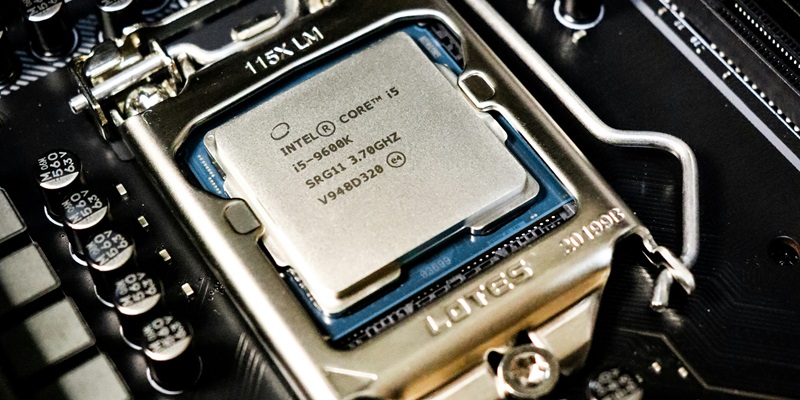
Intel’s upcoming flagship CPU, the Core Ultra 9 285K, heralds the arrival of its Arrow Lake series and introduces a nuanced approach compared to its predecessors. Through various leaks, it has been revealed that this CPU will experience a minor regression in P-core boost clocks relative to the 14th and 13th-generation models. Traditionally, Intel’s strategy has been to push clock frequencies with each new iteration, culminating in a peak of 6.2 GHz with the Core i9-14900KS. However, the Core Ultra 9 285K is expected to have a maximum single-core P-core boost clock of 5.7 GHz and an all-core boost speed of 5.4 GHz. For comparison, the Core i9-14900K and Core i9-13900K achieved 6.0 GHz and 5.8 GHz, respectively. This slight pullback in P-core frequencies raises questions about Intel’s new strategy and whether it can outperform AMD’s latest offerings.
Shifting Strategies in Clock Frequencies
Interestingly, the E-core boost clocks of the Core Ultra 9 285K are reportedly higher than those of previous generations. Single-core turbo is expected to reach 4.7 GHz, with all-core boost at 4.6 GHz, marking an increase of 300 MHz higher than the E-core turbo frequency of the Core i9-14900K and 400 MHz higher than the Core i9-13900K. Despite the regression in P-core frequency, the E-core’s boosted performance might suggest Intel’s strategic pivot towards optimizing efficiency and multi-thread performance. These frequency adjustments indicate a potential shift from a sheer clock speed race to a focus on balanced power use and thermal efficiency. In the era of increased energy consciousness and thermal challenges, this could be a wise move.
Intel’s 13th-gen CPUs, such as the Core i9-13900K, set a high standard with a 5.8 GHz max clock speed, and the i9-13900KS further pushing the boundaries with 6 GHz. However, for the Arrow Lake flagship, the lower P-core frequencies might indicate a shift in architectural design focusing on thermal efficiency or power consumption rather than sheer clock speed. This deviation has sparked interest and speculation among industry followers. Intel’s strategy appears to be a response to growing competition and market demands, especially with AMD’s advancements in multi-core performance. The reduced single-core speed paired with increased multi-core efficiency aims to strike a balance, but whether it will resonate with the consumer and professional markets remains to be seen.
Market Competition and Strategic Adaptation
Although OneRaichu’s leak suggests a reduction in P-core frequencies, there is always the possibility for the final specs to differ. Enthusiasts and industry experts are keenly anticipating Intel’s official specifications for the Core Ultra 9 285K, which are expected to be announced in October. This timeline provides just enough space for Intel to finalize and potentially tweak the performance indicators as leaked specifications often undergo adjustments. However, what remains consistent is Intel’s agile response to competition, especially from AMD’s Ryzen 9 9950X and 7950X, which matches the Core Ultra 9 285K’s reported P-core boost frequency. The battle for supremacy in the high-performance CPU market is far from over, and each brand’s strategic pivots will play a crucial role in the coming months.
AMD’s Ryzen series has been a formidable competitor, often leading the market in multi-core performance and power efficiency. With the Ryzen 9 9950X and 7950X clocked to match the reported frequencies of Intel’s Core Ultra 9 285K, the competition becomes even more intense. Intel’s adjusted strategy in the Arrow Lake series is intriguing and suggests a larger narrative of evolving priorities. Balancing core performance and power efficiency appears to be a tactical choice aimed at addressing current technological and ecological concerns. Whether this approach will enable Intel to outshine AMD depends on various factors including real-world performance benchmarks, pricing, and consumer reception.
Balancing Performance and Market Strategy
OneRaichu’s leak hints at reduced P-core frequencies, but the final specs might differ. Enthusiasts and industry experts eagerly await Intel’s official specs for the Core Ultra 9 285K, expected in October. This timeframe gives Intel enough room to finalize and potentially refine performance indicators as leaked specs often change. What remains consistent, however, is Intel’s quick adaptation to competition, especially from AMD’s Ryzen 9 9950X and 7950X, which match the Core Ultra 9 285K’s reported P-core boost frequencies. The race for dominance in the high-performance CPU market continues, with both brands’ strategic shifts playing a crucial role in the upcoming months.
AMD’s Ryzen series, a formidable rival, often leads in multi-core performance and power efficiency. With the Ryzen 9 9950X and 7950X clocked to match Intel’s Core Ultra 9 285K, competition heats up. Intel’s new approach in the Arrow Lake series reveals a shift in priorities. Balancing core performance and power efficiency seems like a tactical move to address current technological and environmental concerns. Whether this strategy will allow Intel to surpass AMD depends on multiple factors, including real-world benchmarks, pricing, and consumer feedback.