

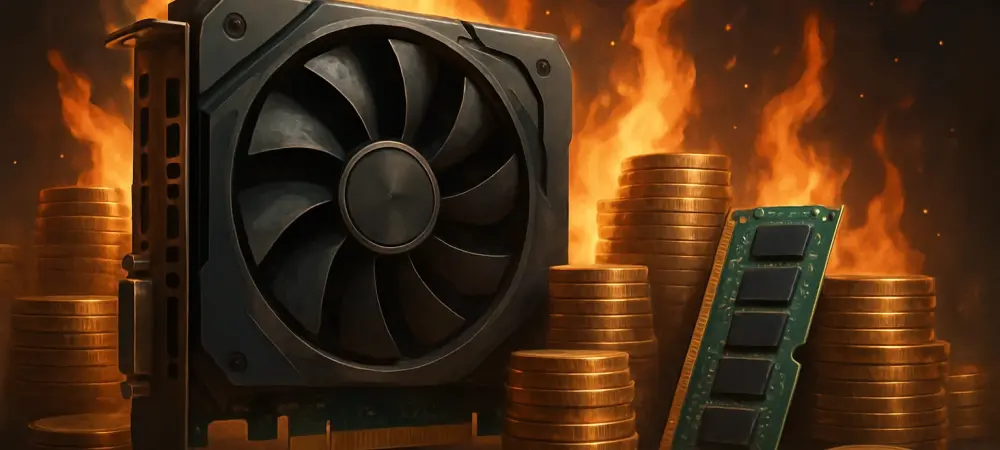
I’m thrilled to sit down with Dominic Jainy, a seasoned IT professional whose deep expertise in artificial intelligence, machine learning, and blockchain also extends to a keen understanding of hardware trends. With the tech world abuzz about potential GPU price hikes from NVIDIA and AMD due to rising DRAM costs, Dominic offers a unique perspective on how these market shifts could impact the industry and consumers alike. In our conversation, we explore the root causes of DRAM shortages, their specific effects on graphics cards, the timeline for price changes, and how companies and consumers might respond to these challenges.
Can you walk us through what’s driving the current DRAM price increases in the market?
Absolutely. The DRAM market is under significant pressure right now due to a combination of supply chain disruptions and soaring demand. Production capacity hasn’t kept pace with the needs of various sectors, from consumer electronics to data centers. Prices for DRAM chips have nearly doubled since their last listing, with reports showing increases of at least 90%. This isn’t just a minor blip; it’s a substantial shift driven by shortages of raw materials, manufacturing bottlenecks, and a surge in demand for high-performance memory in everything from PCs to GPUs.
How do these DRAM shortages specifically affect the GPU industry?
DRAM is a critical component in graphics cards, particularly types like GDDR6 and GDDR7, which are designed for high-speed data processing. These memory solutions are essential for handling the massive workloads of modern gaming and professional visualization tasks. When DRAM supply tightens, GPU manufacturers face higher procurement costs and potential delays in production. This directly impacts the cost of graphics cards, as memory is a significant part of their bill of materials. NVIDIA, using newer GDDR7, and AMD, relying on GDDR6, both feel the pinch, though their exposure varies based on the specific memory type and supplier contracts.
What have major GPU makers like NVIDIA and AMD indicated about these rising DRAM costs?
Both companies have acknowledged that the procurement costs for GDDR DRAM are climbing. While they haven’t made official announcements about immediate price hikes for consumers, they’ve confirmed that the cost of memory chips is a growing concern. There’s a clear signal that these increased costs will eventually trickle down to the end user, though the exact timing remains undisclosed. It’s a delicate balance for them—absorbing costs temporarily to maintain market share versus passing them on sooner to protect margins.
Based on current rumors, when do you anticipate we might see GPU prices start to rise?
The speculation points to early 2026, likely in the first quarter, with some chatter about a possible jump as early as December 2025. I think January 2026 is a safer bet, as companies often align price adjustments with new fiscal periods or product cycles. However, if DRAM shortages worsen or if inventory levels drop faster than expected, we could see NVIDIA or AMD push for an earlier increase. External factors like geopolitical tensions or further supply chain hiccups could also accelerate the timeline.
How do you think consumers will react if GPU prices increase after recently dropping below MSRP?
There’s likely to be some frustration, especially among gamers who’ve just started enjoying more accessible pricing after years of inflated costs due to mining booms and pandemics. When prices dipped below MSRP recently, it felt like a win for consumers. A sudden hike could sour that sentiment, potentially dampening demand for gaming GPUs. On the other hand, professional and workstation segments might be less affected, as those buyers often prioritize performance over price and have budgets to absorb the increase.
Do you see any indications that DRAM issues might influence product launch strategies for NVIDIA or AMD?
There’s definitely some buzz about this. For instance, there are reports suggesting NVIDIA might have tweaked the launch plans for its GeForce RTX 50 “SUPER” series due to these memory constraints. When costs rise and supply is uncertain, companies often reassess priorities. We could see a shift in focus toward more profitable segments like PRO or workstation cards, where margins are higher and price sensitivity is lower compared to the gaming market. It’s a strategic move to navigate the shortages without taking a big hit on revenue.
What options does the industry have to mitigate the impact of DRAM shortages on GPU pricing?
There are a few avenues to explore, though none are quick fixes. GPU makers could look into alternative memory technologies or optimize designs to reduce DRAM dependency, but that’s a long-term play requiring R&D investment. More immediately, they might negotiate bulk deals or diversify suppliers to secure better pricing. On the supply side, DRAM manufacturers could ramp up production, but that’s constrained by factory capacity and raw material availability. Collaboration across the supply chain will be key to stabilizing costs without fully burdening consumers.
What is your forecast for the GPU market in the coming years given these DRAM challenges?
I think we’re in for a period of volatility over the next couple of years. If DRAM shortages persist, GPU prices will likely trend upward, at least in the short term, which could reshape buying patterns and push some consumers toward older or mid-range models. However, I’m optimistic that technological advancements and potential expansions in DRAM production capacity could ease the pressure by late 2026 or 2027. We might also see GPU makers innovate around memory usage to lessen reliance on scarce resources. The big question is how quickly the industry can adapt to these constraints while balancing consumer expectations and profitability.