

A commitment to a ten-year update cycle underscores a strategic focus on the longevity and long-term hardware reliability of the Googlebook ecosystem. This paradigm shift, arriving in 2026, marks the end of the era where laptops were merely portals to the internet and the beginning of a period where the hardware itself is an intelligent collaborator. By aligning with industry titans such as Acer, ASUS, Dell, HP, and Lenovo, Google has managed to sidestep the traditional limitations of high-end portables. This initiative does not simply introduce a new product line but fundamentally reimagines the relationship between the operating system and the silicon it inhabits. The Googlebook category positions Gemini, the most advanced iteration of Google’s artificial intelligence, at the very center of the user experience. This convergence of hardware and software aims to capture the premium market segment by offering a sophisticated alternative that leverages the combined strengths of the established Android and ChromeOS platforms.
Hardware Innovation: Catering to Diverse Professional Needs
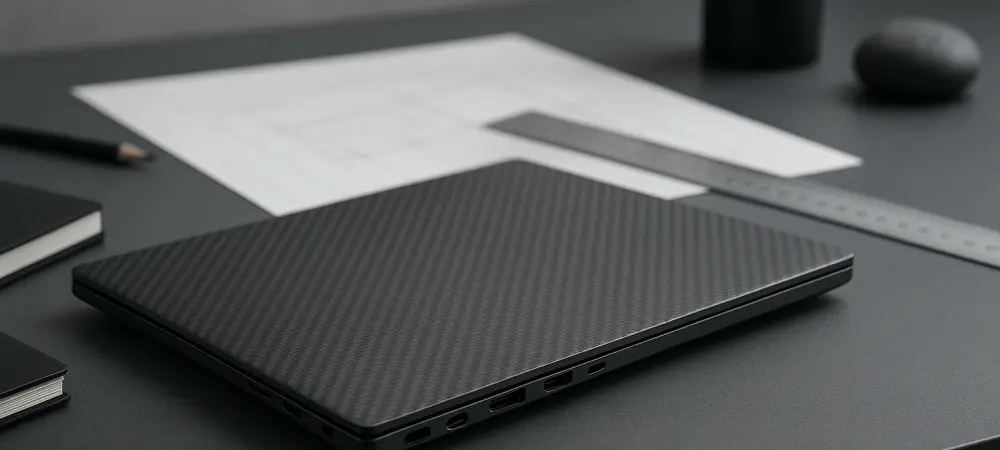
The inaugural wave of Googlebooks showcases a remarkably diverse range of physical designs, ensuring that every professional niche finds a suitable companion for their daily tasks. Acer has introduced a 14-inch model that functions as a versatile 2-in-1 convertible, allowing users to pivot between a standard laptop mode and a tablet interface for tactile, stylus-driven work. This flexibility is particularly valuable for educators and creative directors who need to sketch ideas while retaining the processing power of a full-sized machine. In stark contrast, the ASUS entry focuses on extreme portability, weighing in at a mere 2.2 pounds without sacrificing essential physical connectivity. By including full-sized HDMI ports and multiple expansion options, ASUS addresses the needs of business travelers who frequently navigate presentation environments. Both manufacturers have utilized high-grade materials like magnesium alloy and carbon fiber to ensure that these lightweight frames remain durable.
Dell and HP have focused their efforts on meeting the demands of the corporate executive and the security-conscious professional through refined aesthetics and robust protection. Dell’s 14-inch Googlebook draws heavy inspiration from its premium design language, incorporating a minimalist chassis with a high-precision fingerprint reader for secure, frictionless access. HP takes this further by being the only manufacturer in the current lineup to offer a dual-authentication system featuring both facial recognition and biometric sensors. Additionally, HP’s hardware supports up to 1TB of local storage, which is critical for professionals working with large datasets or high-resolution video content. For those who prioritize screen real estate, Lenovo has introduced a 15.3-inch model that provides the expansive canvas necessary for data analysts and multitaskers. These devices feature stunning 2.8K touch-enabled panels and sophisticated audio systems with up to six speakers for immersive clarity.
Core Intelligence: Gemini Integration and Ecosystem Synergy
At the heart of every device lies Gemini Intelligence, a deep-seated AI layer that functions as the nervous system of the entire operating system. Unlike previous attempts at adding AI assistants as external applications, Gemini is integrated into the core processes of the machine, enabling features like the Magic Pointer. This tool allows a user to interact with any text, image, or video stream visible on the screen to trigger immediate actions. By simply highlighting an area, the system can generate concise summaries, perform real-time translations across dozens of languages, or identify latent security threats within incoming messages. This contextual awareness means the laptop understands what the user is looking at and can anticipate their next move. This transformation from a passive tool into an active assistant represents a fundamental change in how humans interface with digital data, making the hardware feel remarkably responsive to the specific nuances of professional workflows.
Beyond the core intelligence, the Googlebook environment offers specialized tools like Rambler and seamless Android integration to maximize user output. Rambler functions as a sophisticated voice-to-text interface that organizes unstructured speech into professional outlines, significantly reducing the burden of manual note-taking. This capability is complemented by the Files feature, which allows the laptop to treat an Android smartphone’s internal storage as if it were an attached local drive. This eliminates the friction of traditional cloud transfers, allowing for the instantaneous movement of assets between mobile and desktop devices. Furthermore, the Cast My Apps functionality allows users to project and control mobile applications directly on the high-resolution laptop screen. This interconnectedness ensures that the transition between different environments is instantaneous, supporting the needs of a modern workforce that frequently moves between devices throughout the work day.
Strategic Impact: Technical Tools and Market Positioning
Technical professionals and software engineers find significant value in the Googlebook’s specialized toolkit, which includes a desktop-grade version of the Chrome browser and a full-featured terminal. This combination allows for advanced web development and system administration tasks that were previously difficult to perform on lighter operating systems. The inclusion of the Google Antigravity suite provides a dedicated environment for building and testing AI models directly on the local hardware. By leveraging the integrated Gemini architecture, developers can accelerate their own machine learning projects using the same tools that power the system itself. This makes the Googlebook a primary choice for those working at the cutting edge of software innovation. The availability of a robust command-line interface ensures that power users have the granular control they require for complex scripting and deployment, while the silicon handles the computational demands of modern coding.
The introduction of the Googlebook established a new benchmark for how artificial intelligence could be woven into the fabric of everyday hardware. Industry observers noted that the transition from general-purpose machines to AI-integrated systems changed the way professionals approached their daily workflows. By prioritizing longevity through a ten-year update cycle, the manufacturers demonstrated a commitment to reducing electronic waste and maximizing the return on investment for users. This strategic move forced competitors to reconsider their own hardware lifecycles and software integration strategies. Organizations that adopted these devices early found significant improvements in cross-device efficiency and data security. To maintain this momentum, stakeholders should now prioritize the standardization of AI-hardware protocols to ensure cross-brand compatibility. Hardware designers might focus on further miniaturizing neural processing units to bring these capabilities to even more portable form factors.