

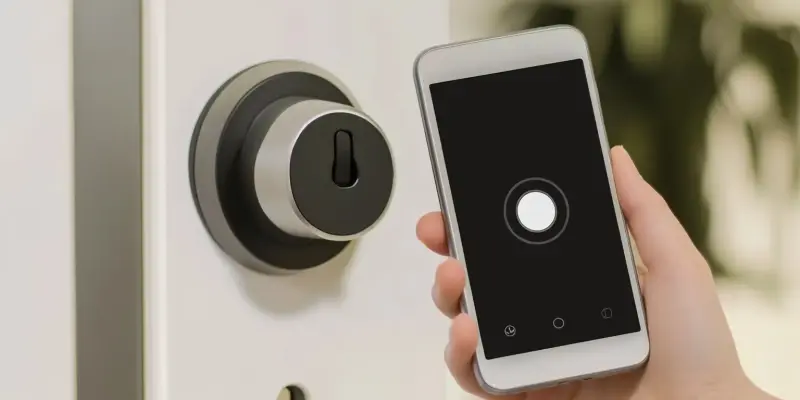
The growing landscape of digital access solutions is about to witness a significant transformation with the integration of Aliro into Google Wallet. This development not only highlights the strides made in smart lock technology but also the concerted efforts of industry giants. Aliro’s introduction by the Connectivity Standards Alliance (CSA) brings hopes of a more streamlined and secure access control system, ultimately making mobile devices an even more integral part of daily life. With backing from some of the biggest names in technology, there is a strong consensus that Aliro has the potential to become the overarching standard for smart locks and digital access solutions.
The Emergence of Aliro
Aliro, unveiled by the Connectivity Standards Alliance (CSA) in November 2023, is poised to redefine how we approach mobile device interoperability. As a communication protocol, Aliro ensures that integrating various devices and access card readers is seamless and straightforward. The CSA, already known for its successful Matter smart home standard, has designed Aliro to reduce complexities and achieve interoperability certification for mobile devices and access readers. This initiative represents a significant step forward in simplifying digital access technologies.
What sets Aliro apart is its robust backing from key industry players such as Google, Apple, Samsung, and Qualcomm. Their support indicates a consensus within the tech community about Aliro’s potential to become the overarching standard for smart locks and digital access solutions. The collective endorsement from these technology giants underscores Aliro’s relevance and sets the stage for its widespread adoption. By promoting principles like simplicity, flexibility, security, and interoperability, Aliro is geared to transform the digital access landscape in a meaningful way.
Google Wallet Integration
The integration of Aliro into Google Wallet represents a significant leap forward for Android and Wear OS users. This feature will allow them to unlock Aliro-compatible access readers via NFC, offering a glimpse into the future of digital access. By incorporating Aliro within Google Wallet, users can enjoy a more seamless and secure experience, transforming their mobile devices into essential tools for accessing various points.
By embedding Aliro within Google Wallet, users will experience a streamlined, secure process of unlocking various access points, effectively making their mobile devices even more indispensable in their daily routines. This development demonstrates a clear shift towards mobile-first solutions that simplify access control. The integration also makes it possible for users to manage access credentials directly from their smartphones, eliminating the need for physical keys or cards. This shift has the potential to enhance convenience and security, fostering a more efficient way of managing electronic access.
Core Principles Behind Aliro
Aliro is built on four foundational principles: simplicity, flexibility, security, and interoperability. These principles are crucial in ensuring that the standard can be widely adopted and integrated across different systems. The emphasis on simplicity means that system owners and installers will face fewer complexities, leading to more efficient installations and reduced troubleshooting. This focus on user-friendly design ensures that even those with limited technical expertise can effectively manage and maintain the system.
Flexibility ensures Aliro can adapt to various transmission technologies, making it versatile and applicable to numerous scenarios. This adaptability allows Aliro to be deployed in diverse environments, from residential buildings to large commercial properties. Security, a cornerstone of the Aliro ecosystem, relies on advanced cryptography for encrypted communication and credential data. This emphasis on robust security protocols heightens overall trust and reliability in the system, protecting users’ sensitive information from unauthorized access and potential breaches.
Security and Interoperability
Security remains a cornerstone of the Aliro ecosystem. The protocol’s use of advanced cryptography for encrypted communication and credential data enhances overall trust and reliability. Measures like encrypted credential storage and secure data transmission protect users from potential cyber threats and unauthorized access, making Aliro a highly secure solution for digital access control. The advanced security protocols incorporated into Aliro ensure that only authorized users can gain access to controlled areas, reinforcing user confidence in the system’s ability to safeguard their information effectively.
Meanwhile, interoperability ensures that devices from different manufacturers can interact seamlessly. This eliminates barriers to innovation, allowing the rapid adoption of mobile devices as digital keys and fostering a more integrated user experience. Aliro’s commitment to interoperability means that users are not confined to a single brand or ecosystem, enhancing the flexibility and compatibility of their digital access solutions. By promoting open standards, Aliro encourages a broader range of devices and systems to work together cohesively, streamlining the user experience and enabling easier adoption of new technologies.
Industry-Wide Collaboration
Aliro’s development showcases an unprecedented level of industry-wide collaboration. With nearly 200 companies contributing their expertise, the Connectivity Standards Alliance has spearheaded an initiative that stands to benefit a vast array of stakeholders. This collective effort highlights the importance of cooperation in advancing technology and expanding the potential applications of digital access solutions. The extensive participation from various industry leaders underscores the commitment to developing a robust and universally accepted standard.
This collective effort underscores a shift towards open standards, similar to the Matter smart home standard, aiming to simplify the user experience and promote widespread adoption of interoperable technologies. The adoption of open standards facilitates greater interoperability and ease of integration, ultimately leading to a more cohesive ecosystem of interconnected devices. By fostering collaboration among leading technology companies, Aliro sets a precedent for future innovations in digital access control, ensuring that advancements are driven by a unified vision.
The Future of Digital Access
The evolving field of digital access solutions is on the brink of a significant change with the integration of Aliro into Google Wallet. This advancement not only underscores the progress made in smart lock technology but also the collaborative efforts of leading industry players. Aliro, introduced by the Connectivity Standards Alliance (CSA), holds the promise of creating a more streamlined and secure access control system. This development aims to make mobile devices even more essential in everyday life. Supported by some of the major names in technology, there is a strong belief that Aliro could emerge as the key standard for smart locks and digital access systems. Such an integration indicates a future where digital and physical security seamlessly blend, ensuring user convenience without compromising safety. The ongoing support from tech giants hints at a widespread adoption that could revolutionize how we think about access control, making Aliro a potential game changer in the realm of digital security.