

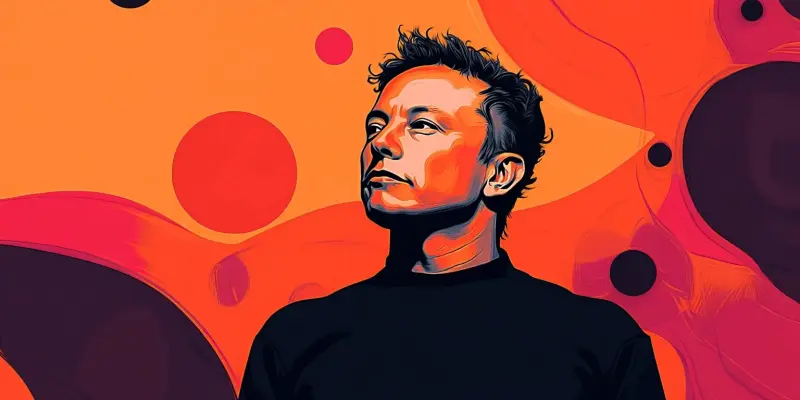
Elon Musk’s recent $97.4 billion bid to acquire OpenAI has sent ripples throughout the technology and artificial intelligence communities, sparking intense debate over the potential consequences of such a monumental move. Founded in 2015 by Musk alongside Sam Altman and other notable figures, OpenAI was initially conceived as a nonprofit organization dedicated to advancing digital intelligence for the benefit of humanity. However, the organization’s transition to a for-profit entity in recent years, especially following its high-profile partnership with Microsoft, has led to significant changes in its mission and approach. Musk’s bid is widely seen as an attempt to reverse this shift and return OpenAI to its original purpose—or possibly to leverage the company’s cutting-edge technology for his own AI projects, such as xAI.
Musk’s Vision for OpenAI’s Mission
The primary tension surrounding Musk’s bid lies in the difference between his vision for OpenAI and the current direction the organization is pursuing. Musk has been vocal about his dissatisfaction with OpenAI’s recent transformations, critiquing its for-profit orientation and its partnership with Microsoft. He has argued that these changes have diverted the organization away from its original mission: to ensure that artificial intelligence benefits all of humanity. By presenting such a substantial bid, Musk seems to be signaling his desire to realign OpenAI with its foundational principles—or potentially harness its advancements to further his own ambitions in the field of AI.
While Musk is lauded for his groundbreaking work with Tesla and SpaceX, his interest in AI and the significant financial resources he is willing to deploy have both fans and critics. Some see this bid as a logical extension of his commitment to advancing technology for the greater good. Others, however, are more skeptical, fearing that Musk’s control over OpenAI might unduly influence its research priorities, possibly prioritizing profit or personal gain over public interest. Given Musk’s history of pushing the boundaries in various industries, his involvement in AI research and development could lead to uncharted territories with both positive and negative implications.
Responses from OpenAI’s Leadership
OpenAI’s current leadership has been unambiguous in their response to Musk’s bid. CEO Sam Altman and the OpenAI board have unanimously declined the offer, arguing that it aims more to destabilize competitive entities than to further AI for the common good. Altman’s swift and dismissive reply to Musk’s proposal underscores the deep-seated concerns within OpenAI’s leadership about the ramifications of a potential takeover. They believe that maintaining the current trajectory of the organization is essential for ensuring that its AI developments align with broader societal benefits, rather than serving the interests of a single influential individual.
The outright rejection of Musk’s bid by OpenAI’s leadership has not only highlighted internal disagreements but also raised questions about the future direction of AI research under different leadership philosophies. The clash between Altman and Musk vividly illustrates the broader industry debate about the optimal path forward for AI. Should AI’s development be spearheaded by a conglomerate with established tech partnerships, or should it return to a more idealistic, mission-driven model, potentially under the stewardship of visionary individuals like Musk? This question continues to fuel discussions within the field, with stakeholders passionately defending both sides.
Ethical and Governance Implications
One of the most contentious aspects of Musk’s bid for OpenAI revolves around ethical and governance concerns. Critics worry that consolidating AI technology under the control of a single, wealthy individual could distort ethical considerations, privacy issues, and regulatory compliance. This monopolistic tendency may stifle the collaborative spirit that has characterized much of AI research to date, transforming it into a field dominated by a few key players rather than a diverse array of contributors. Musk’s history of challenging norms and regulatory frameworks further exacerbates these concerns, raising fears that ethical safeguards could be compromised under his leadership.
Balanced against these worries, however, is the argument that Musk’s intervention might serve as a catalyst for crucial changes in the AI industry. His potential takeover bid could prompt a reexamination of the governance structures within AI companies, possibly leading to the establishment of more rigorous regulations designed to prevent monopolistic control. This could ultimately benefit the industry by ensuring greater oversight, fostering a renewal of commitment to ethical principles, and emphasizing the need for balanced, democratic participation in AI research and development. As the debate continues to unfold, the industry watches closely, weighing both the risks and potential benefits of Musk’s audacious move.
Future Considerations for AI Research
The primary tension regarding Elon Musk’s bid stems from differing visions for OpenAI. Musk has openly criticized the organization’s recent shifts, specifically its move to a for-profit model and its partnership with Microsoft. He argues these changes diverge from OpenAI’s original mission of making artificial intelligence beneficial for all humanity. By making such a significant offer, Musk appears intent on steering OpenAI back to its core principles—or possibly using its advancements to serve his own AI ambitions.
Musk, celebrated for his innovations with Tesla and SpaceX, draws mixed reactions with his AI interests and substantial financial commitments. Fans view this bid as a natural extension of his drive to push technology forward for the common good. Critics, however, worry that Musk’s control over OpenAI might shift its research focus, emphasizing profit or personal interests over public benefits. Considering Musk’s track record of pushing industry limits, his influence on AI development could lead to unprecedented outcomes, both promising and concerning.