

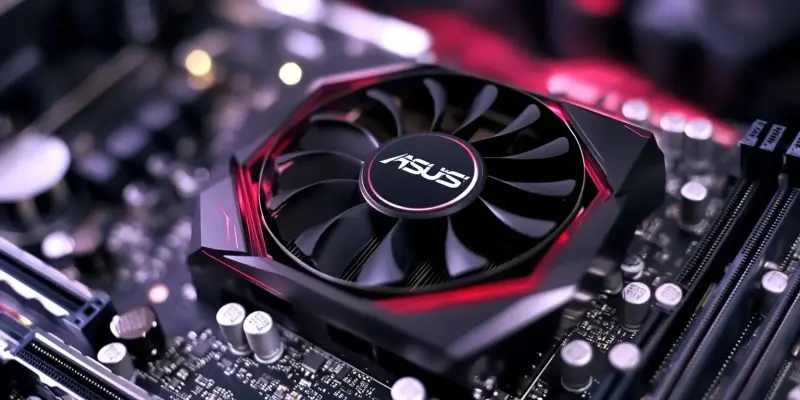
In a recent development, ASUS has announced its commitment to compensating users for any damage to their GPUs resulting from using its Quick Release “Q-Release” system on 800-series motherboards. This system was specifically designed to allow users to detach their graphics cards without manually pressing the button on the PCI-E x16 slot. However, users have reported that the system has caused significant damage to the GPUs’ PCI-E interfaces. Initially, ASUS had claimed that the mechanism could only result in minor scratches or wear and tear. Yet now, they have assumed full responsibility for any damage and extended their compensation plan to include GPUs from other vendors.
Comprehensive Support and Warranty Assurance
ASUS Guarantees Warranty Safety
ASUS has actively communicated with multiple GPU vendors to ensure that any damage resulting from the use of its Q-Release mechanism will not void the warranty of the affected graphics cards. The company’s official statement aims to offer peace of mind support to users facing issues with their graphics cards. This includes providing assistance in communicating with different GPU brands and offering compensation if the appearance or resale value of the GPU has been compromised.
The proactive approach taken by ASUS in safeguarding warranties is a crucial step in mitigating user concerns. By ensuring that warranties remain intact, ASUS is reasserting its commitment to customer satisfaction and reliability. The assistance in communicating with GPU brands further alleviates the burden on users who may be facing difficulties due to the damage. Compensation regarding the appearance and resale value also highlights ASUS’s recognition of the broader implications such damage can have on its customers’ investments.
Responding to User Concerns
Despite ASUS’s assurance that the damage is likely due to incorrect use of the Q-Release mechanism, the company has updated its instructions on the proper use of the system. They argue that the metal shrapnel in the PCI-E x16 slot is not sharp enough to cause the significant damage reported by users. However, the decision to provide a comprehensive support framework regardless of these assertions demonstrates a proactive and customer-focused approach.
By releasing updated guidance and instructions for Q-Release mechanism use, ASUS aims to prevent further complications and ensure proper utilization of their products. This move reflects a broader strategy to educate users while simultaneously taking responsibility for any inadvertent damage. The inclusion of all motherboard models equipped with Q-Release, ranging from Intel’s Z890, B860, to AMD’s X870E/X870, B850 chipset motherboards, showcases ASUS’s commitment to transparency and user support.
Commitment to Customer Satisfaction
ASUS has maintained transparent communication with its customer base regarding the Q-Release system and potential GPU damage. This approach not only fosters trust but also reinforces the company’s accountability. By acknowledging the issue and promptly addressing user concerns, ASUS aims to rebuild and maintain customer confidence.
The inclusion of GPUs from various vendors under the compensation plan further underscores ASUS’s focus on comprehensive user support. The company’s willingness to address issues beyond its proprietary products emphasizes its dedication to maintaining a satisfactory user experience across the board. Transparency in communication and active problem-solving are key elements in restoring user trust and ensuring brand loyalty.