

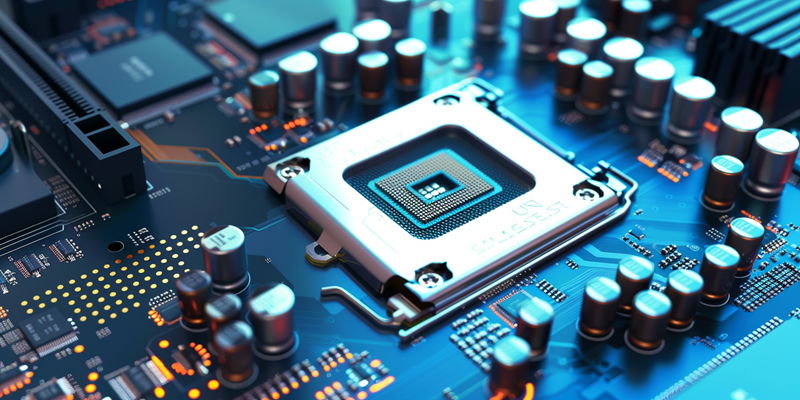
The tides in the Windows PC market may be shifting as Qualcomm sets its sights high with its ARM-based Snapdragon processors. The company, alongside the CEO of Arm, has suggested that these processors could command a significant market share in the coming years due to advancements in AI and new computing paradigms.
The Current Landscape of the PC Market
Qualcomm’s Bold Predictions
Qualcomm and Arm believe that Snapdragon processors hold the potential to revolutionize the PC market. They claim that these chips will power up to half of all Windows PCs within the next five years, a formidable challenge to the current dominance of x86 processors by AMD and Intel. This prediction hinges on the Snapdragon’s cutting-edge capabilities and the shifting demands of modern computing, which increasingly prioritize energy efficiency and mobile integration.
Beyond just the hardware itself, Qualcomm’s confidence is fueled by broader trends in the industry. As computing becomes more intertwined with artificial intelligence and machine learning, the architectural benefits of ARM chips, like the ones in Qualcomm’s Snapdragon processors, could become more pronounced, providing them a competitive edge in a market that’s rapidly evolving.
The Rise of AI in Computing
The introduction of innovative computing concepts, such as AI-integrated Copilot+ PCs, is expected to accelerate the adoption of ARM-based processors. Snapdragons, with their Neural Processing Units (NPUs), are positioned as the go-to chips for these advanced features. The promise of AI is not just in computational power but in enhancing user experiences with unprecedented convenience and capabilities, which could be a major driver in consumer adoption.
Qualcomm’s vision of computing’s future is one where the PC is not just a tool but a proactive assistant. The on-device AI capabilities of Snapdragon processors are anticipated to unlock new experiences for users. By handling complex tasks and predicting user needs, these AI-enhanced PCs could redefine productivity and computing norms, setting the stage for Qualcomm’s rise in the market.
Key Drivers Behind Snapdragon’s Anticipated Growth
Advancements in AI and Hardware Integration
Qualcomm’s Snapdragon chips are uniquely equipped to handle the upcoming wave of AI-driven functions thanks to their built-in NPUs. This technological edge could prove vital in their quest to overtake traditional x86 processors. The integration of AI into the fabric of computing is not a distant future—it’s here, opening fresh avenues for growth and innovation for companies like Qualcomm.
Snapdragon processors are already known for their presence in mobile devices, where efficiency and performance are paramount. Transferring this legacy to PCs could potentially give Qualcomm a strong footing in a market keen on reimagining the role of personal computers. And with AI as the ace up their sleeve, Qualcomm’s bet on the Snapdragon’s success seems more incisive than speculative.
OEM Confidence in ARM-based PCs
Conversations with Original Equipment Manufacturers (OEMs) suggest a bright future for ARM-based Windows PCs, with some projecting that sales might reach or even exceed 50% of their total PC market share in as little as three years. This OEM confidence is no small matter; it indicates a shift in production strategies and a belief in ARM’s viability that could influence consumer choices.
The burgeoning interest from OEMs hints at a significant transformation in computing preferences. They are preparing for a marketplace where efficiency, connectivity, and user-friendly interfaces dictated by the capabilities of Snapdragon processors are the norm rather than the exception. If this optimism translates into product offerings, it could catalyze a rally towards ARM-based PCs across the industry.
Challenging the Status Quo
Overcoming the Incumbent Titans
Intel and AMD are not standing idly by. Both companies are actively developing their own NPUs for the emerging Copilot+ PC market. Qualcomm must consistently innovate to maintain its competitive advantage. It’s a strategic high-stakes game where the prize is leadership in a paradigm-shifting computing era.
However, to position the Snapdragon at the forefront, Qualcomm will need to keep pushing the envelope of technological innovation. They are up against well-established companies with strong market presences and loyal consumer bases. For Qualcomm to carve out its space, it will have to demonstrate why its technology is not just different, but definitively superior.
Addressing Compatibility and Performance Hurdles
To dethrone the reigning x86 processors, Qualcomm needs to ensure their ARM chips provide seamless software compatibility and maintain the advantages in battery life, all while delivering comparable, if not superior, performance. This is a multifaceted challenge, with both technical and consumer perception obstacles to overcome.
One of their primary hurdles will be overcoming the legacy of software originally designed for x86 architecture. Ensuring that these applications run smoothly on ARM-based systems through native development or effective emulation is crucial. Additionally, consumers and professionals alike have come to expect long battery life and seamless performance – standards that Qualcomm’s Snapdragons must meet or exceed to win over the market.
The Future Outlook
Maintaining Technological Leadership
The success of Snapdragon processors in the PC market hinges on Qualcomm’s ability to stay ahead in NPU technology and address the existing challenges related to software emulation in ARM-based systems. As the boundaries of what’s possible continue to expand, maintaining a lead in innovation will be crucial for Qualcomm to turn its vision into reality.
Continued investment in R&D and strategic partnerships will be imperative for Qualcomm. To remain at the forefront, they will not only need to keep their hardware cutting-edge but also foster an ecosystem in which their technology can thrive – from software developers to final consumers. This concerted effort could very well change the face of computing as we know it.
Consumer Reception and Market Dynamics
Qualcomm is eyeing a major shake-up in the Windows PC arena as its ARM-based Snapdragon chips start claiming their territory. Teaming up with Arm’s head honcho, the company has hinted at a bright future for its processors, thanks to cutting-edge AI breakthroughs and emerging computing trends. With these innovations, Snapdragon chips are poised to capture a sizable slice of the market in the years ahead. This ambition marks a potential shift in the balance of power within the PC industry, as Qualcomm’s ARM processors aim to challenge the status quo with new technology that enhances performance and efficiency. It’s a move that could reshape what we expect from our computers, leveraging AI to bring about a more adaptable and intelligent computing experience. This transition isn’t just about hardware—it’s about redefining the PC market itself.